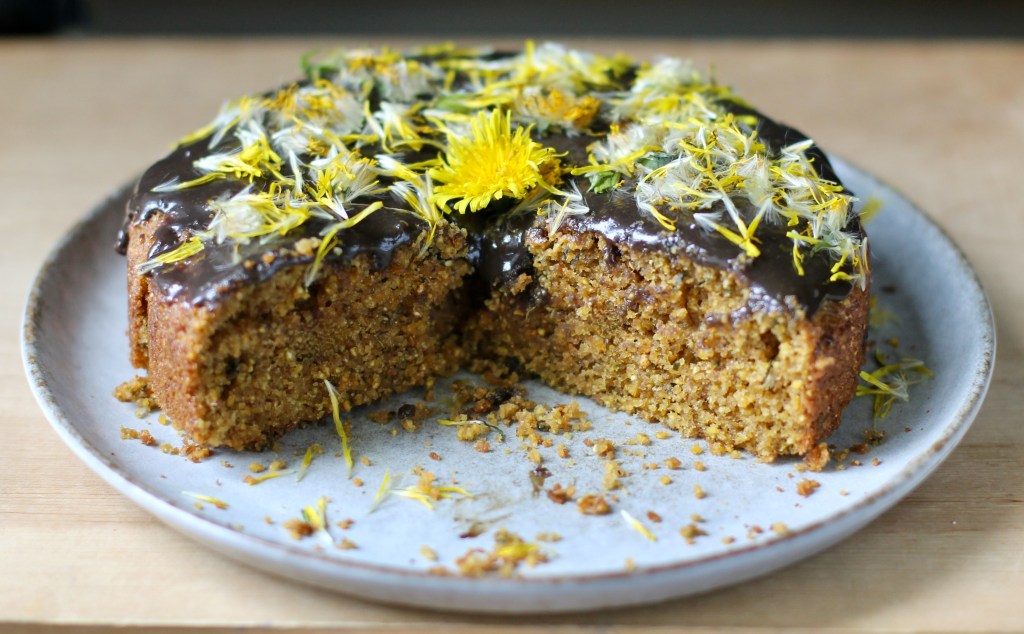
Lemony Corn Cake with Foraged Dandelion flowers

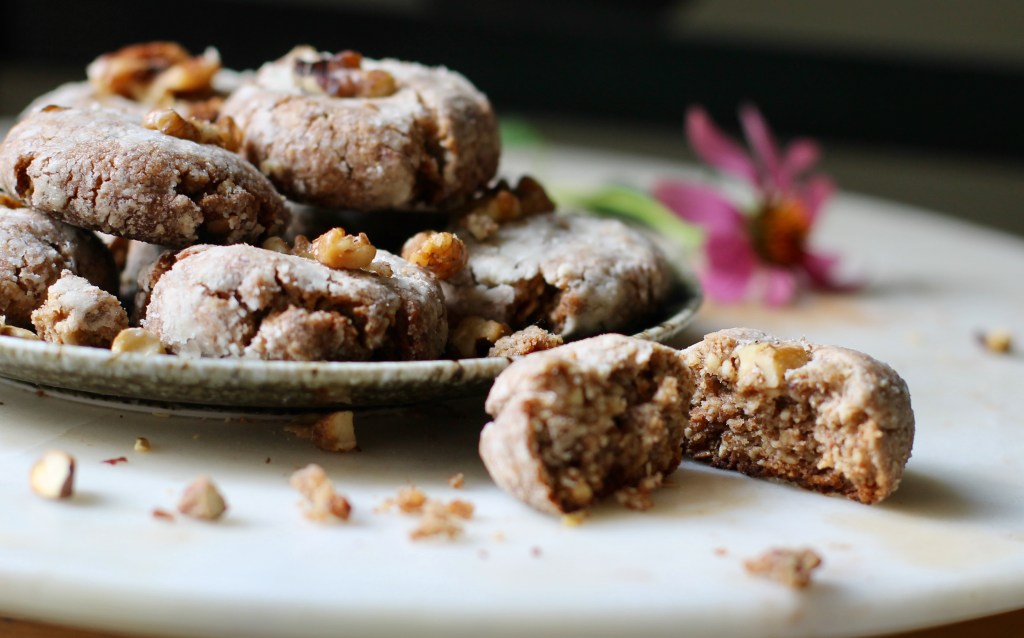
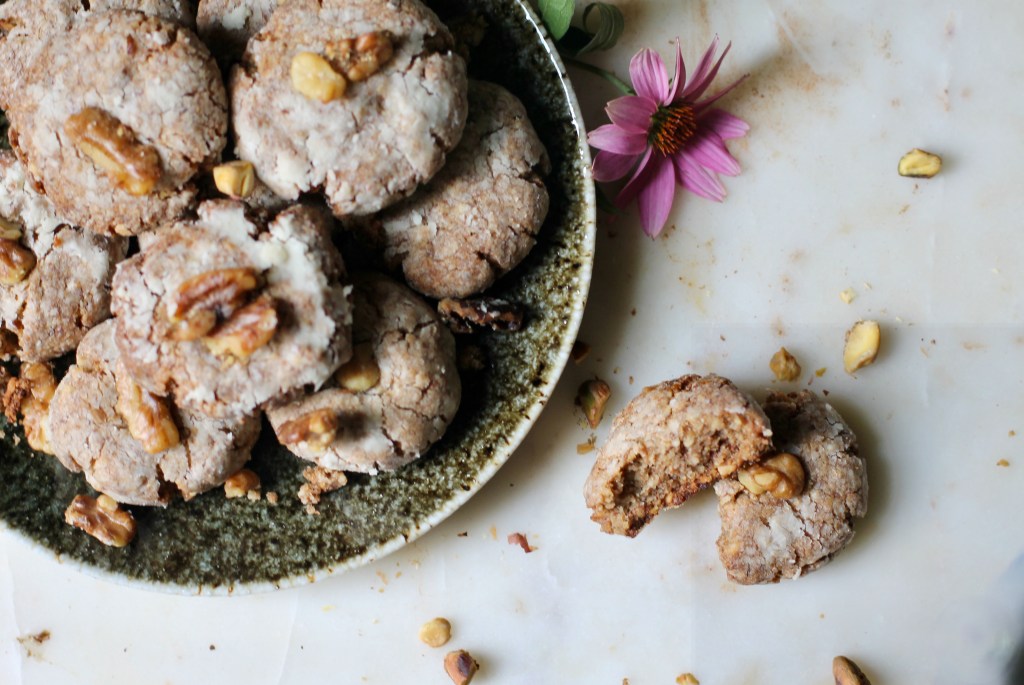
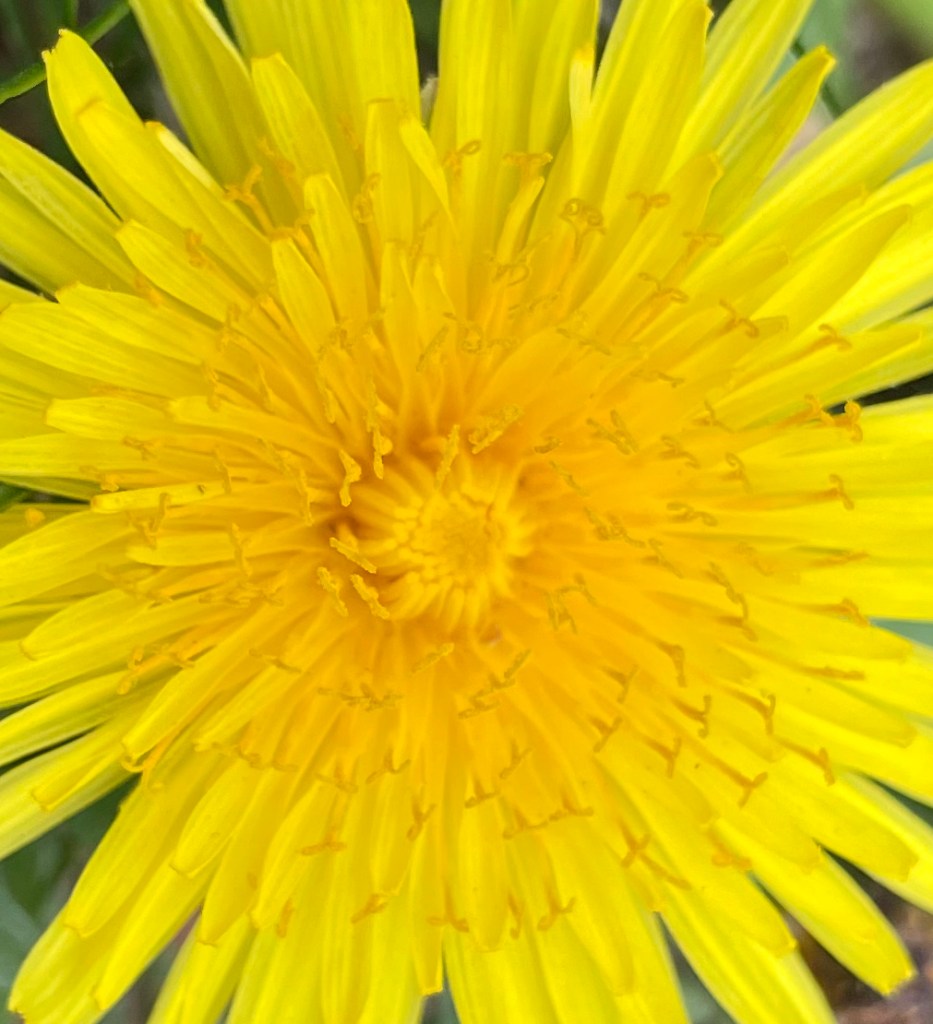
Let your inner child come out! Dandelions are now growing in abundance. They have tasty, vibrant flowers and can be used in cakes. I would like to invite you to taste one! They are sweet with a little hint of bitterness. I created this cake so I can use the flowers. The cornmeal base is mixed with yoghurt, eggs and olive oil and is infused with vanilla extract. It is crunchy and sweet, a perfect dessert for a spring afternoon… when you are ready to play, make this cake.

TIP

Make sure you pick flowers that were not sprayed.

RECIPE

INGREDIENTS

  • 1 cup cornmeal, medium
  • 1 cup almond flour or white flour
  • 2 tsp baking powder
  • zest of 1 lemon
  • pinch of salt
  • 1/4 cup sugar
  • 1 tsp vanilla extract
  • 1/2 cup olive oil
  • 1/4 cup Greek yoghurt
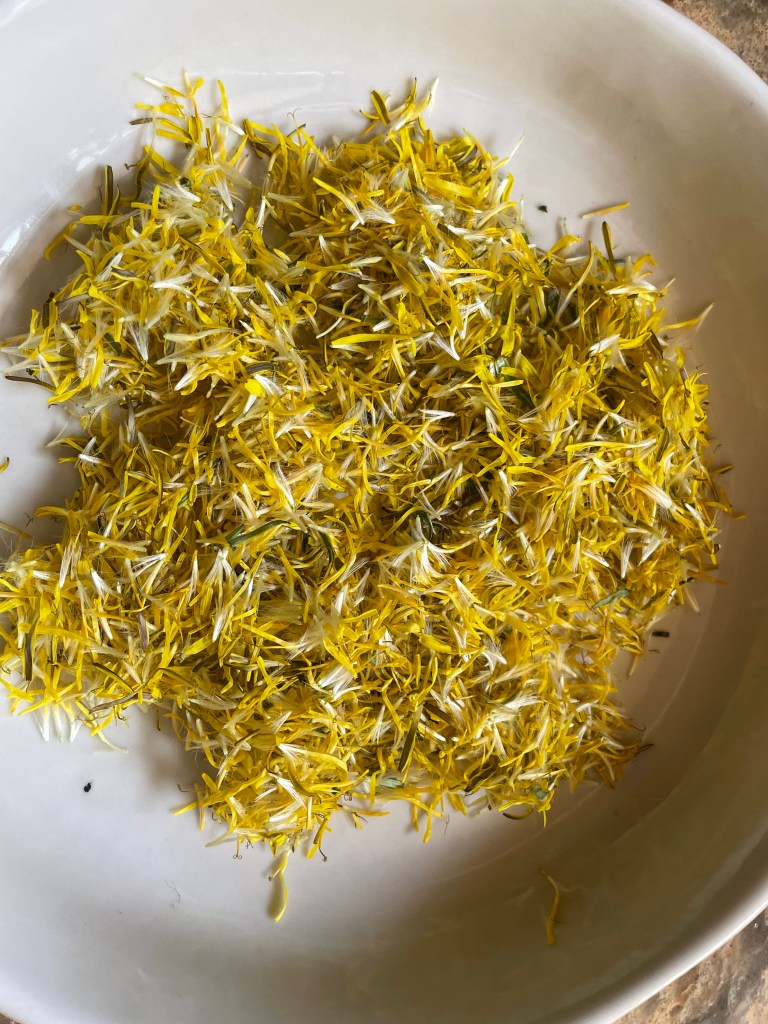
  • 30 dandelion petals, chopped (greens removed)
  • jam of your choice

METHODS

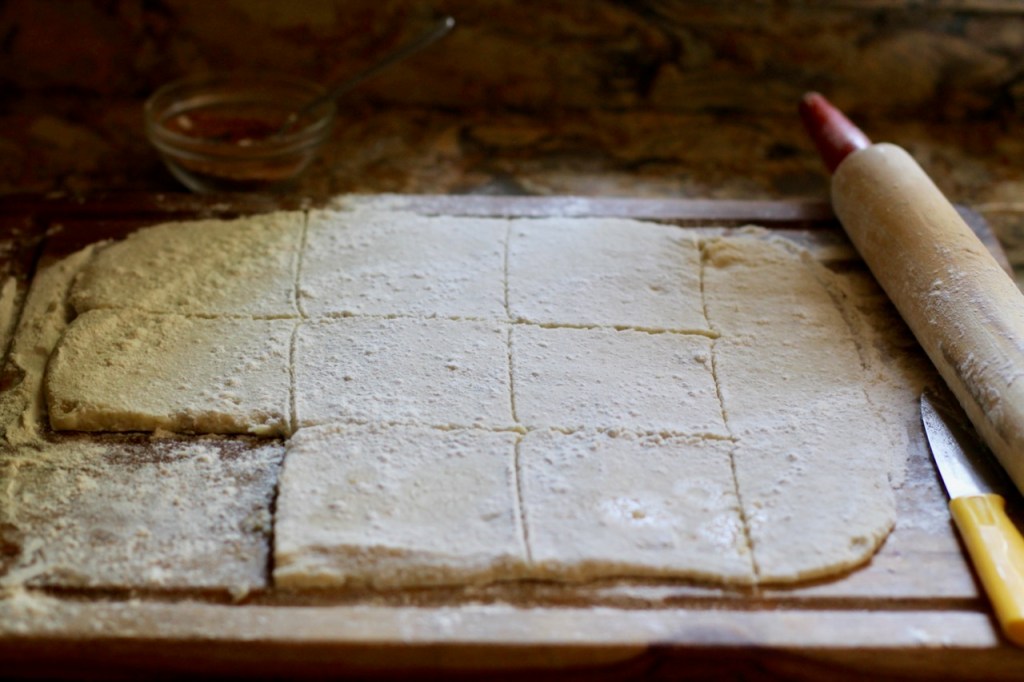
  1. Preheat the oven to 350 F. Oil the sheet of a 7 inch baking pan.
  2. In a large bowl, sift flour with salt and baking powder.
  3. In a separate bowl, cream olive oil, eggs, sugar, almond extract and lemon zest. Add to the flour mixture from earlier. Mix thoroughly.
  4. Let the dough rest over night but at least for an hour.
  5. Bake for 30 minutes.
  6. Spread the jam your heart desires evenly on the baked cake.
  7. Garnish with dandelion flowers.

Enjoy!

Recipe, photo and text by Twincitiesherbs.
Rhythm of life

Written by Twincitiesherbs.

Rhythm of life

Rhythm
Patterns
Cycle

Finding nature inside us
With a relaxed, clear mind
Keep the waters calm
No matter what happens outside.

Find what you desire
Meditation
Walking in the woods
Or clearing your mind

Find the rhythms that are soothing
The patterns that are engaging
The cycles that are moving.

The opposite of calm is chaos.
Don’t let fear overwhelm you
Take charge and do something that moves you.

Keep the waters calm!

Rhythm
Patterns
Cycle

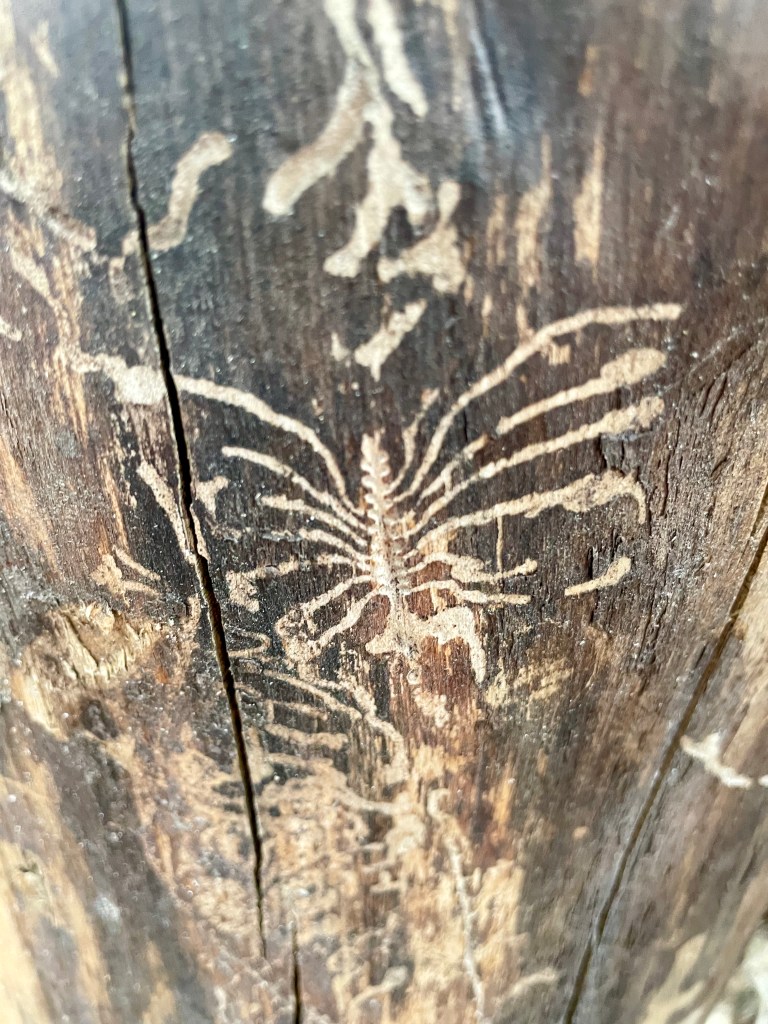
Art: Bug Art on a tree brench

Migas corn pancakes

Somethin’ from nothin‘ … In Spain, Migas is a word for something from nothing, a nourishing peasant breakfast made with stale bread and ham that gives a flavorful experience. I was inspired by the Mexican version of this original Spanish dish. In Mexico, this dish is also called Migas but it is served with scrambled eggs mixed with crispy crumbled corn tortilla and black beans. I had this dish at a local restaurant called Neighborhood Cafe in St Paul, MN. It was quite the culinary experience! The Mexican chef at the restaurant served it with corn pancakes. I am not sure if the pancakes are part of the Mexican tradition but I enjoyed the whole breakfast as it was prepared at the restaurant and it is now a staple in our house.

I tried to recreate this meal at home. I made corn pancakes and served them with scrambled eggs. These fluffy corn pancakes are a twist to the traditional buttermilk pancakes. The key is to use medium course corn flour. It gives a bit of crunchiness elevating the usual pancake to another level. I serve them with honey butter. I think it is a must!

You can make this whole meal at home. I made scrambled eggs with chopped green and jalapeno peppers and cheese, added black beans with Mexican spices, salsa and served it with corn chips instead of corn tortillas. I love simple foods that create something from nothing … a mouthwatering breakfast!

RECIPE

INGREDIENTS

  • 1 cup medium coarse ground corn meal
  • 1 cup white wheat flour
  • 1 tsp brown sugar
  • 2 tsp baking powder
  • 1 tsp baking soda
  • 1/8 tsp salt
  • 3 Tbsp butter or coconut oil, melted
  • 3 eggs, lightly beaten
  • 1 1/4 cup buttermilk or milk
  • 1 Tbsp lime juice (optional but should be included if possible) or add milk instead
  • oil for cooking
  • honey butter or coconut butter (for serving)

METHOD

  1. Sift the dry ingredients (corn meal, flour, baking soda, baking powder, sugar, salt).
  2. Mix the wet ingredients (buttermilk, eggs, melted butter, lime juice).
  3. Add the dry ingredients to the wet ingredients and mix. Let the mixture sit for 8 hours.
  4. Heat a pan on medium high heat. Add some oil. Pour the batter, about 1/4 cup, onto the pan. Batter should sizzle when it hits the pan. (You can do a test with a small amount of the batter). Cook for about 3-5 minutes on each side. Caution it cooks fast.
  5. Serve warm with honey butter or coconut butter ( for a dairy free option).

Enjoy!

Source

Recipe, text and photo by Twincitiesherbs.

http://www.foodinspanish.com

Traditional tiramisu

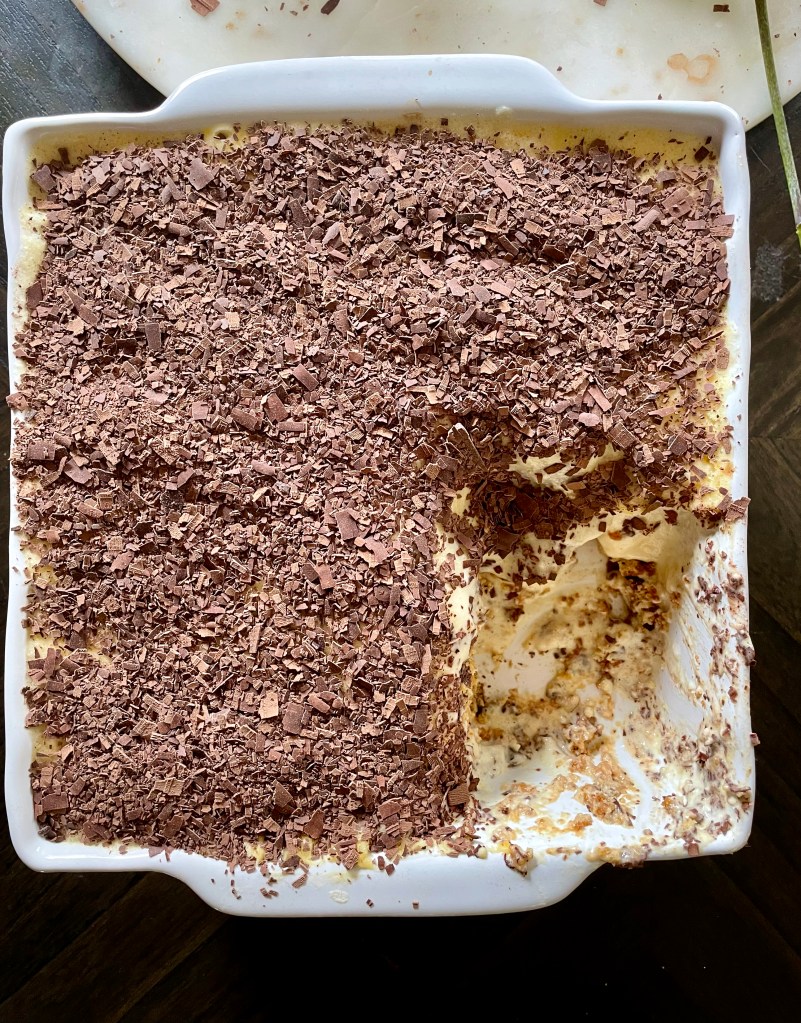
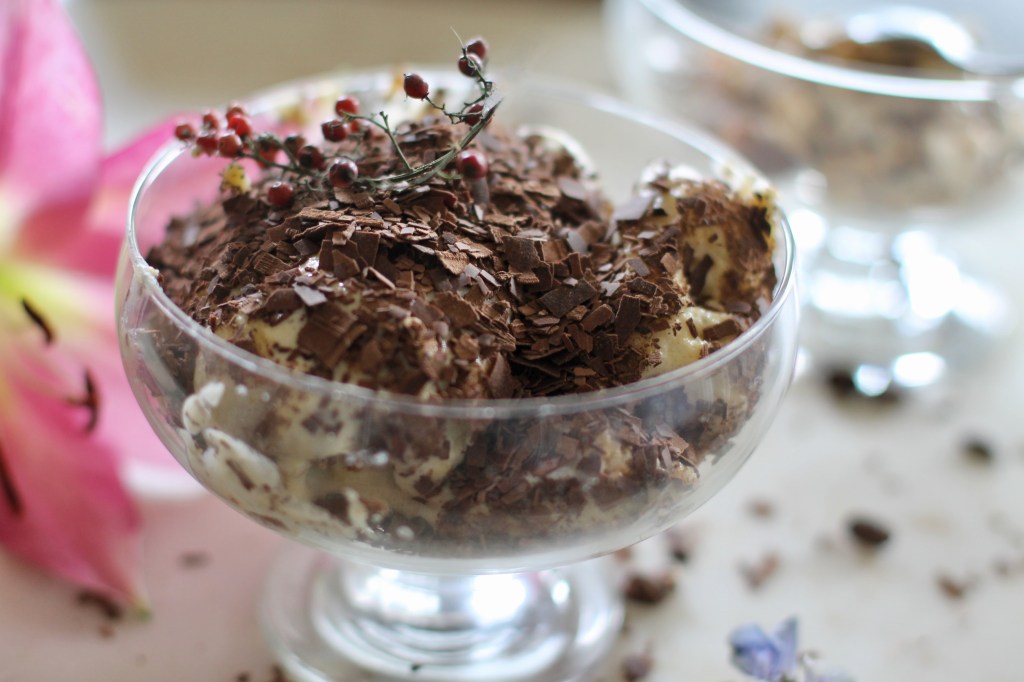
If you love coffee and desserts, you are going to love Tiramisu! It is a simple yet sophisticated Italian dessert. Like the Italians say all you need is eggs, mascarpone and lady fingers. The lady fingers are dipped in strong espresso, the mascarpone along with the eggs is infused with coffee liquor and the shredded chocolate sprinkled on the top brings all these ingredients together into a fabulous, sophisticated dessert. Wow your family, guests and they will think you are the most amazing chef …

TIPS

Lady fingers

You will need Italian lady fingers. I believe it is a must and you can buy it fairly easily. I get them at Cost Plus. You can even find them at Whole Foods or make it yourself.

Eggs

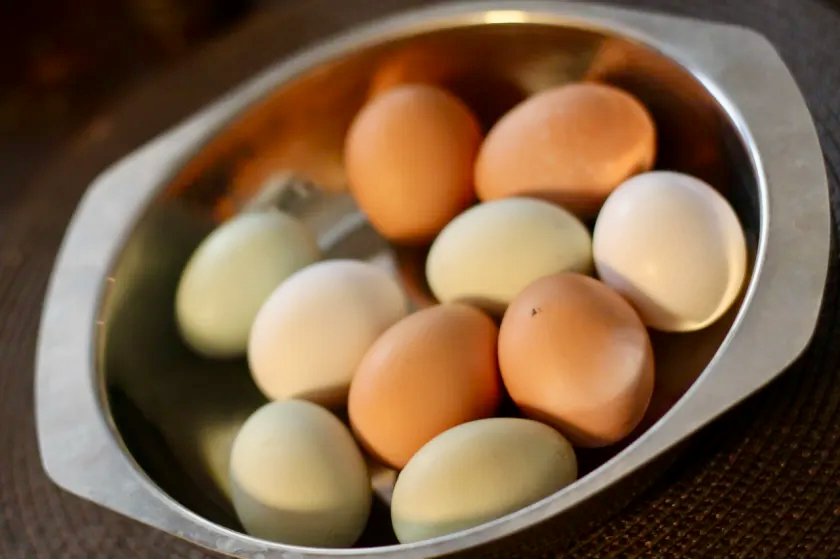
Traditionally, raw eggs are used to make tiramisu. Make sure you use fresh eggs. I get my eggs at the farmers market.

Eggs are easier to separate when cold but once they’re separated they need to be kept at room temperature.

Also, I like to put the egg whites individually into a separate smaller bowl first to make sure the egg is not addled and no yolk is mixed in. Then you can collect them in a bigger dish that is suitable for whipping the whites. Of course, the egg yolk can go into another medium sized bowl that will be used to mix egg yolks and mascarpone.

Egg test

When you immerse your egg in a pot of cold water, it should lie flat on the bottom. If it goes to the top or even one side starts moving up, do not use the egg. You can only use eggs that are fresh here.

Mascarpone

Another key ingredient is mascarpone. Yes it is expensive! … but it is an important ingredient and is worth it! So what is mascarpone anyway? It is like cream cheese but is creamier and has a higher fat content as it is obtained from cream and not from milk; cream cheese has 35% while mascarpone has 70% fat.

If you don’t have mascarpone or fresh eggs, you can still make the dessert – with a little cheating of course. My mom used to make it with vanilla pudding. Make enough vanilla pudding to cover your coffee dipped lady fingers. Just follow the instructions of the package you are using and add the shaved chocolate on the top. And add the coffee liquor too if you wish!

Alcohol

The recipe uses alcohol. I used coffee liquor (brand name: Kahlua). Amaretto works well too. If you don’t want to use alcohol, simply use vanilla.

Coffee

Coffee gives tiramisu the distinctive, interesting flavor, so yes you will need a good strong Italian espresso. The lady fingers are dipped in the espresso so make sure you make a good strong brew. 1 1/2 cup of espresso should be enough for dipping. (If you have left overs, you can drink it or pour it on your plants). For 1 1/2 cups of water, I used 1/3 cup of coffee. If you don’t have a coffee grinder, purchase the coffee already ground. If you have an espresso machine, great! If you don’t, no worries! We have a simple Italian Moka pot (Bialetti). Also, another tip is you can get your espresso at your local coffee shop. When my daughter worked at a coffee shop, she told us that they had people buying coffee to make tiramisu.

Assembling the Tiramisu

You can use different size dishes to assemble the Tiramisu. If you want to put it all in one big dish, you can use a deeper dish that is 2 Qt in size. You can use anything even circular dishes. Sometimes I use ice cream serving dishes and make tiramisu individually. Just make sure that lady fingers are tightly laid down.

This dish is definitely a make ahead dessert. It needs to be refrigerated for at least 6 hours … but honestly, I think it tastes the best after 2 days … although that might be too long to wait … Otherwise, it should be consumed within 7 days.

RECIPE

INGREDIENTS

  • 1.5 cups of strong espresso at room temperature (1/3 cup of ground coffee)
  • 28 lady fingers, depends on the size of your dish
  • 3 Tbsp coffee liquor or amoretto (or 1 Tbsp vanilla extract is fine too)
  • 6 fresh eggs (separated) Please see comment above.
  • 16 oz mascarpone
  • pinch of salt
  • 1/2-1 cup sugar
  • shaved chocolate for decoration (I got mine at Williams Sonoma)

METHODS

  1. Take the eggs out of the refrigerator. Separate the yolk from the whites while they are cold. Once you separate the eggs, just leave them on the counter. They need to be at room temperature when you start working with them.
  2. Make the espresso. Pour it into a shallow dish with a flat bottom. Coffee needs to be at room temperature.
  3. Immerse the lady fingers in the coffee quickly one at a time for one second. Try to do this quickly so the lady fingers don’t get soggy. Lay the dipped lady finger in a dish nice and snug.
  4. Making the Tiramisu sauce. In a double boiler, add 1/2 cup of sugar to the yolks with a pinch of salt and cook for 6 – 10 minute while stirring or until you get a nice creamy consistency. Keep checking, do not over-beat. You want to get a nice creamy, pudding like consistency. Here we are adding air to the yolks to increase volume. Take off heat and let cool to room temperature.
  5. Add the 3 Tbsp of coffee liquor and mascarpone to the egg yolks. Mix until just combined and smooth.
  6. Whip up the egg whites until the whites are solid. When you turn the bowl upside down, it should not fall out of the bowl. Do not over beat. Keep checking.
  7. Add the egg whites to the egg/mascarpone mixture. Don’t mix but gently fold it in. You just need to incorporate it into the yolk mixture keeping its fluffiness.
  8. Pour half of this mixture on the lady fingers that are already in the dish.
  9. Put another layer of the coffee dipped lady fingers on top of this mixture.
  10. Pour the other half of the tiramisu mixture on the lady fingers.
  11. Gently sprinkle some shaved chocolate on the top through a sieve.
  12. Cover the dish with a plastic wrap and refrigerate for 2 full days but at least 6 hours.
  13. The tiramisu can be stored in the refrigerator for up to 7 days.

Serve in smaller bowls.

enjoy!

Photo and text by Twincitiesherbs.
Hello Spring!

What a lovely morning!
I woke up to the birds chirping in my backyard.
Spring is here!
It is finally here after the long winter.

The chilly, fresh air is filled with new energy
I started walking around to see what was happening.
To my surprise
I saw many plants waking up after their long winter slumber.

Well hello my friends!

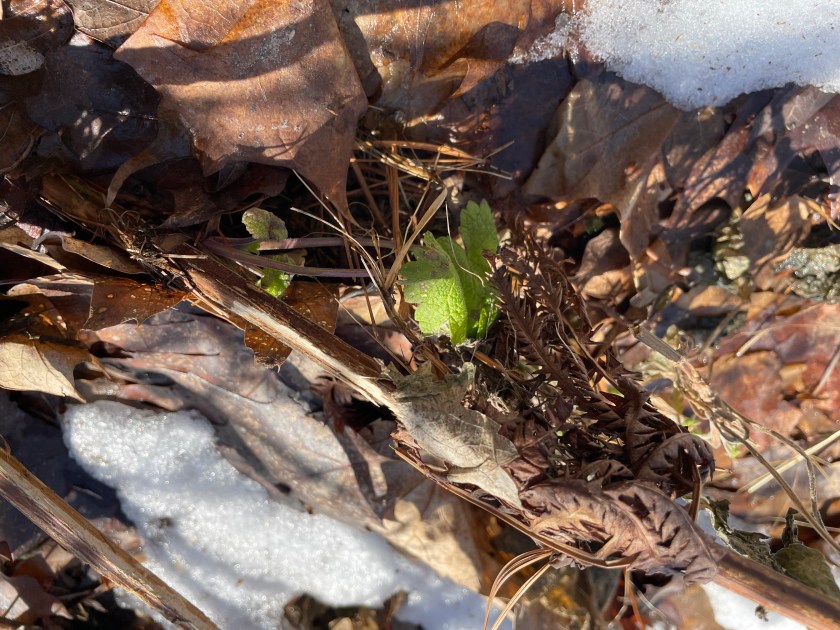
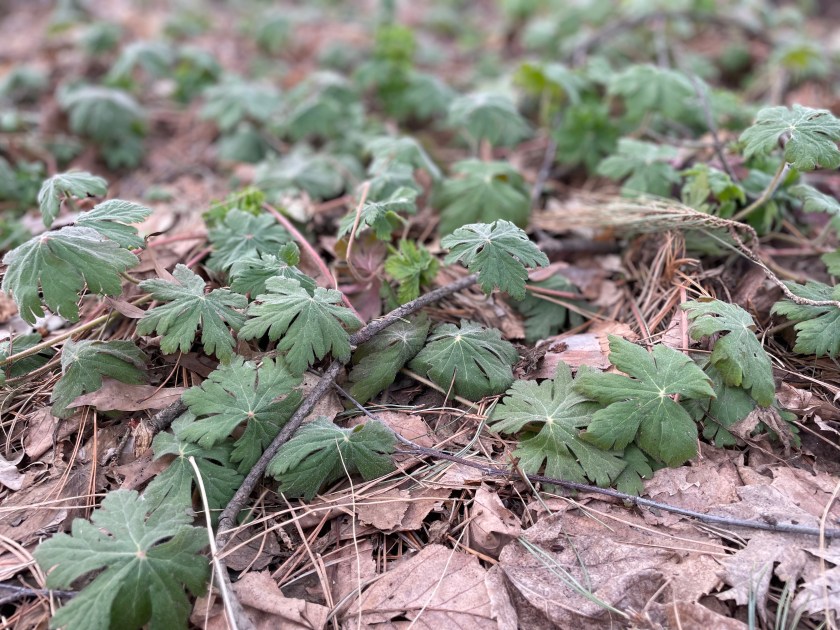
The Wild Geraniums and the Creeping Charlies
are still here from last fall.
Yes they are always here
but it is nice to see them again now.

The fragrant Wild Geranium
overwinters under the wet snow.
It is great when you need a potent astringent
or just want to look beautiful.

The long forgotten Creeping Charlie
is an evergreen perennial
available all year long and even under the snow.
Think of it when you need protection,
it was once was called a heal-all.

Under the pine trees,
the Hellebore flowers are peaking through the snow,
It is quite the show
but for me the true sign of spring comes
when my native plants show.

The Dandelion leaves are coming up
like every year ready to start spring.
Make a salad with its bitter leaves
to get you through spring.

The gentle Mullein rosettes
are peering through the snow
Their tender leaves are ready
to comfort you in your sorrows.

Yarrow with its finely cut leaves
just started to show.
They are here to heal your wounds
internal or external.

Motherwort like a tough mother is here
whether you like it or not.
It may clear away
your unwanted tension and energy.

Elderberry shoots are moving up and out,
ready to try to get you through troubled times.
Respect it,
As it lives in the world of fairies.

Hello all my lovely garden allies!
It was such a delight to check in with you all.
Feeling the energy of the spring
In my garden.

I am so glad you are here
I welcome you all.

Cook for life

-Written by Twincitiesherbs.

Cooking is good for us.

It keeps us active and relaxed,

keeping us moving ahead.

Recipes are nice 

I use recipes to guide but I rely on my senses to surprise.

For me cooking happens when I am present

and feel what I am creating in the kitchen

how colors are changing, textures are transforming,

aromas created.

Listen to the pot!

It is a great teacher!

It teaches how to cook and live in the present

feeling what is happening in the kitchen.

Cook for life!

Making food everyday

Chopping onions, stirring a pot, 

Listening to the sizzling sounds.

It heightens our senses

to recognize patterns

so we can create something amazing!

Make mistakes! 

I make mistakes all the time. 

Every mistake made me who I am today.

Don’t give up!

Don’t worry about doing something wrong 

you might create something nice! 

Pick a favorite dish 

that you can make everyday!

Practice makes perfect

make it so it pleases your senses.

The fire of the stove is radiating warmth

creating bonds.  

Bringing food and people to the table

To nourishing our body, mind and spirit

to make us whole

Cook for life!

Eat with the seasons!

Written by Twincitiesherbs.

A big theme for my blog is ‘Eating with the seasons’. I have been eating seasonal foods my entire life. I grew up in Hungary and the only foods we were able to eat were foods grown in Hungary. At the time, we were not able to get the exotic foods from Mediterranean countries or Africa. One exception was the bananas around Christmas time. When I moved to the United States, I tried to stay with this concept and only ate locally grown foods as much as possible.

What are seasonal foods?

Foods like fruits, vegetables and other products grown and harvested in a specific region where you live. In other-words, these are foods that are naturally available in your area.

But why eat with the seasons?

Earlier, people ate with the seasons out of necessity, there were no foods available from faraway places. They ate what they got. However, ancient traditions were also aware of the benefits of local foods. The ancient Chinese believe that eating with the seasons supported the balance between the body’s internal environment and the external world. They also believe that instead of counting calories and eating fad diets, we should be looking to our environment and see what we need to do to stay in balance. Let’s look at why local foods are important.

Elder flower drink in the spring

Taste and nutrition

One obvious benefit is that local foods taste better and have more nutrients than foods brought in from far away places. For instance, cherries are a great example in the Midwest, US. Cherries picked from a local tree in the summer are superior to any exotic fruits. When cherries are picked at peak of their ripeness, they are bursting with flavor and nutrients as opposed to bananas that were picked early so they could be sold at super markets after the long travel.

Sustainability

Another benefit is that eating with the seasons is more economical for sure. Our foods have minimal traveling if any so there is less carbon foot print. There is less traveling involved and food is cheaper. Also, another important consideration is that we can support our neighbors and local farmers. This further helps support our community.

Squashes from the farmers market are an excellent example for food sustainability. Squashes grown locally are tasty in the fall and are available in abundance … and we can support our local farmers as well.

Benefits our body

Also, foods grown in our area we live in support our body, our immune system. The energy of the food has the energy that surrounds us and helps us cope with the environmental challenges. They have the nutrients we need and can help the body ward off pathogens easier. As we move through the seasons, we face similar challenges; in other words, the plants have to deal with the same climate to make it through the year. Also, the plants get the native pollinators to pollinate their flowers.

Potatoes in the middle of the winter come to my mind for a good example. Potatoes grown locally and stored in a root cellar have everything we need in the winter. Seriously, we don’t need to get expensive vegetables from warmer places.

Summary

Eating with the seasons has been an important concept for a long time. For many, it is a way of life because there are no other foods available. However, eating seasonal foods has many benefits. The foods grown locally taste better, have the nutrients we need and can support our energies to cope with our environment. Also, they are cheaper and can support our local community as well. Honestly with all these benefits, I can’t imagine not eating the foods that grow in my back yard or I can get at the farmers market.

Text and photos by Twincitiesherbs.

Honey butter

Honey butter is very easy to make. All you have to do is mix soft butter with a little honey. For a dairy free version you can use coconut butter, it is equally delicious. Serve it anytime you want to add a little hint of sweetness to your food… it is great for pancakes or toast. My favorite is corn pancakes!

RECIPE

INGREDIENTS

  • 8 Tbsp butter or coconut butter, room temperature
  • 1 Tbsp honey

METHODS

1. Mix the soft butter with the honey. If it is too cold in your space, you can heat it up. It will solidify soon after you add the honey or it can be placed in the refrigerator.

2. Store on the counter at room temperature or the fridge if it gets too hot.

enjoy!

Picture, text by Twincitiesherbs.

Dampness: The Root cause of so many illnesses

Written by Twincitiesherbs.

Twincitiesherbs

According to Ancient Chinese Medicine, the root cause of so many health problems is Dampness and many of us especially in the Western industrial countries have it.

So what is Dampness in the body?

Dampness is a condition of having excess fluid like substance in the body. Dampness is considered one of the evils in Traditional Chinese Medicine, capable of disrupting the internal balance of our body. It can negatively impact the energy (Qi) flow (3).

Imagine a house where water is flowing through the inner pipes. You have access to the water only in the bathroom and the kitchen. You should not have water floating around anywhere in the house and the faucets should not be leaking. There should be no water seeping into the house from the outside either.

This same scenario is present in our body. Fluids should be in areas where they are supposed be and should be able to move without impedance. Fluids are important for our body to function properly. It moistens the digestive tract and the mucosa. However, when it is not flowing in its proper place, it can create Dampness (3).

When trapped, Dampness can turn into Phlegm, a more serious condition and can cause stagnation in the body. It may also lead to other more complex problems like tumors and cancer (3).

In our body, our Spleen is mainly in charge of moving this fluid. So if our Spleen is not healthy, we can see Dampness (3).

What can cause it?

  • Poor diet: Overeating, eating too much raw, cold, sweet, greasy, processed, poorly grown and sugary foods. Excess alcohol. Eating while distracted. Not chewing our food properly.
  • Food intolerance.
  • Stress, unresolved emotional problems.
  • Inactivity.
  • Constitutional weakness. Some people have genetic dispositions for dampness.
  • External damp environment. Humidity. Wet conditions.
  • Internal: Poor functioning spleen (2,3).

What are possible symptoms?

  • Feeling of heaviness of body and head
  • Digestive problems (bloating, diarrhea, constipation)
  • Poor appetite
  • Copious body secretions, sticky discharges
  • Feeling sluggish, tired
  • Urinary problems
  • Skin problems (thick and dirty fluids oozing out)
  • Overgrowth of yeasts, viruses, putrefactive bacteria, parasites
  • Joint problems
  • Brain fog
  • Weight problems (2).

So what can we do?

1. Strengthen digestion.

Use carminative herbs. Carminative herbs support our digestion. They are warming pungent and bitter plants that stimulate and excite secretion from the mouth on down the gastrointestinal canal (1). Cook with these plants on a regular basis. Carminative herbs are paprika, ginger, fennel, cumin, coriander, thyme, garlic, sage, mint, turmeric, rosemary, cinnamon, all spice, caraway seeds, anise seeds, fennel, cardamom, mustard seeds, oregano etc (2). In other words, these are the so called culinary spices. Ancient doctors have added them to our foods so we can have their benefits on a daily basis. Most of my recipes have one or more of these spices.

2. Eat nourishing foods.

According to Hippocrates, a physician who lived about 2000 years ago, “Let food be thy medicine and medicine be thy food”. This is a very powerful statement that sums it all up: Treat your food as medicine else your medicine will become your food. Our food and our body are intimately related.

Nourishing our organs especially the Spleen is crucial to prevent dampness. In addition, according to Chinese Medicine, Phlegm is made in the Spleen and stored in the Lungs. So the health of the Lungs and its twin organ the Large Intestine are important too. Also, the Water element organs, the Kidneys and the Bladder can contribute to the accumulated moisture if they are not transforming the fluids (2). For more information, please check out my blog posts on the Earth, Metal and Water elements.

3. Emotions

Our emotions can negatively effect our organs and cause Dampness. Use stress relieving methods like meditation or flower essences (4).

4. Exercise

Keep moving. Exercise is good for our digestion, Lungs and keeps fluids moving. It is so good for the whole body in general and can prevent Dampness (2).

5. Anti-dampness plants

There are many plants that can help with Dampness. Chicory root, Chamomile or Fennel seeds are great bitter herbs that help dry Dampness (2). Also, there are many excellent foods that we can incorporate into our daily diet. Beneficial foods to prevent Dampness include turnips, burdock, aduki beans, celery, barley, mung beans (2), all mushrooms, garlic, cranberries.

6. Keep calm!

Staying calm is a big theme in Natural Medicine. A calm body and mind are essential for true health. A stressed body can lead to so many problems including Dampness. It also involves eating without distractions in a pleasant environment and properly chewing our food (3).

The plants mentioned in this post can be drying so use them in moderation or use them with other moistening substances. These include water, oil, small amount of salt. Of course, when served with a meal, this should not be a problem. For the records moistening foods include chard, tomatoes, spinach, barley, millet, pears, seaweed, almonds, eggs, pork, mussels, pine nuts. In addition, moistening herbs include Plantain, Marshmallow, Slippery Elm (2).

Summary

Dampness is one of the most important health problems today effecting a lot of people. It mainly involves our digestive system. Poor dietary habits and life style choices contribute to it. In addition, poorly functioning Lungs and the Kidneys can add to the problem. They can often be prevented with awareness toward what and how we eat and how we live. Of course, avoiding all the things that caused the problem is essential. It is no surprise people for thousands of years put a big emphasis on the importance of diet and life style (3).

Note: I capitalized some words in the post. In Chinese Medicine, words that are associated with additional Chinese medicine theories/functions are capitalized to differentiate them from their Western meanings.

The information provided is for educational purposes and is not intended to be a substitute for medical treatment. Consult your medical care provider before using herbal medicine, particularly if you have a known medical condition, are on any medication or if you are pregnant or nursing.

SOURCES

(1) Mathew Wood. The Practice of Traditional Western Herbalism.

(2) Paul Pitchfort. Healing with Whole Foods.

(3) Giovanni Maciocia. The Foundations of Chinese Medicine

(4) Pablo Noriega. Bach Flower Essences and Chinese Medicine

(5) artaobiherbs.substack.com/p/dampness-food-choice

Photo and text by Twincitiesherbs.

Almond cranberry biscotti (home-made cantucci)

These twice baked cookies have a crisp texture and a sophisticated flavor. The basic dough is gently infused with almond extract and is filled with almonds and cranberries … and the aromas of these cookies baking in the oven can create a heart warming atmosphere for your Valentine’s Day!

Originally, biscotti was a travelers’ food that was meant to be eaten on long journeys. It was used for soldiers during the wars of the Roman Empire. After the fall of Rome, it reemerged during the Renaissance. A baker in the city of Prato, in the region of Tuscany, created a new version that was served with local wine. Originally almonds from the plentiful almond groves of Prato were used. They called this dessert Cantucci of Prato. The Italians still call this delicious dessert cantucci. Biscotti is the Italian word that refers to all twice baked cookies.

Ever since it became popular in Tuscany, chefs have created new versions of this basic recipe adding raisins, chocolate, lemon, anise, pistachio nuts, cranberries, butter and the list is endless. I guess making it with raisins and almonds would be the most common addition.

I personally like using cranberries and almonds. I love the synergy of these two ingredients, the sweet, tangy cranberries and the mildly bitter almonds creating a gently sweet dessert. One caution is the more things you add, the harder the dough will be to work with … but of course it does enhance its flavor and the texture.

EDIT: I just made these cookies with almond flour instead of wheat flour … they are even better! (Traditionally they are made with almond flour). So I now made a change to my recipe. Try it with almond flour and please let me know what you think. Otherwise, everything is the same.

RECIPE

Yields about 20 cookies

INGREDIENTS
  • 1/2 cup high quality light olive oil
  • 4 eggs
  • 1/4 – 1 1/2 cup white granulated sugar
  • 1 tsp almond extract or 2 tsp vanilla extract
  • 4 teaspoons fresh lemon or orange zest or 2 tsp dried lemon or orange zest
  • 4 cups almond flour or all-purpose flour + more for kneading the dough
  • 1/2 tsp salt
  • 4 tsp baking powder
  • 1 cup chopped almonds or pistachio nuts
  • 1 cup dried cranberries or raisins

INSTRUCTIONS
  1. Preheat oven to 325 F. Oil a cookie sheet.
  2. In a large bowl, sift flour with salt, baking powder.
  3. In a separate bowl, cream olive oil, eggs, sugar, almond extract and lemon zest. Add to the flour mixture from earlier. Mix thoroughly.
  4. Chop the nuts lightly by hand. Add the cranberries and the nuts, mix. You can add a small amount of water if the dough doesn’t stay together.
  5. Let the dough rest for an hour.
  6. Divide the dough into two equal sized portions. Lightly flour the surface of a cutting board. Using your hand, shape each piece into a 6 x 2 x 1 inch log shape. You want to roll each piece like you roll a rolling pin. Place the logs on the baking sheet.
  7. Bake for 30 minutes on the rack placed in the middle of the oven. You don’t need to worry about the color of the top as the logs will be baked again.
  8. Take the sheet out of the oven. Place the logs on a cutting board and let them cool for 30 – 60 minutes.
  9. Using a serrated knife, slice the logs about 1/2 inch wide. You can cut them on an angle or straight.
  10. Reduce oven temperature to 300 F. Place each cookie slice upright on the cookie sheet about 1/2 inch apart and bake them for another 20 minutes or until golden in color and crisp. (Turn the cookies over on the other side half way though, after 10 minutes).
  11. Remove and let the cookies cool on a wire rack. They will get firmer.
  12. Serve with coffee, vine or tea.
  13. Store in an air tight container. They will keep for a long time.

Enjoy!

Text and photo by Twincitiesherbs.