Eat with the seasons!

Written by Twincitiesherbs.
A big theme for my blog is ‘Eating with the seasons’. I have been eating seasonal foods my entire life. I grew up in Hungary and the only foods we were able to eat were foods grown in Hungary. At the time, we were not able to get the exotic foods from Mediterranean countries or Africa. One exception was the bananas around Christmas time. When I moved to the United States, I continued to stay with this concept and only ate locally grown foods as much as possible.

What are seasonal foods?

Foods like fruits, vegetables and other products grown and harvested in a specific region where one lives. In other-words, these are foods that are naturally available in your area.

But why eat with the seasons?

Earlier, people ate with the seasons out of necessity, there were no foods available from faraway places. They ate what they got. However, ancient traditions were also aware of the benefits of local foods. The ancient Chinese believe that eating with the seasons supported the balance between the body’s internal environment and the external world. They also believe that instead of counting calories and eating fad diets, we should be looking to our environment and see what we need to do to stay in balance. Let’s look at why we should consider eating local foods.
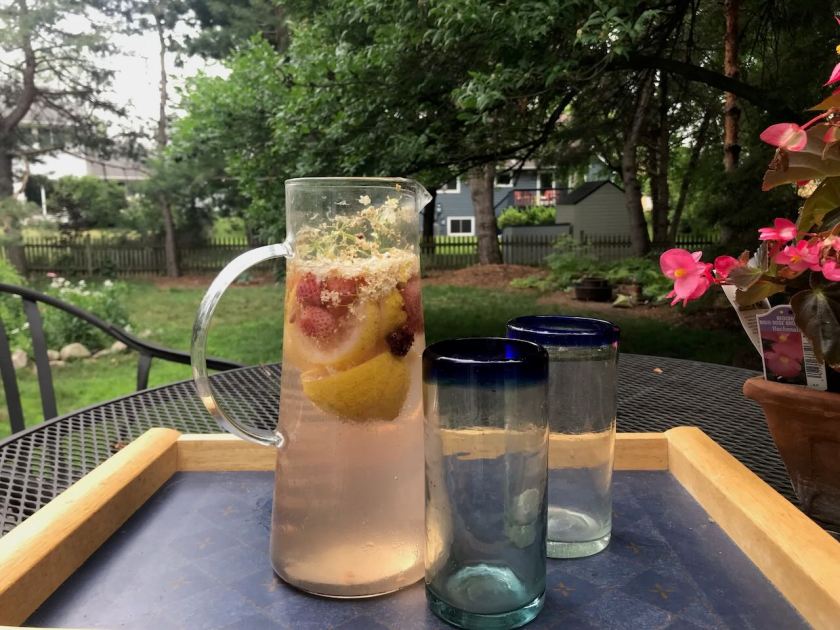
Elder flower drink in the spring

Taste and nutrition

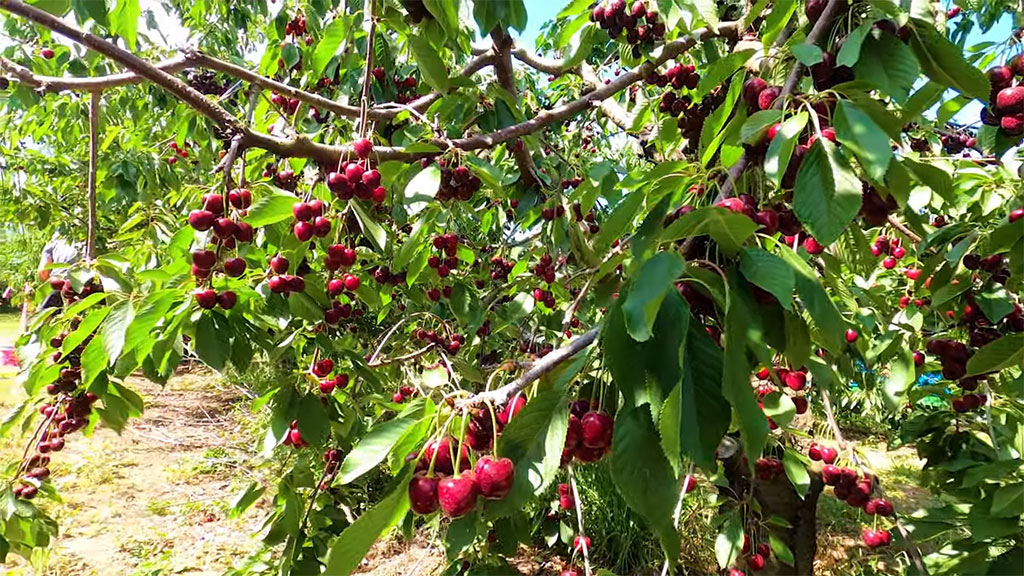
One obvious benefit is that local foods taste better and have more nutrients than foods brought in from far away places. For instance, cherries are a great example in the Midwest, US. Cherries picked from a local tree in the summer are superior to any exotic fruits. When cherries are picked at peak of their ripeness, they are bursting with flavor and nutrients as opposed to bananas that were picked early so they could be sold at super markets after the long travel.
Sustainability

Another benefit is that eating with the seasons is more economical for sure. Our foods have minimal traveling if any so there is less carbon foot print. There is less traveling involved and food is cheaper. Also, another important consideration is that we can support our neighbors and local farmers. This further helps support our community.

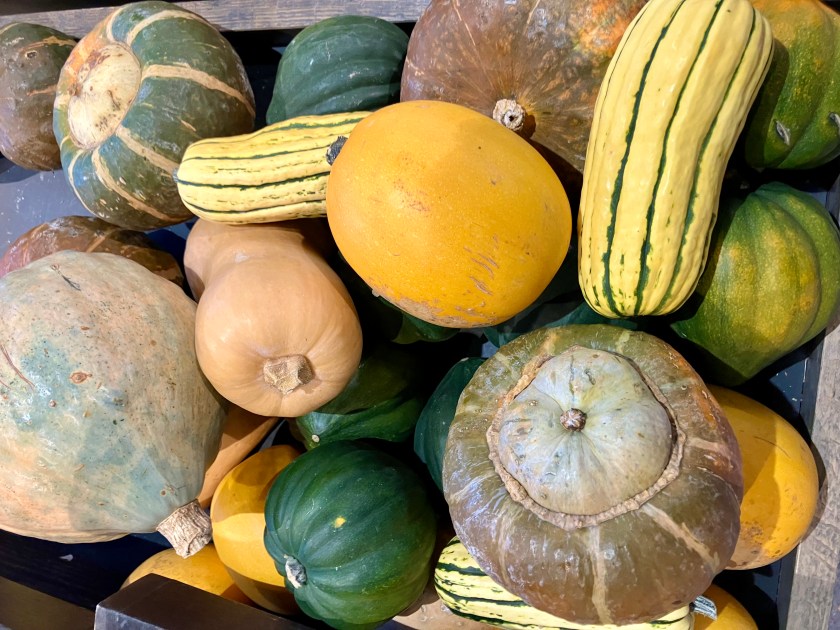
Squashes from the farmers market are an excellent example for food sustainability where I live. Squashes grown locally are tasty in the fall and are available in abundance … and we can support our local farmers as well.
Benefits our body

Also, foods grown in our area we live in support our body, our immune system. The energy of the food has the energy that surrounds us and helps us cope with the environmental challenges. They have the nutrients we need and can help the body ward off pathogens easier. As we move through the seasons, we face similar challenges; in other words, the plants have to deal with the same climate to make it through the year. Also, the plants get the native pollinators to pollinate their flowers.

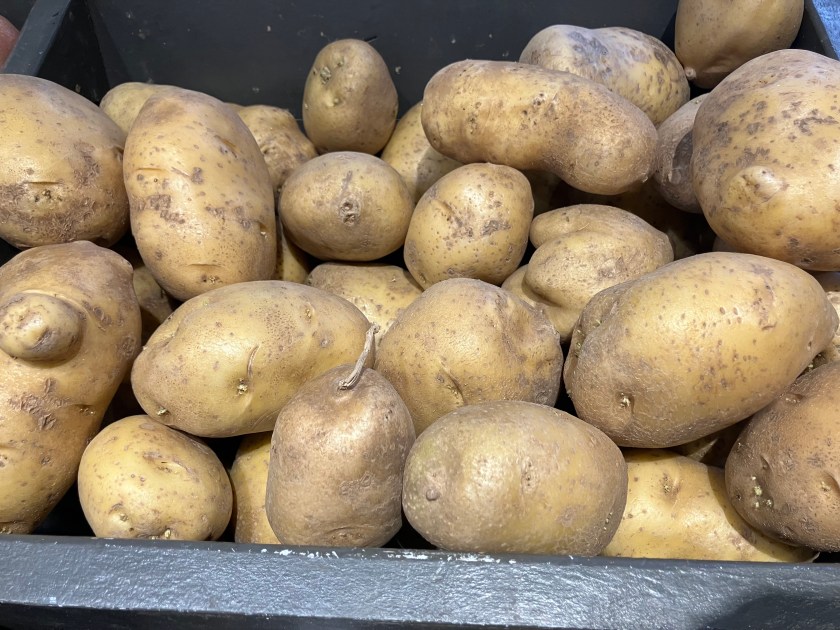
Potatoes in the middle of the winter come to my mind for a good example. Potatoes grown locally and stored in a root cellar have everything we need in the winter. Seriously, we don’t need to get vegetables from warmer places.
Summary

Eating with the seasons has been an important concept for a long time. For many, it is a way of life because there are no other foods available. However, eating seasonal foods has many other benefits. The foods grown locally can taste better, have the nutrients we need and can support our energies to cope with our environment. Also, they can be cheaper and support our local community as well. Honestly with all these benefits, I can’t imagine not eating local, seasonal foods that grow in my back yard or I can get at the farmers market.

Text and photos by Twincitiesherbs.

Eating with the Late summer season (no recipes)

INDIAN SUMMER

It can get a bit challenging to say goodbye to all the fun we had in the summer, canoeing down the creek, hopping on our bikes to get to our favorite ice cream shop or just spending endless hours outside in the warm weather. Yes indeed, it can get tricky for some of us to let go. But we have a few weeks to do it! Now we can enjoy the warm weather without the heat and maybe even the mosquitoes. It kind of feels like we are rocking on a sailboat on calm waters during a sunset. But at the same time it would be wise to start thinking ahead. Yep, there is that nip in the air in the morning … the cold weather will be coming!

This time period has been recognized by many different cultures. In the United States, it is called Indian summer, in China, the Earth season and in Hungary, old women’s summer (vénasszonyok nyara). Technically, it is not considered to be a season as there are only four seasons but it is a unique time period with its own characteristics. It corresponds to the Earth element, one of the 5 elements in Chinese Medicine. In addition to being an Earth element season, it is also associated with time periods of transitions between seasons. This may sound like a difficult concept but if you read on hopefully it will make more sense.

The ancient Chinese have observed this short time period, the Earth season. This is the time of stillness when everything seems to just stop. The heat of the summer is gone, our busy lives are finally slowing down and activity becomes effortless. It is associated with stability, patience and thoughtfulness. It is the time to stop and observe abundance around us and things we have created. As the days are getting shorter, we are moving from the time of abundance and expansion to focusing inward and cessation of abundance. We can also observe similar qualities in nature when, for instance, we move from the cold weather into warmer weather at the beginning of the spring and we should be considering the qualities of the Earth element.

Seasonal transitions are important to be aware of as they can be challenging on our bodies. It is worth paying attention to, especially if you are prone to problems now like having excessive mucus, digestive problems, feeling of heaviness/edema, tiredness, metabolic problems, low self esteem or craving sweets.

Element: Earth

Organs: Spleen, Stomach, Pancreas

Sense: taste

Color: yellow

Taste: sweet

Supporting taste: pungent

Emotion: brooding, worry

Evil (Health problems): Dampness

In Chinese Medicine, Earth element just like the other four elements corresponds to a specific taste, sense, color, emotions, and health problems. Also, each element has corresponding Western organs. The Western organs of the Earth element are the Spleen, Pancreas, Stomach and in addition the muscles and mouth that they control.

Let’s look at the nature of the Stomach and the Spleen/Pancreas. The Stomach likes to be be cool and moist. It starts breaking up the food it receives and passes it for further digestion. The Spleen and the Pancreas on the other hand, like to be warm and dry. Their main job is to further work on digestion and nourish the body. The Spleen has other functions including its role in the immune system that is important especially in the fall. The Pancreas releases digestive enzymes and also is involved with regulating the blood sugar.

Just like Mother Earth in nature, our Earth element is responsible for nourishing the body. Digestion is important all year around but especially during this time to ensure that we can ease into the colder months. Also, there is a branch in Chinese medicine that believes the Earth element is the element that is most important for good health. Yep this time period is all about eating good, healthy food. Remember this is the Harvest season!

The flavor of the Earth element is sweet. Sweet foods are sugars, meats, dairy, and complex carbohydrates including grains, vegetables and legumes. This flavor enters and nourishes the Spleen/Pancreas. It has a harmonizing effect on the body exactly what we need now. This flavor is great to have any time of the year but especially important right now. However, the sweet flavor also has a tendency to cause Dampness and to slow down the body; therefore, pungent flavored foods like onions, ginger are also recommended at this time. (Just on the side, exercise has similar effects).

Choosing your sweet foods wisely is also important. I should mention that the sweet flavor should not be overdone especially by individuals who tend to gain weight and retain water easily. This is also true for the pungent spices, they should be consumed in moderation to make sure that heat does not stay trapped in the body. Definitely practice moderation. Of course, over-processed foods should be avoided.

All the vegetables that grow right now are great. If you go to the farmers’ market you will see eggplants, beets, cabbage, celery, chard, cucumber, lettuce, potatoes, mushrooms, squash, sweet potatoes, yam,tomatoes, bitter melon. Fruits are apples, pears, grapes, plums. Nuts are walnuts, sunflower seeds, almonds, chestnuts, sesame seeds.

We don’t just digest our foods but we digest our life experiences too. Eating healthy foods is essential but how we live, think and process information is also important. Chinese Medicine recognizes that our emotions are important for good health. The emotions that correspond to the Earth Element are worry and brooding. Stress can also have negatively affects. For instance, reading while eating can have adverse effects on our digestion. You can eat all the greatest foods in the world but if you are not mindful, your metabolism can be impacted. Have fun, get into a good routine or even eat with other people whom you enjoy being with!

To harmonize with this season, it is wise to make changes to our cooking style. The emphasis should be on moderation and creating simple, harmonizing dishes with ingredients that attune with the Earth element: round, mildly sweet, yellow or golden in color. Feel free to use herbs that help digestion like dill, oregano, ginger, anise, caraway seeds, cumin, fennel seeds, lavage etc. Also, try to avoid foods that are complicated with too many ingredients or are heavy, greasy and too spicy. In other words, we need to help our digestion so we can move into the new season effortlessly. In addition, it is a good idea to start including more seasonal warming foods in our diet like winter squashes.

Indian Summer is a very important time period even though our Western culture doesn’t recognize it. It is a transitional time related to digestion and food. It is a short time period between August and September and also between seasons. We are supposed to eat simple and nourishing foods so we can ease into the new season. Sweet and pungent foods are preferred, sweet foods are nourishing and the pungent foods move these foods and prevent stagnation. Also, it is a good idea to think ahead, it start including some warming foods like squashes in our diet.

(In the text, I capitalized the organs because in Chinese Medicine, it is more like an organ is considered to be the organ itself along with its energetic functions).

If you are looking for dishes to make during the Indian Summer time period, please, click on the Indian Summer ‘keyword’ on the right and you should get all my recipes or see a few from last year below.

Plum gnocchi

Turkish stuffed eggplants

Vegetarian moussaka

Spaghetti squash stew

Maroccan eggplant stew with garbanzo beans

SOURCES

  • Paul Pitchford: Healing with Whole Foods
  • Art: Sailing by the shore by Leonid Afremov

Text by twincitiesherbs.com

Eating with the summer season

SUMMER

Here is the season that we have been waiting for since the winter solstice! In the spring, we witnessed the buds emerging on the plants and maturing into full grown plants … oh and the days getting longer and warmer. Now finally we can appreciate what nature can give: warmth, light and food. This is a great time to get outside and socialize. You can travel and eat the abundant fruits and vegetables or just have fun. Also, we can take an advantage of all the gorgeous flowers blooming outside.

In Chinese Medicine, each season is associated with a natural element so summer’s element is Fire. Also, each element has corresponding Western organs. The Western organs of the Fire element are the Heart and the Small Intestines and in addition, the Pericardium and the Triple Warmer are included. Also, this element contains the Mind that might be a rather difficult concept for Westerners.

One of the elements in nature is Fire, in fact, it is probably the most important one for our survival. Fire or warmth is essential to keep the body going as our metabolism and our whole body depends on it. Fire is also important for our mental state. According to Karl Jung, Fire is needed to have clear perception. Also, psychotherapists believe that ‘cooking’ is important for meaningful changes to occur in their patients. In fact, “throughout the history of humankind, the symbol of Fire has always been synonymous with life”.

Element: Fire

Organs: Heart-Mind, Small Intestines, Heart protector, triple Warmer

Sense: Joy

Color: red

Taste: bitter

Supporting flavors: salt, pungent

Emotion: joy

Evil (Health problems): Heat

In Chinese Medicine, the Heart, the Emperor of our body, is not necessarily treated directly as it depends on the other organs for its nourishment. Basically, you are to take care of your body in order to keep the heart healthy. For prevention, we are supposed to attend to all the other organs all year around to help the Heart function properly.

It is believed that if the heart is not happy, nobody is happy. So let’s see what would be ideal for a happy Heart. The Heart needs to be warm, neither cold or hot. The biggest issue during the summer months is the heat so we should be avoiding getting overheated while paying attention not to weaken the Digestive Fire. In general, we should be eating cooling foods like all the summer fruits and vegetables but paying attention to our digestion too. For instance, the Chinese eat cooling mung beans to keep the body cool but these beans are also cooked with warming carminative pisces to support the digestive Fire.

Let’s look at how we can nourish the Heart. All cooling foods especially the brightly colored fruits and vegetables are great. In Chinese Medicine, the red color is associated with the Fire element. It is believed that consuming foods that are red (watermelon, strawberries, red beans, goji berries, red peppers, chili peppers, hibiscus flower) and heart shaped foods (chickpeas) are beneficial for the heart.

Another factor that can influence our Heart is our emotions. All five emotions, anger, joy, sadness, fear, and sorrow are initiated by our Heart to protect our body but emotions out of balance can negatively effect the Heart. Out of the five emotions, joy more exactly over joy can particularly weaken the Heart.

The Mind is unique concept in Chinese Medicine.

Furthermore, the Heart’s energy tends to move downward from the Mind that the bitter flavored foods support. However, avoid eating too much bitter foods in the summer as this flavor tends to be drying. Moderation is the best! (Summer bitter foods include all whole grains, bamboo shoots, celery, dill, lettuce).

The Small Intestine helps the body sort through important and toxic information. So the healthy Small Intestine helps us in letting go of unneeded things in our life and by the same token an unhealthy Small Intestine will accumulate toxins leading to the pollution of our body, mind and spirit.

We can certainly nourish the small intestines with food. It is part of the elimination system so food would be important. Fiber rich foods will make the intestines work more efficiently and hence result in a more effective absorption of nutrients. Foods like nuts and seeds can supply this necessary protein and fiber. Of course, any kind of whole grain is helpful as well in providing fiber.

In addition, it is summer, so we can take an advantage of all the fruits and vegetables, they are an excellent source of fiber. Probiotics such Lactobacillus and bifidobacterium can be beneficial for the small intestines as well which can be found in yogurt, kefir and fermented foods.

Also, to help calm the mind and deal with the heat of the summer, it is recommended to eat a more simple diet with light foods and avoiding complicated dishes. Oyster shells, whole grains, mushrooms, barley, oats, cucumber, basil, mulberries, lemon, ghee are especially useful.

The flavor of the summer is bitter and it is recommended to eat bitter foods because it brings energy from the brain, the mind down to the lower part of the body. (Summer bitter foods include all whole grains, bamboo shoots, celery, dill, lettuce).

To work with the summer season, mainly its heat, we need to make some changes to our cooking methods. Of course, eating some raw foods is great; however, cooking some food is still recommended supplementing the raw foods. Cooking should be quick on high heat. Add hot, pungent foods to your meals. In hot climates, it is customary to add lots of hot peppers to open up the pores and release the excess heat from the body. (Of course, this should be done with some caution as too much hot pepper can injure the stomach). Also, try to minimize heavy foods to avoid sluggishness.

This is a great time to be active, spend time outside and socialize. The biggest issue during the summer is heat. Our diet and life style should support the body so we can stay cool, while paying attention to our digestion. We naturally want to eat raw fruits and vegetables but in addition consider including some simple, cooked foods during the summer to keep the digestive Fire going. Eating bitter, salty and pungent foods can facilitate the energy of the summer. Also, paying attention to our emotions can be helpful too.

(I capitalized the organs because in Chinese Medicine, it is more like an organ is considered to be the organ itself and its energetic functions).

SOURCES

Paul Pitchford: Healing with Whole Foods

Gary Dolowich: Archetypal Acupuncture

Art: Unknown

Written by twincitiesherbs.

Eating with the spring season

SPRING

No season brings more anticipation than spring … seeing how nature is slowly waking up and enjoying watching the plants grow. Spring is my favorite season. It is miraculous how the scenery quickly changes from snow and mud to luscious greenery. We can finally sit outside, eat fresh plants and wear lighter clothing. I feel that spring gives my creative energy a nice boost …

Spring is an important transition time of the year when we are moving out of the cold winter time into the hot summer time. It is true as they say spring comes in as a lion and leaves as a lamb. If we prepare our body in the winter, our immune system will be able to handle the changes easier. In addition, it is important to work with this transitional season so we can cope with its harshness easier and can enjoy the heat of the summer later.

Element: Wood

Organs: Liver, Gallbladder, Eyes, Ligaments

Sense: seeing

Color: green

Taste: sour

Supporting flavors: sweet, pungent, bitter

Emotion: anger

Evil: Wind

Spirit: vision

In Ancient Chinese Medicine, each season is associated with a natural element so spring is associated with the Wood element. Also, each element has corresponding Western organs. The Western organs of the Wood element are the Liver and the Gall bladder along with the organs that they control: the Eyes and the Ligaments. (I capitalized the organs because in Chinese Medicine, it is more like an organ is considered to be the organ itself and its energetic functions).

Chinese Medicine is not just concerned about the physical body, it believes that our spiritual health is also important. The health of our Wood element can greatly effect this higher self and vice versa. It enables us to make plans, have a clear vision and allows our energy to move freely in the body. In other words, eating well during the spring can have an effect on the spiritual aspect of a person, too.

Our body should be flexible like a tree in the spring wind both mentally and physically. A healthy tree can easily yield to any wind and not fall over. We try to create this in our body by nourishing the liver and giving our body a break from all heavier, fatty, denatured foods, chemicals and intoxicants.

The energy of spring is more ascending and expansive like the new shoots on the plants. In a similar fashion, the liver’s energy tends to move upwards and is more active. To create this outside climate inside our body, Chinese Medicine recommends that the diet be the lightest of the year and to eat more cooling, nourishing, sweet, pungent and detoxifying foods.

More complex carbohydrates like grains, cereal grasses, legumes, seeds, young beets, carrots along with all new spring foods are great sweet foods. Pungent cooking herbs – like ginger, garlic, scallions, basil, fennel, marjoram, caraway seeds, dill, bay leaves – are great to help the liver’s active energy.

Spring is the season to cleans our body and mind. As I mentioned earlier, we need to give our liver a break from heavier foods. As spring arrives, we naturally tend to eat less. In fact, people have been traditionally doing their fasting early spring to make a smoother transition into spring and be able to cope with summer’s heat later. The detoxifying process can be a very spiritual experience as well.

The bitter, sour and detoxifying foods can help this fasting process. Bitter foods are burdock root, dandelion root/leaves, artichoke, lettuce, spinach, asparagus, amaranth, quinoa, alfalfa, radish, citrus peel. Foods that detoxify and cool the liver are mung beans, celery, seaweed, lettuce, cucumber, watercress, tofu, millet, chlorophyll-rich foods, mushrooms, rhubarb stem/root. Also oats, sage, fennel, pine nuts, flax seed oil are beneficial for the liver.

In addition, small amount of vinegar or lemon have all three properties. For instance, people often drink a little lemonade in the morning with maple syrup or sugar (but not honey!) and cayenne pepper to get the liver ready for the day. The juice of one lemon is great. (Caution: do not take too much vinegar or lemon, as you can achieve the opposite effect).

Our eating and cooking habits should change as spring moves in. In general, our diet should become more simple. Foods should be cooked quickly at higher temperatures in other words the quick sauté method is preferred. Try to aim for simple food combinations. Also, it is best to eat dinner earlier than during the summer months. I would say dinner should be done by 6-7 pm. According to Chinese Medicine, Liver time when our liver is the most active is between 11 pm and 1 am so our food should be digested by this time so the liver can do its jobs more efficiently … and it has 100+ jobs that it does regularly …

Spring is the time when we naturally eat less and eat lighter foods. In general, the liver likes to be cool and well nourished. We should be minimizing salt, fats, meats and eggs and eat more vegetables and grains. Of course, all over-processed foods should be avoided. Just like we do spring cleaning in our homes, we need to ‘clean’ out the inside of our body.

Source

  • Paul Pitchford: Healing with Whole Foods
  • Art: Unkown

Eating with the winter season (no recipes)

Winter is rather a complex and mysterious season. It is more like cold and darkness desiring warmth.

When I’m out in the woods in the winter, it is so quiet, I can hear every step, every movement. I always wonder about what is inside the Earth and deep inside the lakes. It is almost like you can hear it. It is so mystical. Where are all the plants and animals? As a great Hungarian poet, Petöfi Sándor put it “Nature doesn’t die, it is just sleeping”.

Winter is an auspicious time of the year for sure. In the absence of many distractions, our life quiets down. We naturally tend to turn more inward and spend time in the quiet. With the scarcity of warmth and light, we start acknowledging them more. We bring them into our lives by lighting candles or by sitting by our fire places.

Element: Water

Organs: Kidneys, Urinary Bladder, Adrenals, Sexual organs

Sense: hearing

Color: blue

Taste: salty

Supporting flavor: bitter

Emotion: fear

Evil: Dryness

Spirit: wisdom

In Chinese Medicine, each season is associated with a natural element so winter is associated with the Water element. Also, each element has corresponding Western organs. The Western organs of the Water element are the Kidneys and the Bladder and in addition, the Adrenals’ and the Sexual organs are also included. (I capitalized the organs because in Chinese Medicine, it is more like an organ is considered to be the organ itself and its energetic functions).

Let’s look at what the Kidneys do in our body. The Kidneys provide warmth and moisture and are the source of vitality. In addition, the Kidneys ‘govern’ water metabolism and control’ the Bladder. Salty (pork, salt, sea weed, barley) and warming foods (squashes and root vegetables) support these functions. For vitality, it is essential to avoid too much stress and try to rest more, curl up on your sofa and read a book or do whatever your heart is desiring.

It is important to keep the Kidneys healthy during the winter months so they can perform these functions now and later the year. Major consideration for the winter months are cold, dryness and stress. It is a great time for eating nourishing, warming foods like bone or vegetable broths, meats and beans especially kidney, aduki and black beans. The Chinese and many other cultures take their nourishing, rejuvenating herbs at this time. As we are preparing for the holidays poppy seeds, walnuts and pork come to my mind.

In addition, the following foods are also great to nourish the kidneys: millet, barley, mung bean, potatoes, spirulina, cheeses, fenugreek seeds, cinnamon bark, cloves, onions, quinoa, lamb, salmon, trout, wheat berry, sweet rice, animal kidneys, almonds, royal jelly, bone marrow soup, butter, ghee, chicken liver, chestnuts. Oh and let’s not forget the cranberries!

Bitter foods help the body’s energy to sink downward and get the body ready to store food. Winter bitter foods are oats, rye, quinoa, kale, celery, turnips, cranberries, citrus peels. Salty foods are also able to move energy inward concentrating warmth inside while keeping the outside slightly cool. Salty flavor also keeps the kidneys stay moist and healthy so they can promote fluid metabolism. Salty foods include pork, barley, seaweed, salt.

Winter is the coldest season so rejuvenation and resting are important. To facilitate this energy, our cooking method should focus on storage and moving energy inward. Mainly cook your foods longer at lower temperatures and use less water. Try to avoid ice, raw and greasy foods, excessive salty and bitter foods and over-eating.

Paying attention to our cooking and eating methods could help us get through the harshness of the cold winter easier. Just like the trees that move their sap deep down and inward, so too energy in humans should have the same movement. The flavors of the winter are bitter and salty (of course in moderation) and should facilitate this sinking, downward moving and storing energy.

If you are looking for dishes to make during the winter, please, click on the winter ‘keyword’ on the right and you should get all my winter recipes.

Sources

  • Paul Pitchford: Healing with Whole Foods
  • Art: Unkown

Eating with the Autumn Season

AUTUMN

Out of all the seasons, Autumn was the most difficult to understand for me. There is beauty but then there is letting go. There is lots of good food but then there is sadness. There are all those extravagant colors of the leaves but there is grief. So I started contemplating about what these all mean and realized that this is life. Life is beautiful and sad all at once.

“Autumn shows us how beautiful it is to let things go.” – source unknown

As the Autumn season is arriving, I feel like a little squirrel trying to get ready for the colder months: eating the colorful fruits and vegetables, preserving foods, making last minute repairs and just mentally getting ready. By now we are aware that the Summer is gone and a new season is coming with all its beauty and challenges. It was the Autumn Equinox a couple of days ago, when the days and nights were equal and from now on the days are going to get shorter and colder as well.

Autumn is a very special and unpredictable season. Every year, I marvel the beautiful vibrant colors of Autumn, the leaves on the trees and the vegetables on the table. It is the ending of a cycle and we know that all those leaves will turn into something new in the spring. Robert Frost’s poem sums up the Autumn season for me beautifully.

Nothing Gold Can Stay

Nature’s first green is gold,
Her hardest hue to hold.
Her early leaf’s a flower;
But only so an hour.
Then leaf subsides to leaf.
So Eden sank to grief,
So dawn goes down to day.
Nothing gold can stay. 

When I walk through the forest in the Fall, I feel so peaceful. This is a time of tranquility when we start turning inward, a great time for spirituality. In the absence of creating new things, we can now focus on the importance of our existence, our spirituality. In Chinese Medicine, ” metal symbolizes the spirit that brings meaning and purpose to existence”. We can support our Metal element and this spiritual process with foods as well.

Element: Metal

Organs: Lungs, Large Intestines, nose

Sense: smell

Color: white

Taste: pungent

Supporting flavors: sour, astringent, bitter, salty

Emotion: grief, sadness

Health problems (Evil): phlegm

In Ancient Chinese Medicine, the Autumn season belongs to the Metal element. Like every element has corresponding Western organs, the Metal element’s organs are the Lungs, the Large intestines and ultimately the Skin. If you experience problems during this season for instance having frequent colds/flus, dryness, skin problems, excessive mucus, try to pay attention to your eating habits as well. If the Metal element is strong, the Qi, the life force will circulate easier and can help our body stay health.

At this time, “everything in nature contracts and moves its essence inward and downward. Leaves and fruits fall, seeds dry, the sap of trees goes into the roots”. Bitter and salty foods in moderation are the flavors that we need at this time of the year and help support this energy movement. The bitter flavor moves energy downward, foods to support this movement are dark green leafy vegetables like kale and spinach. Salty flavor moves energy inward and salty foods are seaweed and salt.

Let’s look at the nature of the Lungs. The Lungs like to be moist and warm. Moistening foods can help the Lungs stay healthy (spinach, barley, millet, pears, apples, almonds, eggs, home-made soy products, seaweed, flax seed and a little salt). Of course, the warming foods of the season are important for the Lungs as well (squashes, carrots, parsnips). In addition, the Metal element is associated with the color white and supporting foods like leeks and white onion are important.

As I mentioned earlier, this season is also associated with the Large intestine so it is wise to include fiber rich foods for the colon … and yes … in addition this is the season of letting go … letting go of things that no longer serve us physically and mentally. Beneficial foods are pulp of fruits, indigestible portion of foods, the bran of grains, and cell walls of vegetables.

The emotion related to the Metal element is sadness and grief. I always feel a little sadness at the end of the summer. Then I realized this is a natural feeling that we all tend to have. We are saying goodby to the warm weather and all the fun we had in the summer. To cope with these emotions easier, ancient people had big feasts during this time like the Harvest festival.

The flavor related to the Metal element is pungent. The pungent flavor is both protective, dispersing and cleansing for the Lungs and the Colon, exactly what they need now. To stay healthy, the stuck energy in the Lungs and Colon need to be dispersed. Pungent foods include all white vegetables, onions, garlic, hot peppers, chilies, cabbage, turnip, ginger, horseradish, cinnamon, and nutmeg.

In addition to pungent foods, it is also recommended to eat sour foods in moderation to balance out the Metal element of the body. Sour foods are lemon, vinegar, sourdough, leeks, aduki beans and fermented foods like pickles or kimchi.

In addition, golden-orange vegetables have protective benefits for the Lungs and the Colon as they are rich in beta-carotenes (provitamin A). These foods include carrots, winter squashes, pumpkins, broccoli, kale, turnip, and mustard.

Let’s remember this is the Harvest season! “We must be aware of its abundant yet contracting nature” that can be accomplished by eating more heartier and astringent foods. Astringent foods for the fall are cranberries, cinnamon, cloves, nutmeg, rosemary, turnip, potatoes, chestnuts, walnuts, pears, apples, spinach, burdock root, buckwheat, millet, buttermilk, whey, kale, chard, lavender, rose, grapes and many types of beans and lentils including black, mung and aduki beans, tur dal, and urad dal.

To attune to the Autumn season, we need to make some changes to our eating and cooking habits. So we have grown all the healthy foods that will be used now but we have to be thinking of the weather getting colder too. Also, we need to pay more attention to diet as more complex dishes are needed compared to the summer ‘s quick foods. Cook with less water at a lower heat for a longer period of time. It is getting colder so try to eat more heartier soups and warming dishes instead of the salads.

If you are looking for dishes to make during the fall season, please, click on the fall ‘keyword’ on the right and you should get all my fall recipes.

Sources

by twincitiesherbs.com.