This is a recipe that I borrowed from my daughter. She has been making it for herself so she doesn’t have to eat my pancakes. Then I realized it is actually good. The pancakes are very simple but nutritious and delicious. Basic ingredients are oatmeal, eggs, bananas … oatmeal, eggs, bananas … oatmeal, eggs, bananas … that is it and just add a few things to make it taste better. Of course, this is a very kid friendly recipe.
Dairy free and gluten free with the substitution of gluten-free oats.
RECIPE
Serving: generous portion for 1 adult
Ingredients
2 eggs
1/2 cup of old fashioned oatmeal, coarsely ground (use gluten-free for gluten free version)
1 1/2 crushed ripe bananas
1/2 tsp cinnamon or apple spice
pinch of salt
lemon zest (optional)
oil for baking
1/4 tsp baking soda
syrup of your choice
fruits (optional)
Preparation
1. Lightly beat the eggs in a medium sized bowl.
2. Mash the banana and add to the bowl.
3. Add 1/2 cup of oatmeal to a blender and blend until you get a coarse flour consistency. Add to the bowl.
5. Just like any other grains, I like to let the mixture soak for an hours. However, it can be baked right away.
6. Bake in a preheated oiled pan on medium low heat on both sides for 3-4 minutes. Flip over and bake for a few minutes. Both sides should be nice and golden brown in color.
7. You can add fruits on top of the pancakes while baking in the pan.
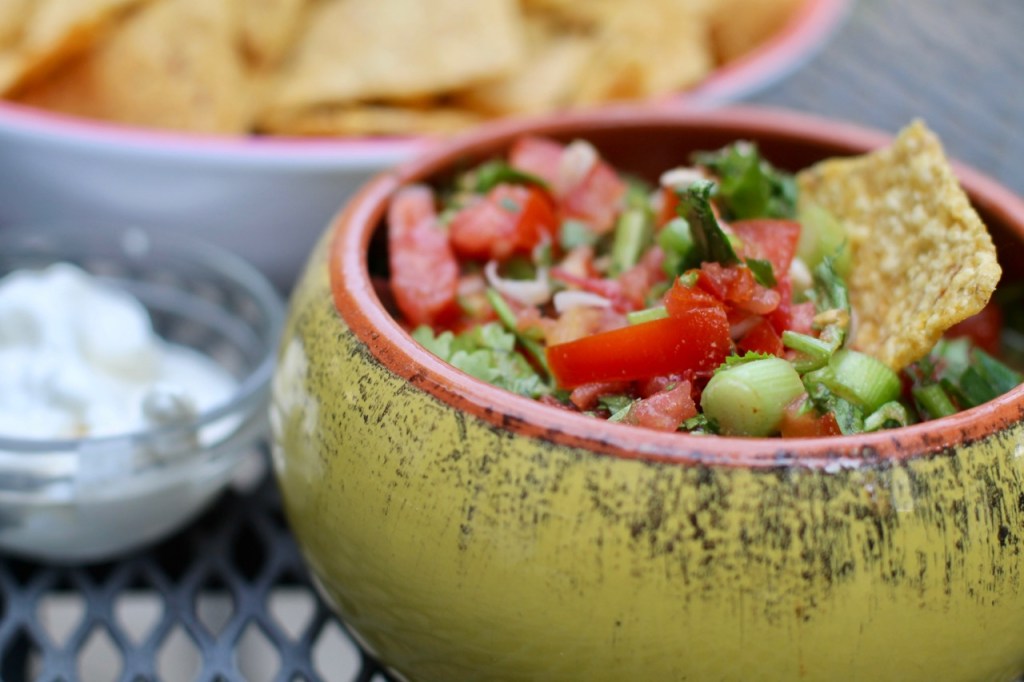
Salsa is one of my favorite sauces. It is easy to make as it takes less than 10 minutes to prepare. You can spice up many dishes with it and it can be made of course as spicy as you like it.
The most important ingredient is the tomato. You will need ripe, soft and tasty tomatoes. My favorite heirloom tomatoes are not ready yet but I find the hydroponic tomatoes a nice alternative. If you don’t have fresh tomatoes, you can use canned tomatoes, of course the results will not be the same. Also, I personally just use the tomatoes as they are and don’t remove the skin or the seeds.
RECIPE
Ingredients
3 medium sized tomatoes, cored
1/2 of a small red onion, chopped
3 scallions, chopped
1 garlic clove, crushed
juice of 1 lime or lemon or 2 Tbsp white vinegar
1 tsp ground cumin
1 tsp coriander powder
salt, to taste
handful of cilantro,chopped
1/2-1 fresh chili pepper or jalapeno pepper, chopped (to taste)
Directions
Chop up the tomatoes. I prefer using a very sharp knife. You can use a food processor but your salsa will be more liquidy and in my opinion not as strong tasting.
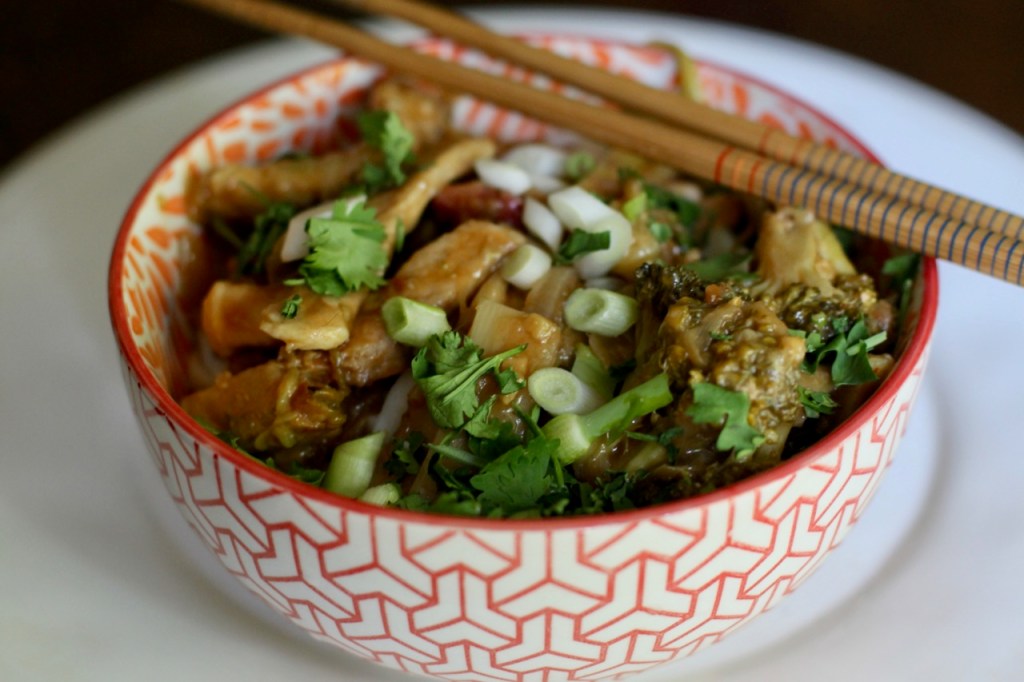
In the United States and Europe, rhubarb is known as the pie plant and in fact we tend to use it in sweet dishes. However, in Asia, it is more used in savory dishes. Today, I’m presenting a savory dish that was inspired by a blog. The rhubarb gives the sour taste that is balanced out nicely with the sweet and hot Chinese sauce and the bitter bamboo shoots. I chose broccoli as the main vegetable for the dish. If you prefer a vegetarian alternative, please check out my previous recipe that is a similarly made with tofu.
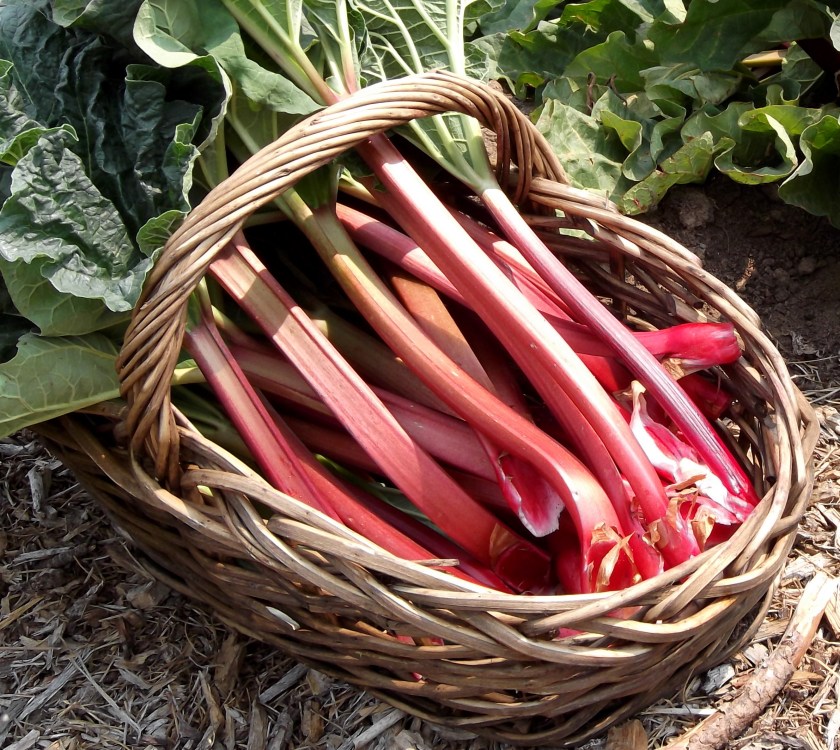
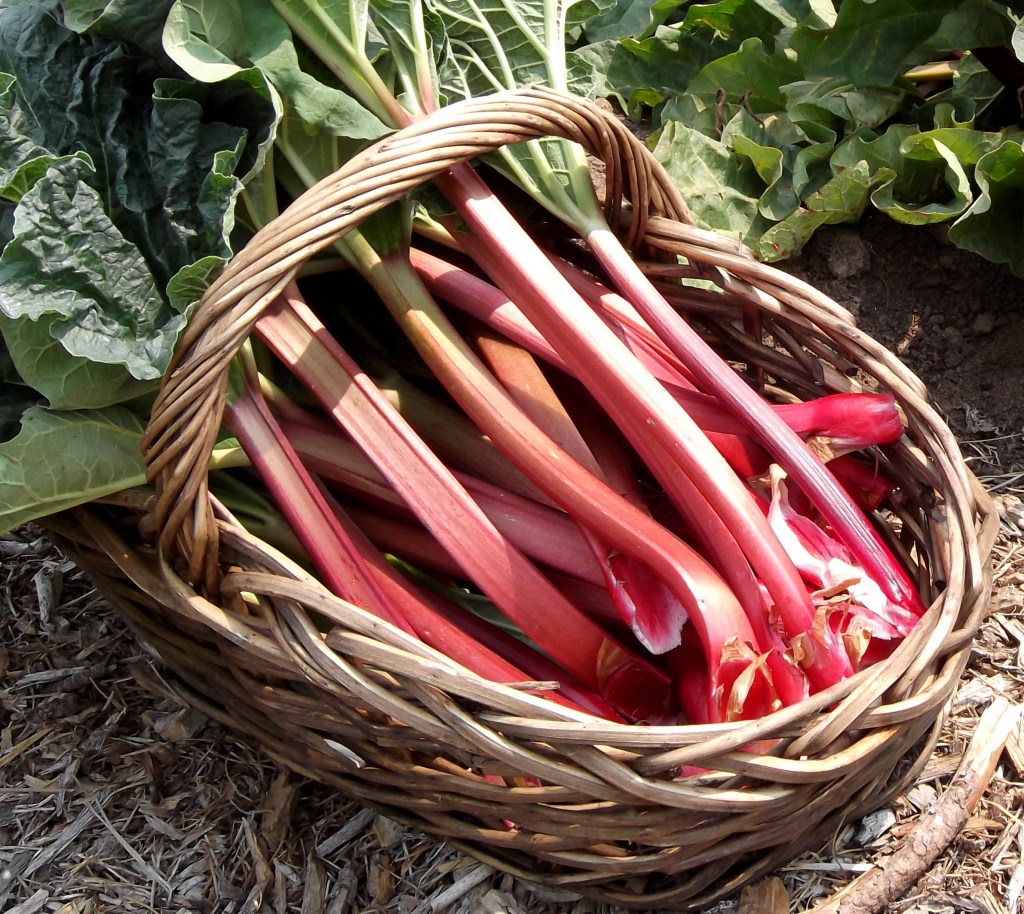
Rhubarb is everywhere here in the Midwest right now. It is almost ready in my garden but it has been available for a few weeks at the farmers’ market for sure. It is actually a healthy plant. Rhubarb has favorable health effects in the spring and the summer as it is cooling and detoxifying to the liver.
So what’s up with the ketchup? Is it Chinese? … I think of American cooking when I hear the word ketchup but in fact it originated from China. It is basically a sweet and tangy sauce made with tomatoes, sugar, vinegar and spices. It actually means fish sauce as they traditionally added fermented fish sauce to it. For this recipe, we just need the basic ketchup so go ahead and just use store-bought ketchup – unless of course you want to make it yourself.
This is a very tasty dish! I really wanted to make a dinner with rhubarb and I found this recipe. I made a few changes to suit my taste. I cut the pork into long strips instead of squares. I replaced the green peppers with broccoli or you can use both. Also, I wanted to bring in more of the bitter flavor so I added bamboo shoots to offset the sourness of the rhubarb. For garnishing, I also added peanuts to get a bit of crunchiness. I think this is a fabulous recipe with an interesting twist to the usual sweet and sour pork dish that is served in restaurants with pineapples.
RECIPE
Ingredients
300 g pork fillet, cut into thin long stripes or 1 inch cubes
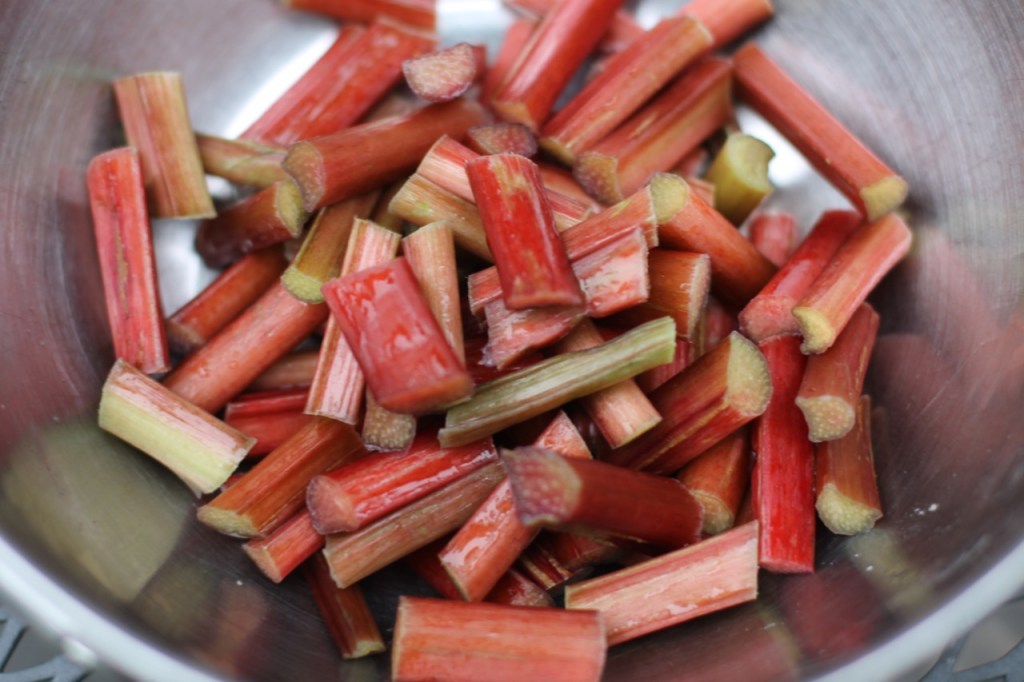
About 3 medium stems of rhubarb (200 g) cut into 1 inch batons – please use a scale
1 Tbsp brown sugar
1 large onion, peeled, halved and cut into thin slivers
2 heads broccoli
1 thumb of ginger, peeled and chopped (1 Tbsp)
sesame oils
1 small can of bamboo shoots
rice or rice noodles
Marinade
1 Tbsp soy sauce
3 Tbsp rice vinegar
1 tsp honey
1 garlic clove, peeled and crushed
1 Tbsp grated ginger, peeled
1 Tbsp corn starch
Sauce
2 Tbsp tomato ketchup
4 tbsp rice vinegar
1 tsp honey
1 Tbsp sesame oil
2 Tbsp soy sauce
1 Tbsp cornstarch
1 cup water
5 cloves garlic, finely chopped
Garnish
1 spring onion, finely sliced
1 red chili pepper, finely chopped (optional)
cilantro
handful of chopped peanuts
soy sauce
Instructions
twincitiesherbs.comtwinctiesherbs.com
Prepare rice according to its instructions. I used rice noodle last time.
Cut the pork pieces into longer (2 inches) thin (half inch) stripes. You can do squares too but the Chinese do long stripes traditionally.
Whisk together the marinade ingredients, add the pork, cover well and set aside for at least a half an hour or up to a couple of hours.
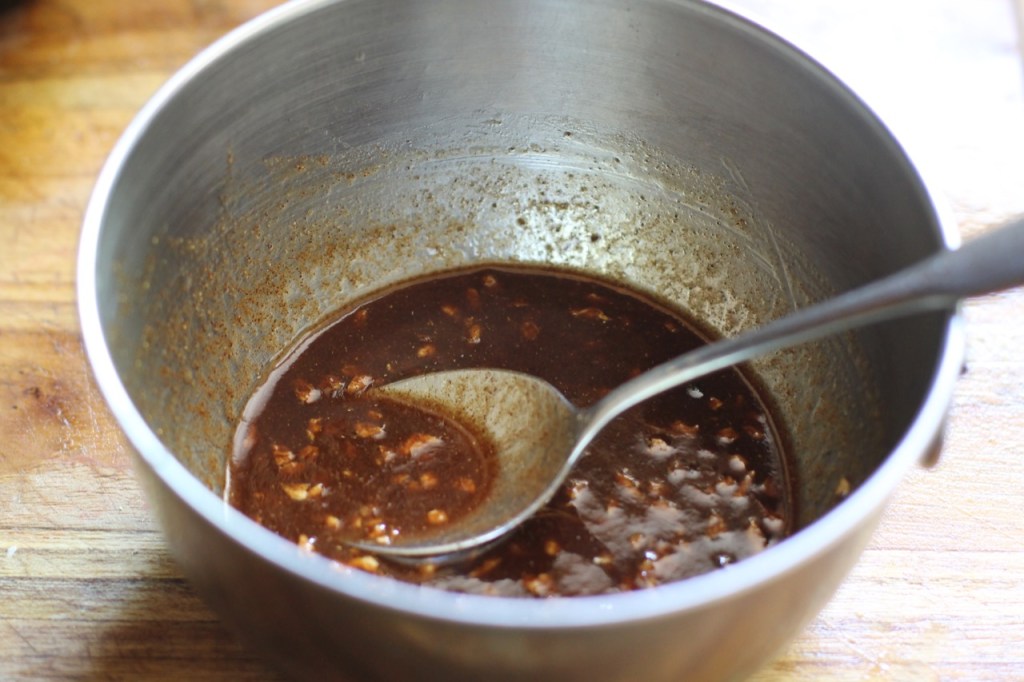
In another bowl, whisk together the sauce ingredients. Cover and put aside.
Heat oil in a large frying pan and add the rhubarb batons in a single layer. Cook for about a minute and a half and keeping them moving. Add a heaped tablespoon of soft light brown sugar, toss and cook for about minute more. You want them to have tenderized but still to have some bite. If they start breaking up, you’ve gone too far. Whip them off the heat immediately. Scoop into a bowl and set aside.
Take the pork out of the refrigerator, pour off the marinade and dry with a towel.
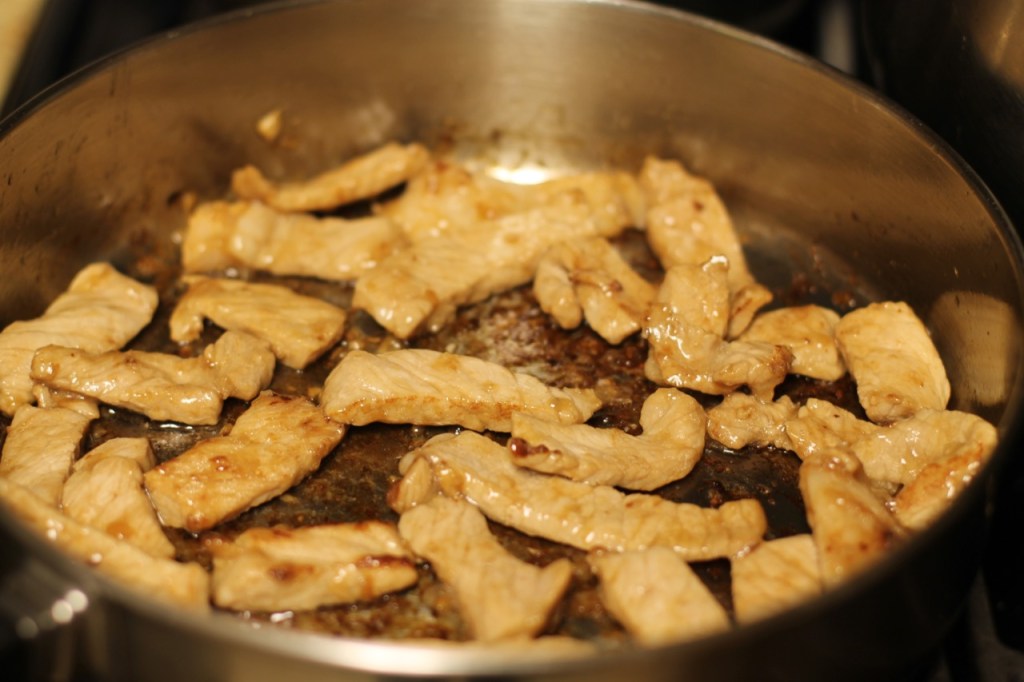
Put a tablespoon of vegetable oil in a wok and stir-fry the pork on a medium-high heat for three or four minutes, until golden brown. Remove and keep to one side.
Make sure you’ve prepped all the vegetables before you start cooking the main event, because they will cook fast.
Saute the sliced onion until translucent. Add the ginger and the broccoli. Continue sauteing for about 5 minutes on medium high heat. Cook until it is crunchy. Give the sauce (from above) a quick whisk, then pour it into the pan. Add the rhubarb and the bamboo shoots and bring to a boil, reduce the heat and simmer for three or four minutes until thick. Add the pork and toss and coat well until the pork is warm.
Add soy sauce and chili pepper if needed.
Serve over rice, garnished with the sliced spring onion , cilantro, nuts.
Here is the season that we have been waiting for since the winter solstice! In the spring, we witnessed the buds emerging on the plants and maturing into full grown plants … oh and the days getting longer and warmer. Now finally we can appreciate what nature can give: warmth, light and food. This is a great time to get outside and socialize. You can travel and eat the abundant fruits and vegetables or just have fun. Also, we can take an advantage of all the gorgeous flowers blooming outside.
In Chinese Medicine, each season is associated with a natural element so summer’s element is Fire. Also, each element has corresponding Western organs. The Western organs of the Fire element are the Heart and the Small Intestines and in addition, the Pericardium and the Triple Warmer are included. Also, this element contains the Mind that might be a rather difficult concept for Westerners. (I capitalized the organs because in Chinese Medicine, it is more like an organ is considered to be the organ itself and its energetic functions).
One of the elements in nature is Fire, in fact, it is probably the most important one for our survival. Fire or warmth is essential to keep the body going, our metabolism and our whole body depends on it. According to Karl Jung, Fire is needed to have clear perception. Also, “psychotherapists believe that ‘cooking’ is important for meaningful changes to occur in their patients”. In fact, “throughout the history of humankind, the symbol of Fire has always been synonymous with life”.
Element: Fire
Organs: Heart-Mind, Small Intestines
Sense:
Color: red
Taste: bitter
Supporting flavors: salt, cooling pungent
Emotion: joy
Evil: Heat
In Chinese Medicine, the Heart, the Emperor of our body, is not necessarily treated directly as it depends on the other organs for its nourishment. Basically, you are to take care of your body in order to keep the heart healthy. For prevention, we are supposed to attend to all the other organs all year around to help the Heart function properly.
It is believed that if the Heart is not happy, nobody is happy. So let’s see what would be ideal for a happy heart. The heart needs to be warm, neither cold or hot. The biggest issue during the summer months is the heat so avoid getting overheated during the summer and avoid weakening the digestive Fire. In general, we should be eating cooling foods like all the summer fruits and vegetables but paying attention to our digestion too. For instance, the Chinese eat mung beans to keep the body cool but these beans are also cooked.
Let’s look at how we can nourish the Heart. All cooling foods especially the brightly colored fruits and vegetables are great. In Chinese Medicine, the red color is associated with the Fire element. It is believed that consuming foods that are red (watermelon, strawberries, red beans, goji berries, red peppers, chili peppers, hibiscus flower) and heart shaped foods (chickpeas) are beneficial for the heart.
Another factor that can influence our Heart is our emotions. Emotions out of balance can negatively effect the Heart. Furthermore, the Heart’s energy tends to move downward from the Mind that the bitter flavored foods support. However, avoid eating too much bitter foods in the summer as this flavor tends to be drying. Moderation is the best! (Summer bitter foods include all whole grains, bamboo shoots, celery, dill, lettuce).
The Small Intestine helps the body sort through important information and toxic information. So the healthy Small Intestine helps us in letting go of unneeded things in our life and by the same token an unhealthy Small Intestine will accumulate toxins leading to the pollution of our body, mind and spirit.
We can certainly nourish the small intestines with food. It is part of the elimination system so food would be important. Fiber rich foods will make the intestines work more efficiently and hence result in a more efficient absorption of nutrients. Foods like nuts and seeds can supply this necessary protein and fiber. Of course, any kind of whole grain is helpful as well in providing fiber.
In addition, it is summer, so we can take an advantage of all the fruits and vegetables, they are an excellent source of fiber. Probiotics such Lactobacillus and bifidobacterium can be beneficial for the small intestines as well which can be found in yogurt, kefir and fermented foods.
Also, to help calm the mind and deal with the heat of the summer, it is recommended to eat a more simple diet with light foods and avoiding complicated dishes. Oyster shells, whole grains, mushrooms, barley, oats, cucumber, basil, mulberries, lemon, ghee are especially useful.
The flavor of the summer is bitter and it is recommended to eat bitter foods because it brings energy from the brain, the mind down to the lower part of the body. (Summer bitter foods include all whole grains, bamboo shoots, celery, dill, lettuce).
To work with the summer season, mainly its heat, we need to make some changes to our cooking methods. Of course, eating some raw foods is great; however, cooking some food is still recommended supplementing the raw foods. Cooking should be quick on high heat. Add hot, pungent foods to your meals. In hot climates, it is customary to add lots of hot peppers to open up the pores and release the excess heat from the body. (Of course, this should be done with some caution as too much hot pepper can injure the stomach). Also, try to minimize heavy foods to avoid sluggishness.
This is a great time to be active, spend time outside and socialize. The biggest issue during the summer is heat. Our diet and life style should support the body so we can stay cool, while paying attention to our digestion. We naturally want to eat raw fruits and vegetables but in addition consider including some simple, cooked foods during the summer to keep the digestive Fire going. Eating bitter, salty and pungent foods can facilitate the energy of the summer. Also, paying attention to our emotions can be helpful too.
In the United States and Europe, rhubarb is known as the pie plant and in fact we tend to use it in sweet dishes. However, in Asia, it is more used in savory dishes. Today, I’m presenting a savory dish that was inspired by the following blogs: ( blog 1 and blog 2). The rhubarb gives the sour taste that is balanced out nicely with the sweet and hot Chinese sauce and the bitter bamboo shoots. I chose broccoli as the main vegetable for the dish. Traditionally, pork is used but is replaced here with the tofu. In the original recipe, the raw rhubarb is blended in the sauce but I made it more traditionally sautéed like the rest of the vegetables.
For the meat version of this dish, please, see this recipe.
Recipe
Serves: 4 people
Ingredients
500 g tofu
2 tsp + 3 Tbsp honey (or replace with agaste sauce for a vegan option)
1/4 tsp five spice
chili flakes to taste
Sesame oil
3 Tbsp sake
3 Tbsp rice wine
3 Tbsp graded ginger
3 Tbsp soy sauce
5 large cloves garlic
200 g of rhubarb stalks (about 3 smaller or 2 bigger stalks)
2 large heads of broccoli
1 large onion, thinly sliced
1 can (8 oz / 225 g) of bamboo shoots, drained
handful of peanuts, chopped
4 scallions, chopped
lime
cilantro
rice or rice noodles
Ingredients listed as used in groups
Rice or rice noodles
Marinade/tofu: 2 tsp honey, 1/4 tsp five spice powder, 1/4 tsp red chili pepper flakes (optional), 1 Tbsp sesame oil, 3 Tbsp rice vinegar, 3 Tbsp sake, 1 Tbsp soy sauce, 500 g tofu.
The sauce: 5 cloves garlic, 3 Tbsp honey, 3 Tbsp soy sauce, 1 Tbsp ginger, 1/2 tsp red chili flakes (or to taste).
Vegetables: 200 g (3 medium sized) rhubarb stalks, 1 large onion, 2 heads of broccoli, 1 can of bamboo shoots.
Toppings: handful of chopped peanuts, 4 scallions, small handful coriander, soy sauce and limes.
Directions
The rice. Make the rice of your choice. I used sushi rice.
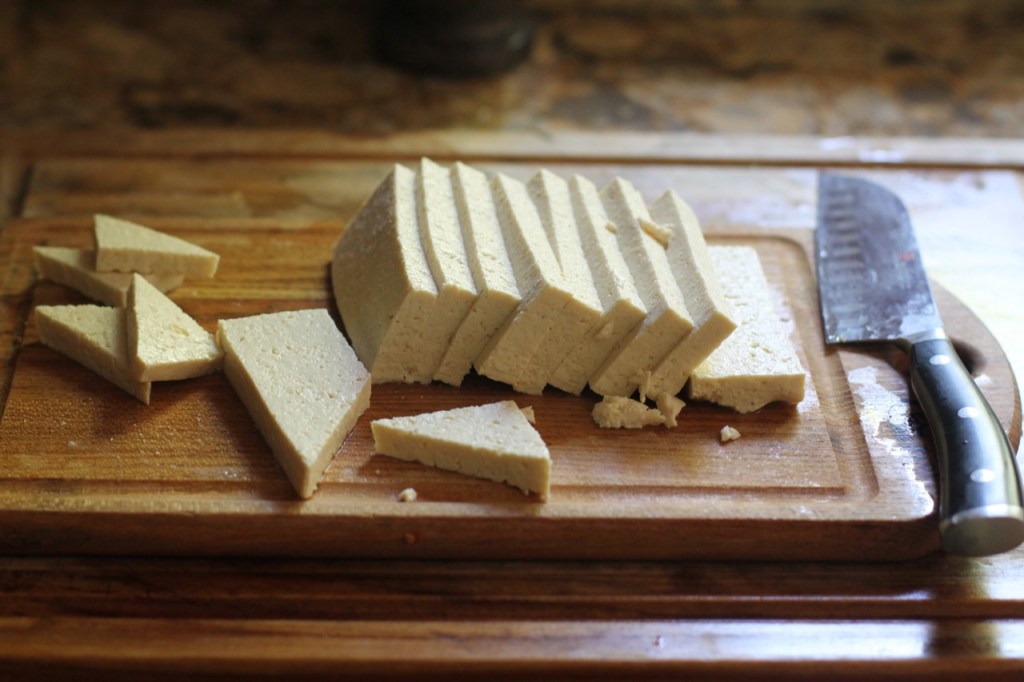
Cut up the tofu so it is about 1 cm / 1/2 inch thick. I made triangular shapes but rectangular or square shapes are fine too.
Mix the ingredients of the marinade in a small bowl and pour it all over the tofu. Cover and put it in the fridge for at least 1 hour.
Make the sauce. Put all the ingredients in a blender and mix to get a nice sauce. Set aside.
Take tofu/marinade out of the fridge and strain off marinade. Pat dry tofu with a towel. Sauté tofu slices in small amount of oil for about 5 minutes on each side. Cover and set aside.
Cut up the vegetables. Thinly slice the onions, cut up the broccoli flowers. Cut rhubarb diagonally in 2-3 inches length. If stalks are bigger, cut them in half first.
In a larger pan or wok, heat sesame oil, add rhubarb batons in a single layer and cook for about 1-2 minutes while stirring to make sure all sides cook well. Make sure you don’t over cook rhubarb, they should be firm and not mushy. Add 1 Tbsp sugar and cook for 1 minute. Take off heat and set aside.
On medium high heat, sauté the sliced onion for about 10 minutes until translucent. Add the broccoli and continue sautéing on medium high heat for about 5 minutes or until it is soft but still crunchy. Add the sauce made earlier. (Quickly whisk, then pour it into the pan). Add the rhubarb (that was set aside from earlier step) and the bamboo shoots and bring to a boil, reduce the heat and simmer for three or four minutes. Add the tofu and toss and coat well and cook until the tofu is warm.
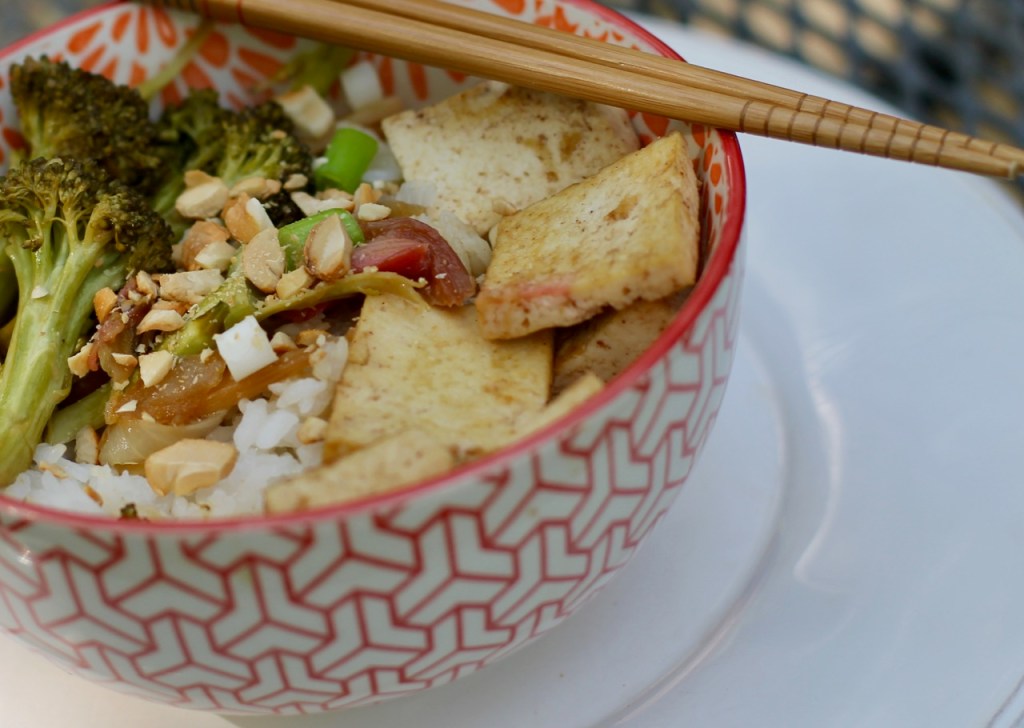
Serve on rice with chopped cashew nuts, chopped scallions, cilantro, lime wedges and soy sauce.
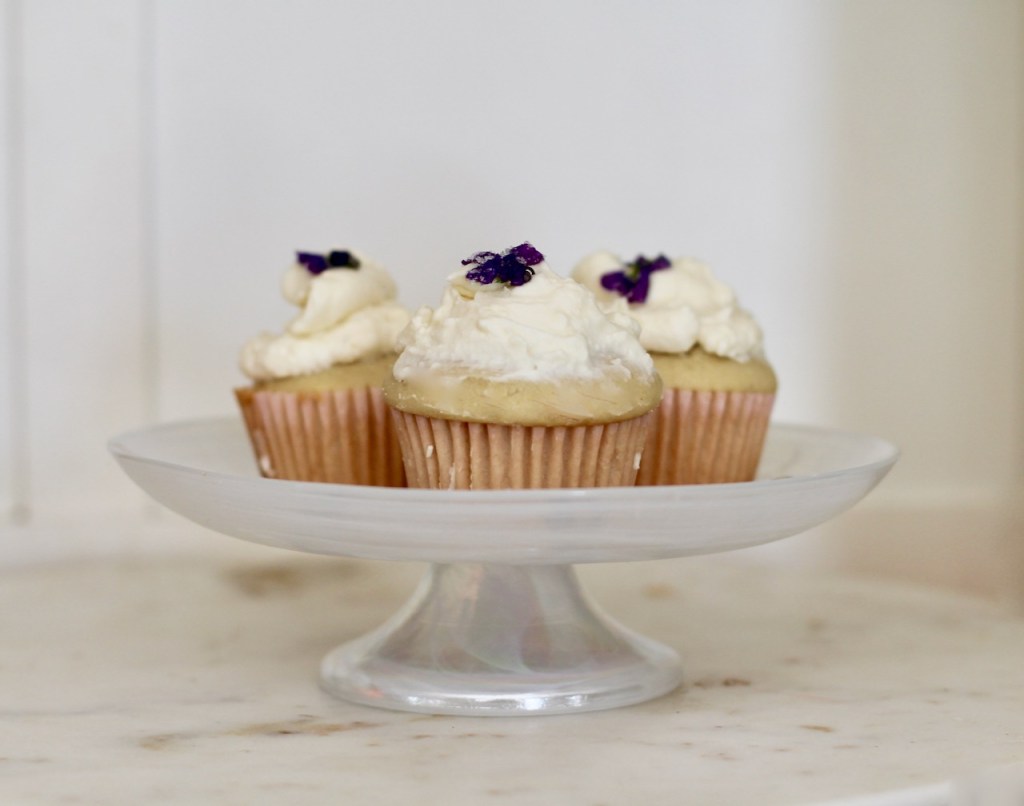
The beautiful violets are springing up everywhere in the Midwest, in the meadows, on the forest floor and if you are lucky in your back yard. They are not just beautiful but are edible too. Violets are a great source of food for butterflies and people as well. There are so many things you can make with these flowers. Today, I will make crystallized violets that can be used to decorate our cupcakes.
You will need violet flowers for this recipe. Violets can be found in many places. If you can’t find them outside, you can get potted ones at stores, just make sure they had not been sprayed. You can make about 80 flowers with the one egg white. I picked about 15 – 20 violets at a time because it is better to work with the freshly picked plant material. The flowers do not need to be washed, just make sure you pick them from a clean place free of pesticides. When I pick the flowers, I like to leave a 1″ green stem so I can handle the flowers easier while working with them. You can remove the stems at the end.
If you plan on eating the candid violets, you have to use fresh eggs. You can do the fresh egg test to see if your egg is fresh. Immerse the egg in a pot of cold water and see if it stays flat on the bottom of the pot. It any of the sides move up or the egg moves to the surface of the water, the egg will not be suitable for eating. You can still use that egg just don’t eat it. Only use fresh eggs that will stay flat on the bottom of a pot when immersed in water if you plan on eating the violets.
Recipe for the candied violets
INGREDIENTS
about 80 organic violet flowers with 1″ stem if possible
1 egg white
1-2 tsp water
about 1 cup of fine white sugar (you can use regular white sugar and grind it quickly in a blender. Just a few pulses before it becomes powder).
DIRECTION
Separate the egg white and put it into a small bowl. Add the water to make it more workable. Lightly beat.
Measure out the sugar. 1/4 cup is enough for the first round. Use more for the additional violets.
Go and pick the violet flowers, about 15-20 at a time. I like to leave a 1″ stems on so the flowers can be handled easily later.
Using a paint brush, ‘paint’ the egg whites on the flowers. I like to put the egg white on the back first and sprinkle with sugar and do the same on the front side. Just make sure you cover the flower material well with the egg white and the sugar on both sides.
Place the prepared flowers on a sheet of wax paper and let it dry for about 6 hours. I like to occasionally move the flowers to prevent them from sticking.
You can cut off or just pinch the stems off the flowers any time.
After they are dry, put them in the fridge in an air-tight container. Refrigerated flowers are edible for 1 week and can be stored for 1 month.
1 1/4 cup of cake flour or check out source on how to make cake flour (how to make cake flour)
1 1/4 tsp baking powder
1/2 baking soda
1/2 tsp salt
2 large eggs
1/2-3/4 cup of sugar
1 1/2 tsp vanilla
1/2 cup of vegetable oil
1/2 cup of buttermilk or plain kefir at room temperature
Ingredients for the icing
8 oz cream cheese at room temperature
1-1 1/2 cup of cold heavy whipping cream
1-1 1/2 cups powdered sugar
1 Tbsp vanilla extract
Directions for making the cupcakes
Preheat oven to 350 F.
Butter a cupcake/muffin pan or line with cupcake liners.
In a medium sized bowl, whisk together the flour, baking powder, baking soda and salt. Set aside.
In a bowl, beat the eggs for 15-20 minutes. You can use an electrical mixer on medium high speed.
Add the sugar slowly and continue to beat for another 30 minutes on medium high speed.
Add the vanilla and the oil and beat for 1 minute on medium speed.
Add half the flour mixture from the earlier step and beat on slow medium speed until incorporated. Add half of the buttermilk and mix until incorporated. Repeat with the remaining flour and buttermilk. Beat shortly until just combined and smooth, scraping down the sides of the mixing bowl as needed. The batter should be thin.
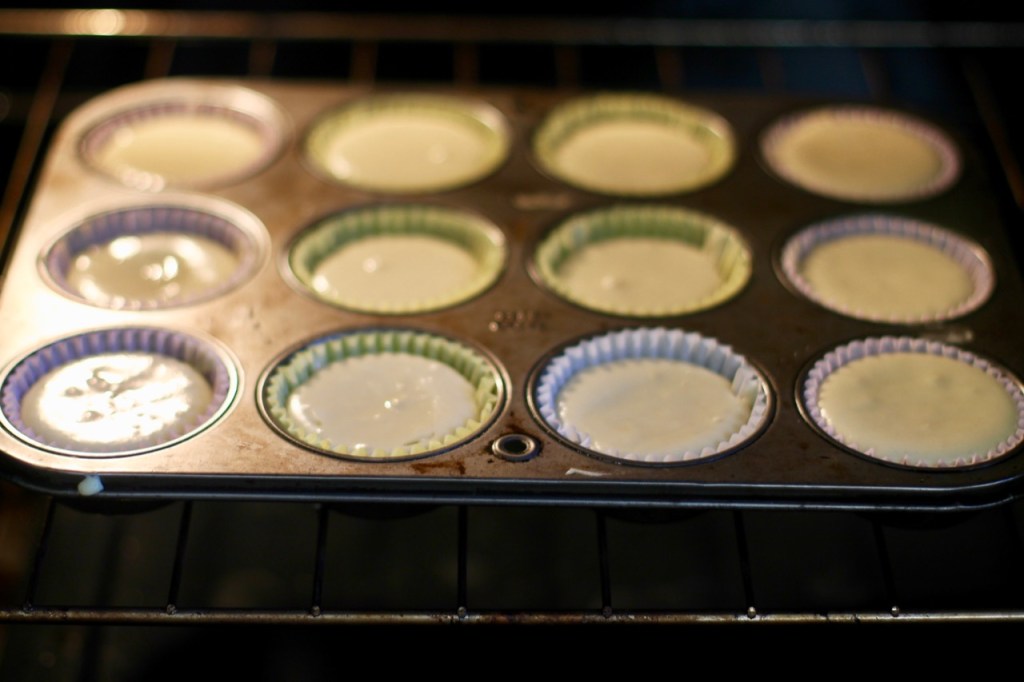
Pour batter into muffin pan. Divide evenly.
Bake for 12-14 minutes in the pre-heated oven.
When cooled and are at room temperature, you can pipe on the frosting. See the frosting recipe below, please.
Directions for making the frosting
Whip the cream on high speed until thick, fluffy and spreadable (1-2 minutes).
In a different bowl, beat the cream cheese and the powdered sugar together starting at a low speed. When mix together, add the vanilla extract.
Fold the whipped cream gently into this mixture. Store in the refrigerator if not ready to use.
Text, photo and recipe for candied violets by twincitiesherbs.com
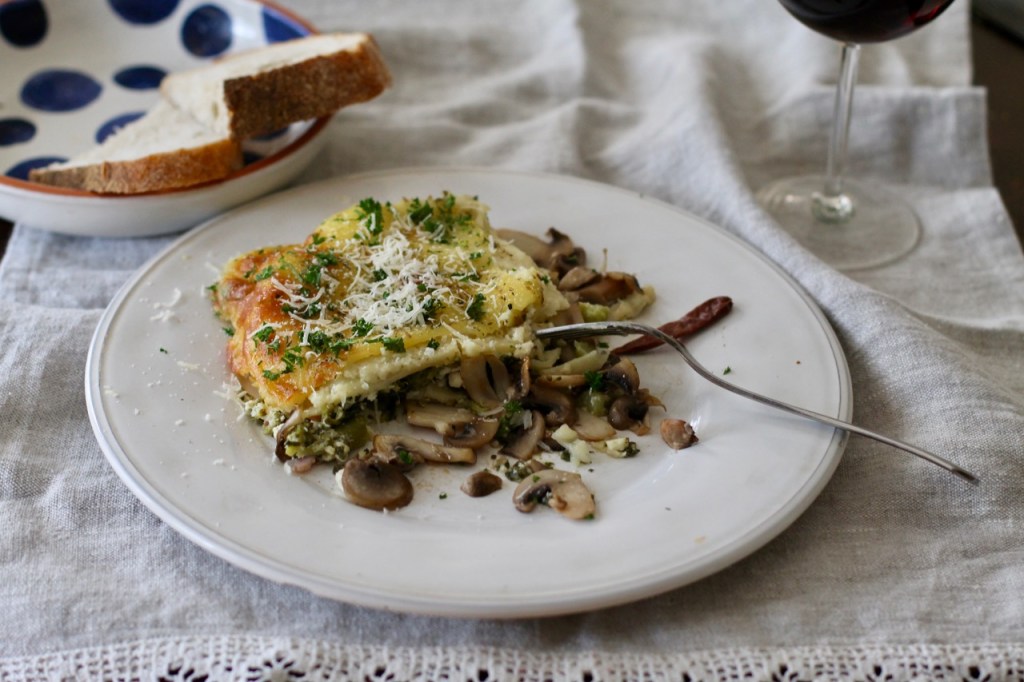
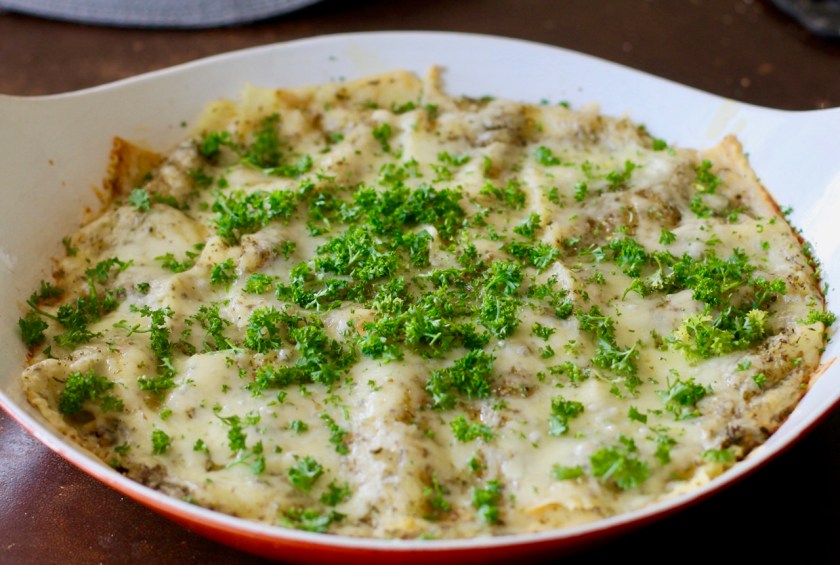
I have been making lasagna recently quite a bit. It is not too hot outside yet so I can turn the oven on but we want something on the lighter side too … so this dish seems to fit the bill. Of course, you can make it any time of the year. Lasagna is an Italian specialty. Traditionally, it is made with layers of tomato sauce based ragu, cheese and béchamel sauce. In this dish, I replaced the meat with spinach, mushrooms and cheese. I served it with red wine that seemed to compliment it very nicely.
Spinach is a great vegetable for the spring, it is hardy and nourishing for the liver.
Of course, an important part of the lasagna is the pasta. The best is if it is home made but good, high quality packaged pasta will do too.
Also, the cheese is also important. Try to get the best quality you can afford. Honestly, when I was in Italy, the first thing that I noticed was how tasty the cheese was in their dishes. I like to use a mixture of cheeses, here I used fresh mozzarella cheese balls, feta cheese and Parmesan cheese.
I make my own Italian seasoning but of course any store bought mix would work too. I think this is a nicely balanced mixture of spices grown in Italy. They are carefully selected herbs so one herb will not overpower the other. Also, they all are carminative therefore will help with digestion. Historically, we can thank the ancient Greek doctors who added these herbs to dishes so people can get their benefits all year along.
The warming, aromatic oregano is the key ingredient in pasta dishes. I like to use it because it gives a nice, distinctive flavor to Italian dishes. The sweet fennel seeds are acrid and compliment the strong aromatic oregano in the dish. The delicate basil is probably the most loved and popular spice used in Italian cooking. If you can, try to use the fresh plant instead of the dried. Its aromatic flavor is a nice addition to any Italian dish. The pungent chili pepper is not a big part of the Italian cuisine but Italians enjoy adding a little to their pasta dishes. The oregano and the fennel seeds both can offset the heat of some stronger spices.
Italian seasoning
2 TBSP (6 tsp) dried oregano
1 tsp dried basil or handful of fresh basil
2 tsp ground fennel seeds
1/8 tsp black pepper
1/4-1/2 tsp hot red pepper or to taste (optional)
RECIPE
Serves 6-8 people
Ingredients
lasagna pasta (I used 10 strips)
16 oz spinach (frozen is fine too)
4-8 oz chopped up mushrooms
olive oil
2 slices of bacon, sautéed (optional)
1 cup of tomato sauce – divided
8 oz of Parmesan cheese, divided
16 oz fresh mozzarella balls
8 oz (200 g) of feta cheese
1 Tbsp of Italian seasoning plus more for the top
handful of fresh basil leaves (if you have them)
3 cloves of garlic
1 egg, lightly beaten
Bachamel sauce ingredients
5 Tbsp of butter
1/2 cup of flour
2 cups of milk
salt and pepper to taste
1/8 tsp freshly grated nutmeg
1 egg
Rosso Piceno wine. Bottled by Saladini Pilastri 2018 (optional) It is the best and not expensive!
parsley leaves (chopped)
Directions
Start boiling the water for the pasta (omit if your pasta does not need to be boiled).
Preheat the oven to 400 F and have the rack in the middle of the oven.
Start boiling the water for the pasta. Prepare according to instructions.
Making the filling: In a pan, sauté bacon (optional) and mushrooms in a little oil for 5- 10 minutes. Transfer into a larger bowl. Meanwhile wash and take stems off the spinach. (If using frozen spinach of course no need to do it). Sauté in a little oil and water. Remove and try to drain off water. Chop spinach well and transfer into the bowl. Add mashed feta cheese, mushrooms, 1 egg, garlic, 1 Tbsp of the Italian seasoning (see recipe above). Add sautéd bacon if used. Mix. set aside.
Preparing the béchamel sauce. It is not too hard, just follow these steps. I used a whisk. Use a double boiler. In the top pot, warm up 5 Tbsp of butter on low heat, when melted increase the heat to medium high and add the flour slowly, stirring continuously. Then start adding the milk very slowly, stirring after each addition and wait for a minute to let the flour mixture soak up the milk. When you start seeing bubbles, it is done. Remove it from the heat. Grate some nutmeg, add 1/2 cup of Parmesan cheese and 1 egg. Mix well.
Assembling the lasagna: Put half the tomato sauce on the bottom of a 3 Qt size baking dish. Place 1 layer of the pasta strips on the bottom of the pan. Put the filling on top of the pasta, followed by the fresh mozzarella balls (cut up if using the larger balls), pour the béchamel sauce and top it all with another layer of the pasta. Spread some pasta sauce and the shredded Parmesan cheese on the top.
Turn the oven heat down to 375 F and put the dish in the oven. Bake for 30 – 35 minutes or until the top is nice and golden brown.
Serve hot with a little grated Parmesan cheese and fresh parsley on the top. I really enjoyed a glass of red wine with the dish. It felt like I was in Italy! I would recommend a bottle of red wine if you are looking for one to try (please see details above in Ingredients).
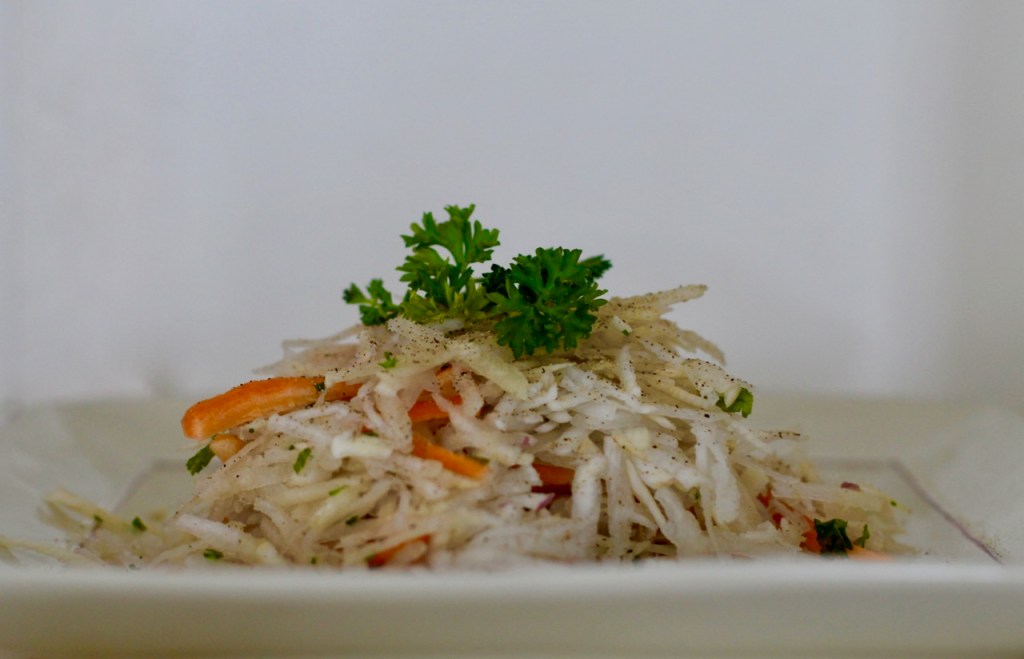
In the Mid-West of the US, early April is the time when it gets really hard to eat local vegetables. There is nothing out there growing yet. But wait there are some crops from last fall like turnips … in fact raw turnips make a great spring salad. Past few weeks, I have been adding grated raw turnips to all my dishes. I have to admit it felt great to eat something raw. Try this simple salad, you can add a little olive oil, black pepper and carrots but honestly I often eat it just as it is, nothing added.
Turnip (Brassica rapa var) is a member of the mustard family that grows in temperate climate around the world. It has a neutral thermal energy and is slightly sweet, bitter and pungent … just what we need right now in the spring. It is especially high in fiber, nourishes digestive tracts and helps detoxify the body. It is considered to be high in many essential nutrients and minerals. Sounds like a super food to me …
RECIPE
Ingredients
1 lb of turnips, medium or larger size
carrots, strips (optional)
1 Tbsp olive oil (optional)
freshly ground black pepper (optional)
1 Tbsp of lemon juice (optional)
Directions
Clean, peel and grade the turnips. For grating, I use the largest hole of my cheese grater.
Cut up carrots into thin trips.
Add into a bowl. Serve with olive oil and black pepper if you wish.
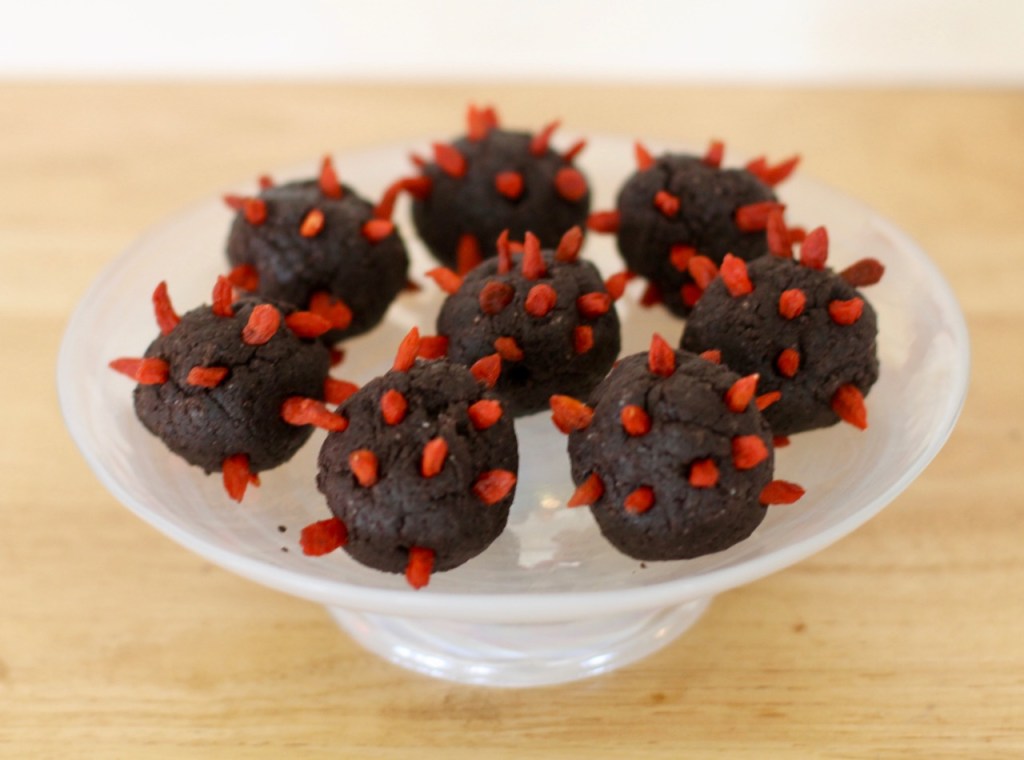
Honestly, this is just too cute to pass … It is not a cure for the corona virus but might help your kids, the young ones and the older ones alike, get through the quarantine time. Oh and the oreo cookies should be still available in the grocery stores. Recipe is from Rozina’s kitchen.
RECIPE
makes 11 truffles
INGREDIENTS
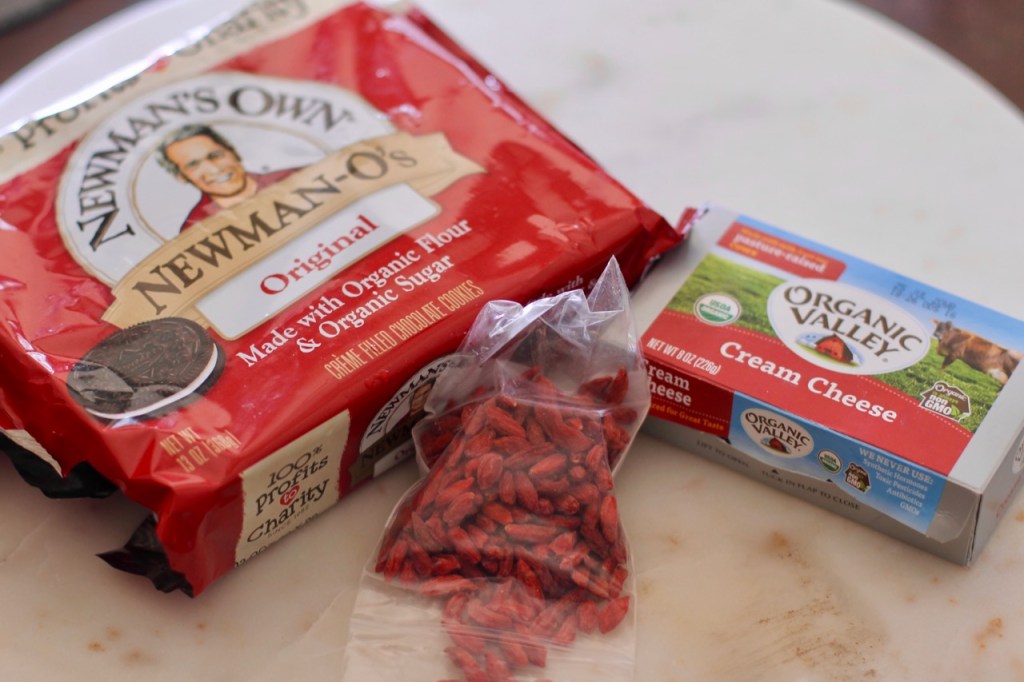
24 Oreo cookies
113 gram cream cheese
handful of goji berries or cranberries
METHODS
Have cream cheese at room temperature.
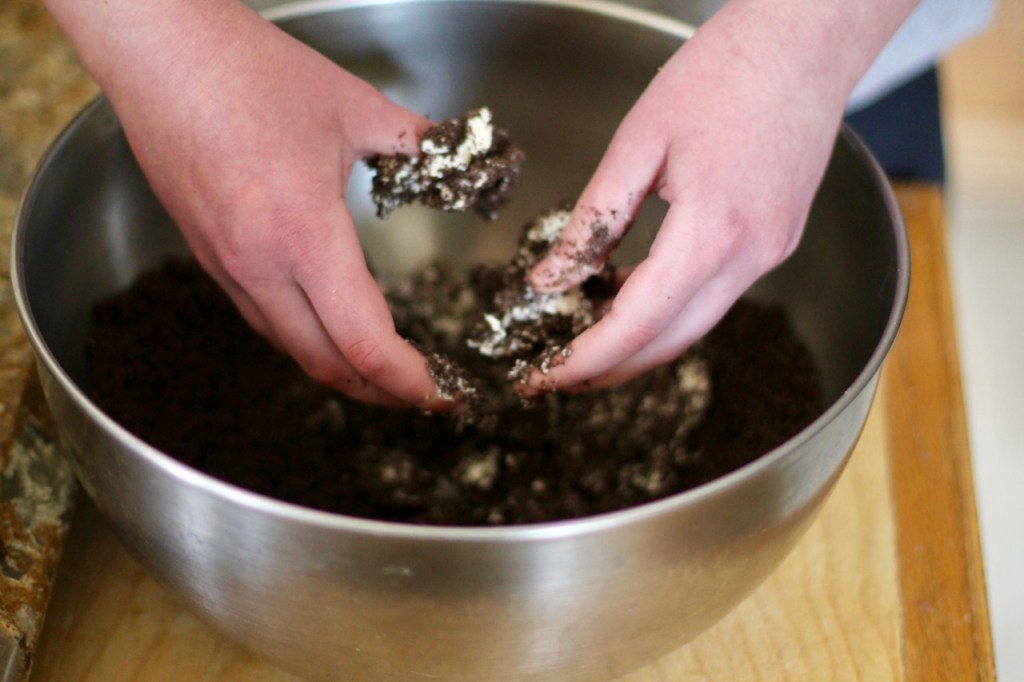
Grind the Oreo cookies into a fine powder consistency. You can use a food processor or a rolling pin.
Work the cream cheese in with the Oreos.
Form smaller, 2″ balls with your hands.
Stick goji berries into the truffles.
We refrigerated the balls for a half hour before serving.
First, I would like to express my heartfelt condolences to all the people whose loved ones have been effected by this virus. May God be with them.
People react to crisis differently. Some people start to hide, others worry about the stock market and then there are those who want to help others. So I’m in the third group and have been thinking to write about what to do during this pandemic. I’ve been contemplating to write this blog for at least a month so here I go finally. I know my blog is all about food in general but after all I don’t have a boss who tells me what I can do. I really would not want to offend anybody or push ideas on others but I’m hoping my writing will help someone.
We are experiencing something new, a game changer for sure these days. I feel it is quite uplifting that we are all doing the same thing. It is hard to believe that we are dealing with the same issues on the entire Earth but at the same time it is a bit eery that the whole world is in a lock down …
There has been an interesting phenomena since people have heard about the pandemic … the toilet paper shortage… What is the deal with toilet paper especially that the virus does not necessary cause diarrhea? … and it is not just the Virgos who are doing it. This got the attention of many psychologists too. Here is my take on it …. People got so scared and wanted to do something, just anything to protect themselves. In fear, people started running to the stores buying toilet papers.
So I would like to write a blog on what people could do in addition to buying toilet papers and now this leads me back to the original mission of my blog … using natural foods to stay well and be happy. I would like to take the opportunity to do a blog on what to do for the immune system at an energetic level. It is not an easy concept though in our culture.
But before I do that, let’s talk about the nature of this virus quickly. From an energetic perspective, it is a cold virus that is capable of causing dampness that can lead to toxicity. So what does this mean? Natural Medicine differentiates conditions based on their nature: cold, hot, damp, dry. This is a cold disease that is capable of injuring the warm loving organs the lungs and the spleen. If they don’t work properly, fluids can accumulate so there can be wheezing, shortness of breath, digestion problems, loose stools, vomiting etc. In the third stage, accumulated fluids can start becoming toxic. So keeping the lungs and the digestion healthy would be crucial for a strong immune system. This is based on the reports of Chinese doctors who had treated people with the virus.
So let’s get back to the topic of this post, the immune system. What is the immune system? We can all agree that it is the body’s mechanism to defend against foreign bodies. But what do you do to keep it healthy? Just for the records, currently, modern medicine does not understand how to keep the immune system healthy. So let’s turn to ancient medicine to find out what we can do at the energetic level. According to Ancient Chinese Medicine, the defense system comprise of the lungs and the skin. They are the organs of first line defense that are in contact with the outside world.
In Natural Medicine everything is connected in our body. The lungs further work with the spleen to make this defensive energy so the food we eat is crucial. Of course, healthy kidneys support the lungs and are important to move energy. Then the healthy liver removes the toxins from the body. Of course, if our qi, the life force is not moving efficiently, things can stagnate. Our mental state can influence this entire process, too. A healthy body with a strong immune system is more capable to deal with foreign bodies.
So what can we do?
Relax! Honestly the best thing to do is to stay calm. Try not to panic. If you are stressed, the body cannot work properly. Do things that you enjoy, reading, hiking, dancing etc. Of course, meditation is always great. Fear may effect our kidneys negatively. A fear ridden kidney will not be able to support the rest of the body and we will not be able to war off pathogens as well as a healthy body should. Not to mention that we do things that we later will regret.
Exercise! Exercise makes your lungs work harder. The fresh oxygen is the greatest for the lungs. Try to go outside as much as you can. I see so many more people walking outside than before.
Eat with the seasons! It seems like this virus has made a lot of people start cooking and eating healthy. Try to eat with the seasons and your constitution. Please, check my blogs on the lungs (Metal element) and the spleen (Earth element). Avoid greasy, toxic and over-processed foods. Limit dairy and sweets if you tend to have dampness issues like shortness of breath, cough with sputum, edema, gain weight easily. Remember we are in the spring season (wood element) and are trying to nourish our lungs and digestion. All the carminative kitchen spices for digestion (ginger, caraway seeds, rosemary, thyme, lovage, cumin, fennel) and pungent spices (horse radish, raw turnips, cinnamon, garlic, onions) are great. Foods that help drain, transport dampness are moong beans, asparagus and cranberry juice. Don’t forget the fermented foods to keep the digestive tracts healthy. All my recipes are supposed to nourish the immune system but the best foods for now would be the ones that I have posted in the past 6 weeks.
Stay hydrated! Drink lots of water.
Sleep! Make sure you get as much sleep as your body needs.
Just like with any upper respiratory problem, nourishing the immune system is important. Taking immune system remedies is great but it is also important to deal with individual issues.
Help people in need. This will give an immense boost to our hearts, like I said before, everything is connected in our body.
Of course, none of these recommendations will kill the virus but that is not the goal of Natural Medicine anyway. According to Chinese Medicine, nourishing the immune system in general is important for staying healthy. The ancient Chinese work called Shang Han Lun (around 200 AD) is of significant interest. It discusses cold diseases and is one of the greatest contributions to the world of Natural Medicine. It was composed by Zhang Zhong Jing (142-220 AD). He lost many members of his family during the great epidemics of the time. It was the first clinical manual to systematically describe the pathology of diseases. It also detailed the treatment of diseases caused by invasion of exterior pathogenic factors. In addition, the theories and the formulas extend beyond exterior invasions. They are applied every day for cases without an exterior invasion. Historically, Shang Han Lun’s principles resemble the work of the famous Greek physician, Hippocrates. I wanted to make this connection known.
Hippocrates (460-370 BC) is known today as the Father of Medicine. He lived through one of the worst epidemics of our humanity, the Plague of Athens (430-426 BC). He contributed a great deal to Natural Medicine as well. He observed how diseases progressed in different people. He concluded, “It is far more important to know what person has the disease than what disease the person has.” He recognized the crucial role the immune system played in recovery. People’s constitution was also vital during the epidemics. His great contribution to everyday diet was the addition of the valuable carminative (digestive) herbs that are today known as kitchen spices (garlic, onions, hot peppers, cinnamon, ginger, caraway seeds, oregano, rosemary, thyme, lovage, cumin, fennel). He saw that digestion is crucial for good health and wanted to make sure people would incorporate these herbs on a daily basis.
DISCLAIMER. Please, note that these are recommendations for nourishing the immune system on an energetic level and are not a replacement for medical care from a physician. Also these recommendations are no way a guarantee so you can avoid getting the virus.







 Twin Cities Herbs