Italian spinach/mushroom lasagna (vegetarian)

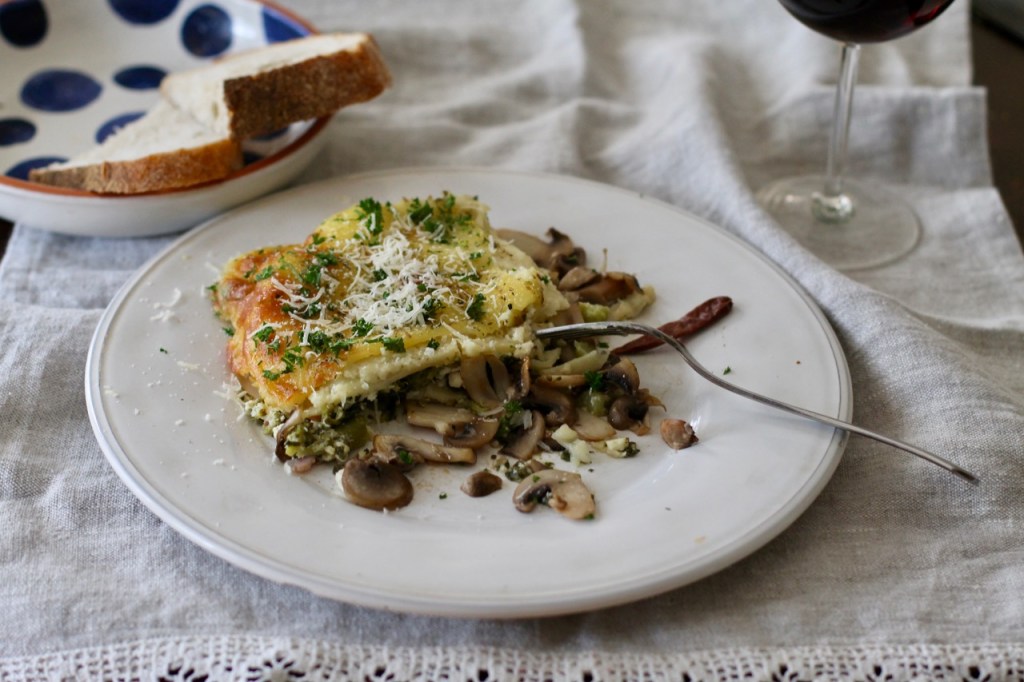
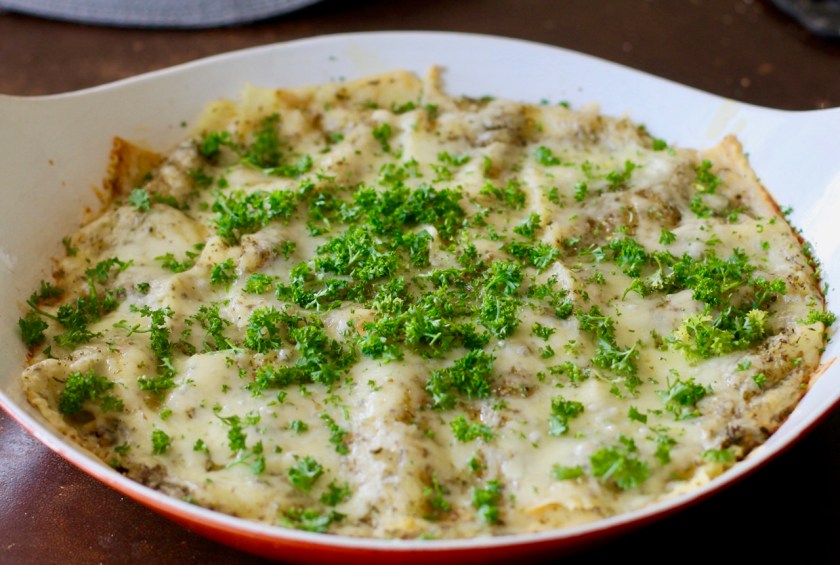
I have been making lasagna recently quite a bit. It is not too hot outside yet so I can turn the oven on but we want something on the lighter side too … so this dish seems to fit the bill. Of course, you can make it any time of the year. Lasagna is an Italian specialty. Traditionally, it is made with layers of tomato sauce based ragu, cheese and béchamel sauce. In this dish, I replaced the meat with spinach, mushrooms and cheese. I served it with red wine that seemed to compliment it very nicely.

Spinach is a great vegetable for the spring, it is hardy and nourishing for the liver.

Of course, an important part of the lasagna is the pasta. The best is if it is home made but good, high quality packaged pasta will do too.

Also, the cheese is also important. Try to get the best quality you can afford. Honestly, when I was in Italy, the first thing that I noticed was how tasty the cheese was in their dishes. I like to use a mixture of cheeses, here I used fresh mozzarella cheese balls, feta cheese and Parmesan cheese.

I make my own Italian seasoning but of course any store bought mix would work too. I think this is a nicely balanced mixture of spices grown in Italy. They are carefully selected herbs so one herb will not overpower the other. Also, they all are carminative therefore will help with digestion. Historically, we can thank the ancient Greek doctors who added these herbs to dishes so people can get their benefits all year along.

The warming, aromatic oregano is the key ingredient in pasta dishes. I like to use it because it gives a nice, distinctive flavor to Italian dishes. The sweet fennel seeds are acrid and compliment the strong aromatic oregano in the dish. The delicate basil is probably the most loved and popular spice used in Italian cooking. If you can, try to use the fresh plant instead of the dried. Its aromatic flavor is a nice addition to any Italian dish. The pungent chili pepper is not a big part of the Italian cuisine but Italians enjoy adding a little to their pasta dishes. The oregano and the fennel seeds both can offset the heat of some stronger spices.

Italian seasoning

2 TBSP (6 tsp) dried oregano

1 tsp dried basil or handful of fresh basil

2 tsp ground fennel seeds

1/8 tsp black pepper

1/4-1/2 tsp hot red pepper or to taste (optional)

RECIPE

Serves 6-8 people

Ingredients

  • lasagna pasta (I used 10 strips)
  • 10 oz spinach (frozen is fine too)
  • 4 oz chopped up mushrooms
  • olive oil
  • 2 slices of bacon, sautéed (optional)
  • 1 cup of tomato sauce – divided
  • 8 oz of Parmesan cheese, divided
  • 16 oz fresh mozzarella balls
  • 8 oz (200 g) of feta cheese
  • 1 Tbsp of Italian seasoning plus more for the top
  • handful of fresh basil leaves (if you have them)
  • 3 cloves of garlic
  • 1 egg, lightly beaten

Bachamel sauce ingredients

  • 5 Tbsp of butter
  • 1/2 cup of flour
  • 2 cups of milk
  • salt and pepper to taste
  • 1/8 tsp freshly grated nutmeg
  • 1 egg

  • Rosso Piceno wine. Bottled by Saladini Pilastri 2018 (optional) It is the best and not expensive!
  • parsley leaves (chopped)

Directions

Start boiling the water for the pasta (omit if your pasta does not need to be boiled).

Preheat the oven to 400 F and have the rack in the middle of the oven.

Start boiling the water for the pasta. Prepare according to instructions.

Making the filling: In a pan, sauté bacon (optional) and mushrooms in a little oil for 5- 10 minutes. Transfer into a larger bowl. Meanwhile wash and take stems off the spinach. (If using frozen spinach of course no need to do it). Sauté in a little oil and water. Remove and try to drain off water. Chop spinach well and transfer into the bowl. Add mashed feta cheese, mushrooms, 1 egg, garlic, 1 Tbsp of the Italian seasoning (see recipe above). Add sautéd bacon if used. Mix. set aside.

Preparing the béchamel sauce. It is not too hard, just follow these steps. I used a whisk. Use a double boiler. In the top pot, warm up 5 Tbsp of butter on low heat, when melted increase the heat to medium high and add the flour slowly, stirring continuously. Then start adding the milk very slowly, stirring after each addition and wait for a minute to let the flour mixture soak up the milk. When you start seeing bubbles, it is done. Remove it from the heat. Grate some nutmeg, add 1/2 cup of Parmesan cheese and 1 egg. Mix well.

Assembling the lasagna: Put half the tomato sauce on the bottom of a 3 Qt size baking dish. Place 1 layer of the pasta strips on the bottom of the pan. Put the filling on top of the pasta, followed by the fresh mozzarella balls (cut up if using the larger balls), pour the béchamel sauce and top it all with another layer of the pasta. Spread some pasta sauce and the shredded Parmesan cheese on the top.

Turn the oven heat down to 375 F and put the dish in the oven. Bake for 30 – 35 minutes or until the top is nice and golden brown.

Serve hot with a little grated Parmesan cheese and fresh parsley on the top. I really enjoyed a glass of red wine with the dish. It felt like I was in Italy! I would recommend a bottle of red wine if you are looking for one to try (please see details above in Ingredients).

enjoy!

Source

  • Matthew Wood: Earthwise
  • Paul Pitchford: Healing with Whole Foods

Photo, recipe, text by twincitiesherbs.com.

Turnip salad

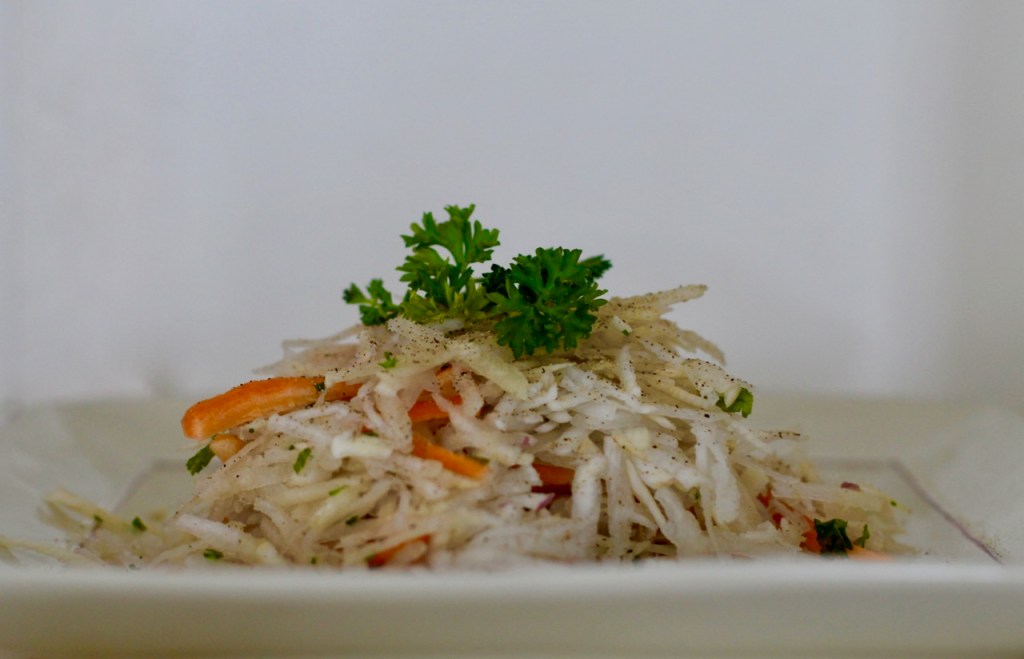
In the Mid-West of the US, early April is the time when it gets really hard to eat local vegetables. There is nothing out there growing yet. But wait there are some crops from last fall like turnips … in fact raw turnips make a great spring salad. Past few weeks, I have been adding grated raw turnips to all my dishes. I have to admit it felt great to eat something raw. Try this simple salad, you can add a little olive oil, black pepper and carrots but honestly I often eat it just as it is, nothing added.

Turnip (Brassica rapa var) is a member of the mustard family that grows in temperate climate around the world. It has a neutral thermal energy and is slightly sweet, bitter and pungent … just what we need right now in the spring. It is especially high in fiber, nourishes digestive tracts and helps detoxify the body. It is considered to be high in many essential nutrients and minerals. Sounds like a super food to me …

RECIPE

Ingredients

  • 1 lb of turnips, medium or larger size
  • carrots, strips (optional)
  • 1 Tbsp olive oil (optional)
  • freshly ground black pepper (optional)
  • 1 Tbsp of lemon juice (optional)

Directions

  • Clean, peel and grade the turnips. For grating, I use the largest hole of my cheese grater.
  • Cut up carrots into thin trips.
  • Add into a bowl. Serve with olive oil and black pepper if you wish.

enjoy!

Text, photo and recipe by twincitiesherbs.com.

Source

Paul Pitchford: Healing with Whole Foods

Coronavirus truffles

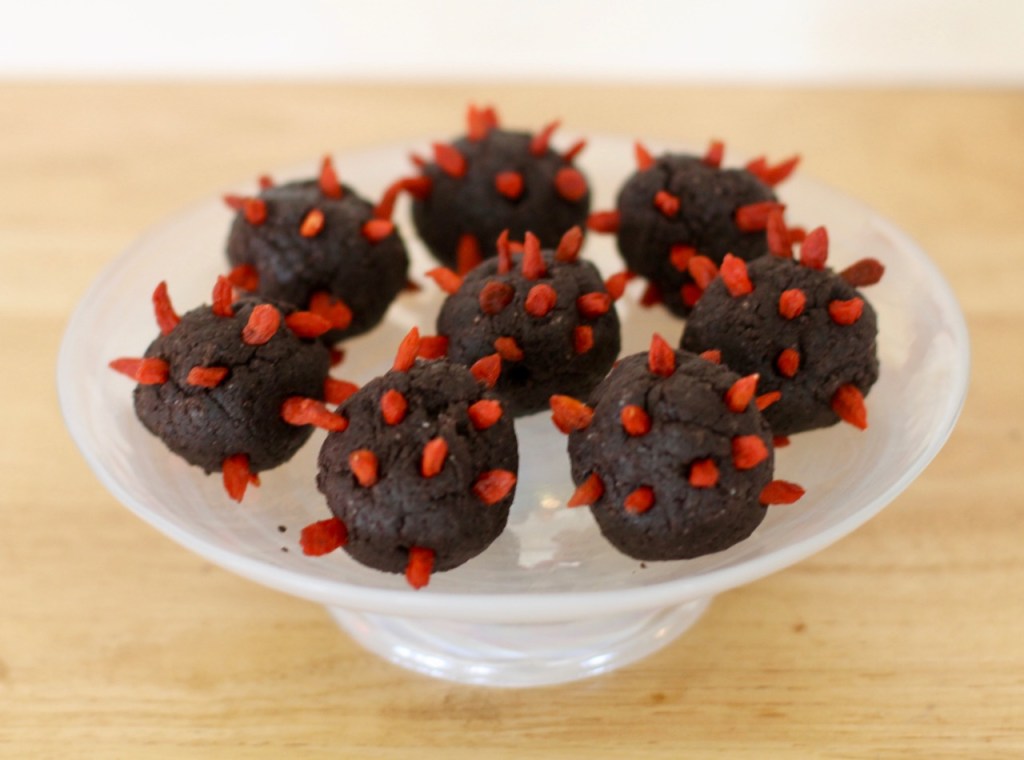
Honestly, this is just too cute to pass … It is not a cure for the corona virus but might help your kids, the young ones and the older ones alike, get through the quarantine time. Oh and the oreo cookies should be still available in the grocery stores. Recipe is from Rozina’s kitchen.

RECIPE

makes 11 truffles

INGREDIENTS

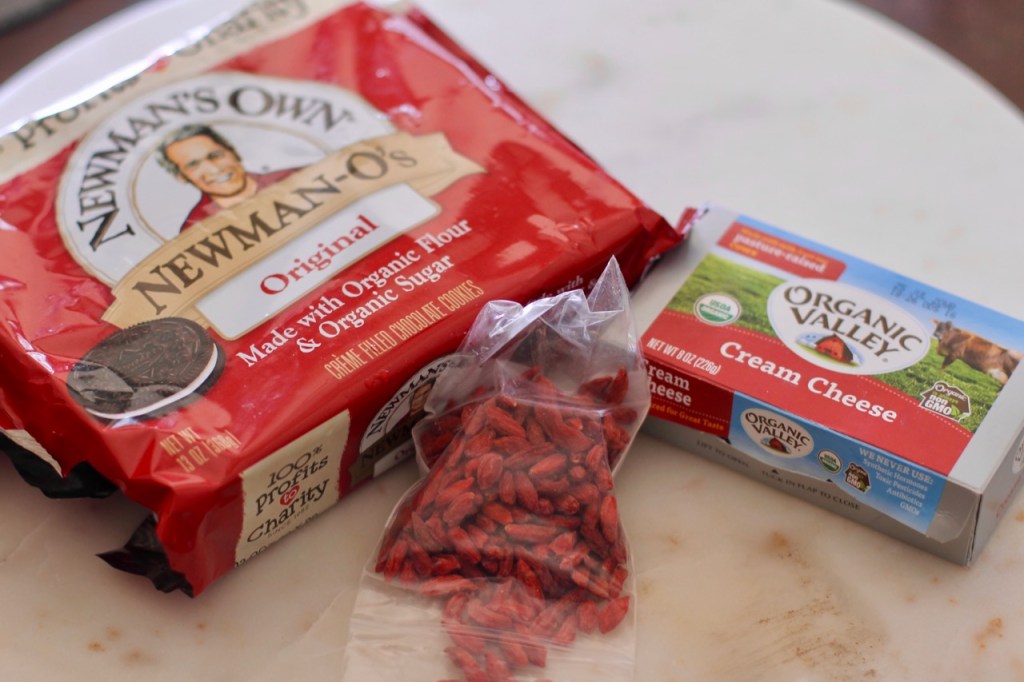
  • 24 Oreo cookies
  • 113 gram cream cheese
  • handful of goji berries or cranberries

METHODS

  • Have cream cheese at room temperature.
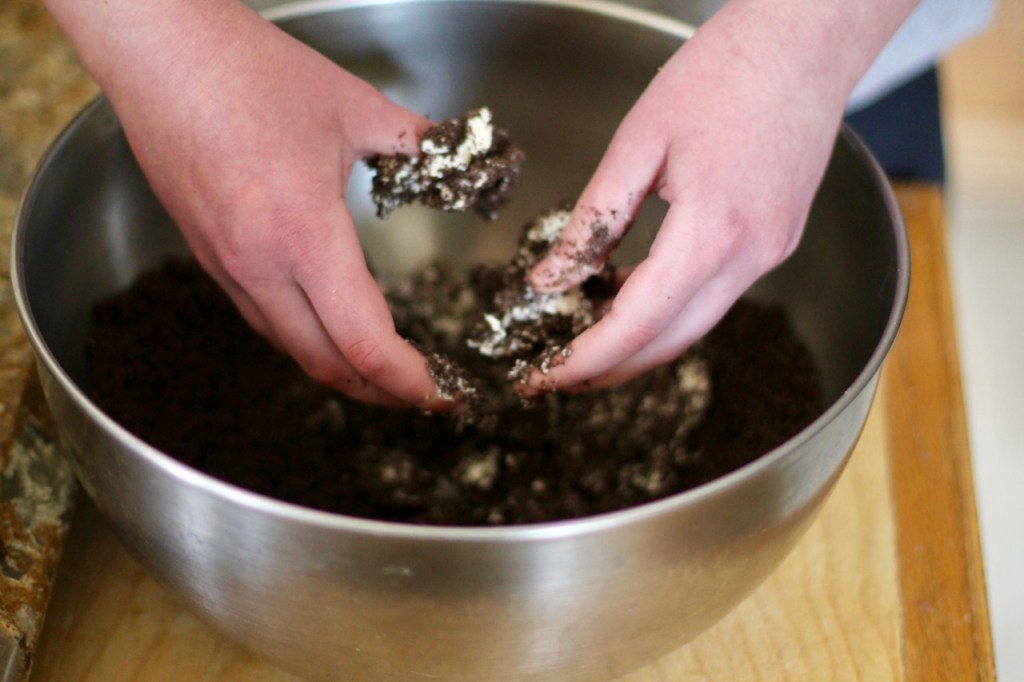
  • Grind the Oreo cookies into a fine powder consistency. You can use a food processor or a rolling pin.
  • Work the cream cheese in with the Oreos.
  • Form smaller, 2″ balls with your hands.
  • Stick goji berries into the truffles.
  • We refrigerated the balls for a half hour before serving.

Enjoy and stay well!

Source

https://wordpress.com/read/blogs/136488425/posts/31232

Nourishing the immune system during the pandemic (no recipes)

First, I would like to express my heartfelt condolences to all the people whose loved ones have been effected by this virus. May God be with them.

People react to crisis differently. Some people start to hide, others worry about the stock market and then there are those who want to help others. So I’m in the third group and have been thinking to write about what to do during this pandemic. I’ve been contemplating to write this blog for at least a month so here I go finally. I know my blog is all about food in general but after all I don’t have a boss who tells me what I can do. I really would not want to offend anybody or push ideas on others but I’m hoping my writing will help someone.

We are experiencing something new, a game changer for sure these days. I feel it is quite uplifting that we are all doing the same thing. It is hard to believe that we are dealing with the same issues on the entire Earth but at the same time it is a bit eery that the whole world is in a lock down …

There has been an interesting phenomena since people have heard about the pandemic … the toilet paper shortage…  What is the deal with toilet paper especially that the virus does not necessary cause diarrhea? … and it is not just the Virgos who are doing it. This got the attention of many psychologists too. Here is my take on it …. People got so scared and wanted to do something, just anything to protect themselves. In fear, people started running to the stores buying toilet papers.

So I would like to write a blog on what people could do in addition to buying toilet papers and now this leads me back to the original mission of my blog …  using natural foods to stay well and be happy. I would like to take the opportunity to do a blog on what to do for the immune system at an energetic level. It is not an easy concept though in our culture. 

But before I do that, let’s talk about the nature of this virus quickly. From an energetic perspective, it is a cold virus that is capable of causing dampness that can lead to toxicity. So what does this mean? Natural Medicine differentiates conditions based on their nature: cold, hot, damp, dry. This is a cold disease that is capable of injuring the warm loving organs the lungs and the spleen. If they don’t work properly, fluids can accumulate so there can be wheezing, shortness of breath, digestion problems, loose stools, vomiting etc. In the third stage, accumulated fluids can start becoming toxic. So keeping the lungs and the digestion healthy would be crucial for a strong immune system. This is based on the reports of Chinese doctors who had treated people with the virus.

So let’s get back to the topic of this post, the immune system. What is the immune system? We can all agree that it is the body’s mechanism to defend against foreign bodies. But what do you do to keep it healthy? Just for the records, currently, modern medicine does not understand how to keep the immune system healthy. So let’s turn to ancient medicine to find out what we can do at the energetic level. According to Ancient Chinese Medicine, the defense system comprise of the lungs and the skin. They are the organs of first line defense that are in contact with the outside world.

In Natural Medicine everything is connected in our body. The lungs further work with the spleen to make this defensive energy so the food we eat is crucial. Of course, healthy kidneys support the lungs and are important to move energy. Then the healthy liver removes the toxins from the body. Of course, if our qi, the life force is not moving efficiently, things can stagnate. Our mental state can influence this entire process, too. A healthy body with a strong immune system is more capable to deal with foreign bodies.

So what can we do?

  1. Relax! Honestly the best thing to do is to stay calm. Try not to panic. If you are stressed, the body cannot work properly. Do things that you enjoy, reading, hiking, dancing etc. Of course, meditation is always great. Fear may effect our kidneys negatively. A fear ridden kidney will not be able to support the rest of the body and we will not be able to war off pathogens as well as a healthy body should. Not to mention that we do things that we later will regret.
  2. Exercise! Exercise makes your lungs work harder. The fresh oxygen is the greatest for the lungs. Try to go outside as much as you can. I see so many more people walking outside than before.
  3. Eat with the seasons! It seems like this virus has made a lot of people start cooking and eating healthy. Try to eat with the seasons and your constitution. Please, check my blogs on the lungs (Metal element) and the spleen (Earth element). Avoid greasy, toxic and over-processed foods. Limit dairy and sweets if you tend to have dampness issues like shortness of breath, cough with sputum, edema, gain weight easily. Remember we are in the spring season (wood element) and are trying to nourish our lungs and digestion. All the carminative kitchen spices for digestion (ginger, caraway seeds, rosemary, thyme, lovage, cumin, fennel) and pungent spices (horse radish, raw turnips, cinnamon, garlic, onions) are great. Foods that help drain, transport dampness are moong beans, asparagus and cranberry juice. Don’t forget the fermented foods to keep the digestive tracts healthy. All my recipes are supposed to nourish the immune system but the best foods for now would be the ones that I have posted in the past 6 weeks.
  4. Stay hydrated! Drink lots of water.
  5. Sleep! Make sure you get as much sleep as your body needs.
  6. Just like with any upper respiratory problem, nourishing the immune system is important. Taking immune system remedies is great but it is also important to deal with individual issues.
  7. Help people in need. This will give an immense boost to our hearts, like I said before, everything is connected in our body.

Of course, none of these recommendations will kill the virus but that is not the goal of Natural Medicine anyway. According to Chinese Medicine, nourishing the immune system in general is important for staying healthy. The ancient Chinese work called Shang Han Lun (around 200 AD) is of significant interest. It discusses cold diseases and is one of the greatest contributions to the world of Natural Medicine. It was composed by Zhang Zhong Jing (142-220 AD). He lost many members of his family during the great epidemics of the time. It was the first clinical manual to systematically describe the pathology of diseases. It also detailed the treatment of diseases caused by invasion of exterior pathogenic factors. In addition, the theories and the formulas extend beyond exterior invasions. They are applied every day for cases without an exterior invasion. Historically, Shang Han Lun’s principles resemble the work of the famous Greek physician, Hippocrates. I wanted to make this connection known.

Hippocrates (460-370 BC) is known today as the Father of Medicine. He lived through one of the worst epidemics of our humanity, the Plague of Athens (430-426 BC). He contributed a great deal to Natural Medicine as well. He observed how diseases progressed in different people. He concluded, “It is far more important to know what person has the disease than what disease the person has.” He recognized the crucial role the immune system played in recovery. People’s constitution was also vital during the epidemics. His great contribution to everyday diet was the addition of the valuable carminative (digestive) herbs that are today known as kitchen spices (garlic, onions, hot peppers, cinnamon, ginger, caraway seeds, oregano, rosemary, thyme, lovage, cumin, fennel). He saw that digestion is crucial for good health and wanted to make sure people would incorporate these herbs on a daily basis. 

DISCLAIMER. Please, note that these are recommendations for nourishing the immune system on an energetic level and are not a replacement for medical care from a physician. Also these recommendations are no way a guarantee so you can avoid getting the virus.

Stay healthy!

Sources:

Text, pictures by twincitiesherbs.com.

Hungarian egg-drop soup (tojásleves)

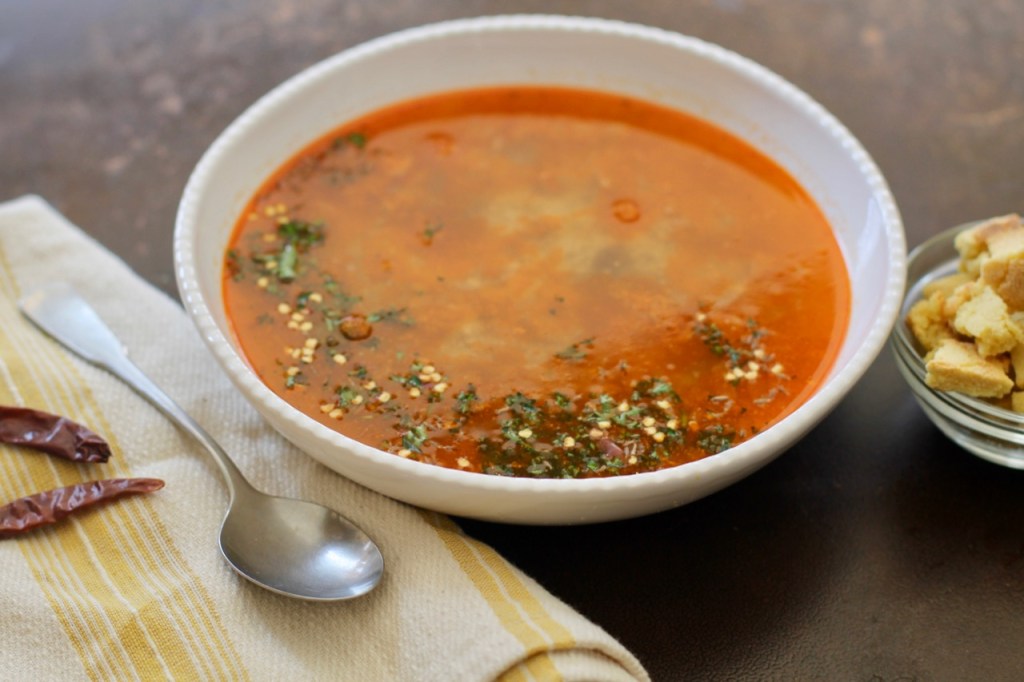
Hello, I’m writing this post from voluntary quarantine. My recipe may be helpful for getting through these difficult times although I normally make it quite often. It is very simple, tasty and nourishing as the main ingredients are eggs, caraway seeds and broth. It is the Hungarian version of the hot and sour soup. It can be served with semolina croutons or any bread croutons that you can buy in stores.

RECIPE

INGREDIENTS

  • 4 cup broth (vegetarian or chicken) or water
  • oil (vegetable or lard)
  • 1 smaller onion, finally chopped
  • 1 tsp Hungarian sweet paprika
  • 1 bay leaf
  • 1 Tbsp caraway seeds
  • 2 egg yolks
  • 1 Tbsp vinegar
  • about 1 cup of semolina flour + 2 eggs or bread croutons
  • dehydrated vegetable seasoning (optional)
  • parsley, chopped
  • Hot pepper to taste

DIRECTIONS FOR THE SOUP

  • Have 1/4 cup of cold water ready
  • Sauté the onion in a medium sized pot until translucent.
  • Add 1 Tbsp flour to make the roux. Stir for 3 minute or until it turns a beautiful orange color.
  • Add 1 tsp paprika and stir for 1 minute.
  • Add the water that was set aside from the first step, stir well.
  • Add stock, bay leaves, and caraway seeds. Bring to a boil and cook for 20 minutes covered.
  • Turn off the heat.
  • Separate 2 eggs. In a small bowl, lightly beat the yolks. Add a small amount of liquid from the soup, mix. Slowly add to the soup while stirring the soup in a circular motion. You can use the egg white for something else.
  • Add vinegar and dehydrated vegetable seasoning (optional)
  • Season with salt, black pepper and hot red pepper to taste.
  • Serve hot with semolina croutons or bread croutons.

DIRECTIONS FOR THE SEMOLINA CROUTONS (optional)

  • Lightly beat 2 eggs. Add 1/2 tsp salt, 1 Tbsp oil.
  • Add about 1 cup of semolina flour or as much what the eggs takes up. You should get a dough that is dry enough so you can pick it it up and make it into a circular shape. Make sure you don’t add too much because it will be too dry.
  • If possible let it sit for 1 hour.
  • Pan fry this dough in a lightly oiled frying pan on both sides until golden brown.
  • Take out of frying pan and cut up into small squares.

Enjoy!

SOURCE

Recipe, text and photo by twincitiesherbs.com.

Chana masala (Indian chickpea dish)

Chana masala is a delicious Indian dish that would be great for the spring. I still vividly remember the first time I had chana masala at a friend’s house. He had us over for dinner when his parents came to visit from India like 25 years ago. I did not even recognize the chickpeas … I actually thought they were chestnuts. I never got the recipe but his mother gave me some tips. (Thanks to the internet I found this recipe on line and I think it is very close to what we had that night).

Chana means garbanzo beans and is the main ingredient in the dish. The secrete to this dish is to prepare these beans properly. I remember our friend’s mother told me to cook the beans for a long time. They should be cooked for 3 hours or you can use a pressure cooker according to its instructions, of course. Cooking for this long will soften the beans and let the flavors come out. So if time is not an issue, I would recommend home cooked chickpeas instead of using the canned ones. The canned beans will not have the same results for sure.

Garam masala is the main spice in the dish. It is not just one spice but is actually a cleverly chosen mixture of a few spices: fennel seeds, star anise, mace, black cardamom. It is nicely balanced so one flavor will not overwhelm the dish. You can blend it yourself or you can just buy it. (I ended up buying it at the store).

This is a common dish that people in India make on a regular basis for lunch or dinner. It has an interesting flavor, taste and texture. It can be made less spicy, if you don’t like spicy dishes, just leave out the green chili. So chana masala is basically a chickpea curry cooked in an onion tomato sauce with the spices. I always wonder how poor people in India get by on very little money and still eat well. This dish might be one of their secrets …

RECIPE

-I doubled the recipe

serves 3-4 people

  • 1 cup of dried chickpeas or 1 (15oz) can
  • 3 cups of water

Ingredients for the tomato sauce

  • 2 Tbsp vegetable oil/ghee
  • 2 large onions, finally chopped
  • 2 garlic cloves, minced
  • 1 inch ginger piece, finally chopped
  • 2 medium tomatoes, chopped
  • 1/2-3/4 TBSP of red chili powder (adjust to taste)
  • 1/4 tsp turmeric powder
  • salt to taste

Ingredients for the chana masala gravy

  • 1 bay leaf
  • 1 inch cinnamon stick (If you double up the recipe, you will not need to add another cinnamon stick)
  • 2-3 clove pieces
  • 3 green cardamom pods without the shells.
  • 1 green chili pepper, chopped (optional)
  • 1-1 1/2 tsp garam masala
  • 1 1/2 tsp coriander powder
  • 2 pinch mango powder (amchur) (optional)
  • fenugreek leaves (optional)
  • coriander leaves

Directions

Clean and soak the chickpeas for at least 8 hours. Pour off soaking liquid. Add fresh cold water and cook for 3 hours. Less for pressure cooker. Save cooking liquid. Omit if using canned beans.

Directions for the tomato sauce

  • Sauté the onions in oil or ghee until golden. Add the chopped ginger for 1 minute, stir.
  • Add red chili powder and turmeric. Stir for 1 minute. Add garlic quickly, stir.
  • Quickly add chopped tomatoes and little salt, stir. Cook for 15-20 minutes or until there is a nice sauce. The onions should not taste raw.
  • Let this mixture cool. Add 1 tbsp liquid from the beans. Make a thick gravy with a blender. Set aside.

Directions for the Chana masala gravy

  • Dry heat the spices (cinnamon stick, bay leaf, cardamom, clove) in a pot for 1 minute until you can smell the aroma of the spices. Stir. I grind the cardamom as some people don’t like them in their foods whole.
  • Pour the blended tomato sauce mixture from the previous step back into the pot, the chopped green chili pepper, coriander and garam masala powders and the spices.
  • Mix and cook for a few minutes until ingredients are mixed nicely.
  • Add the cooked chickpeas and the cooking water. You might have to add more water.
  • Bring to a boil and simmer for 5-6 minutes.
  • Taste the mixture and see if you need more garam masala. Boil and simmer for 2 more minutes if spices were added.
  • Take out the larger spices like bay leaves, cinnamon, cloves.
  • I also added salt here.
  • Keep it covered until served.
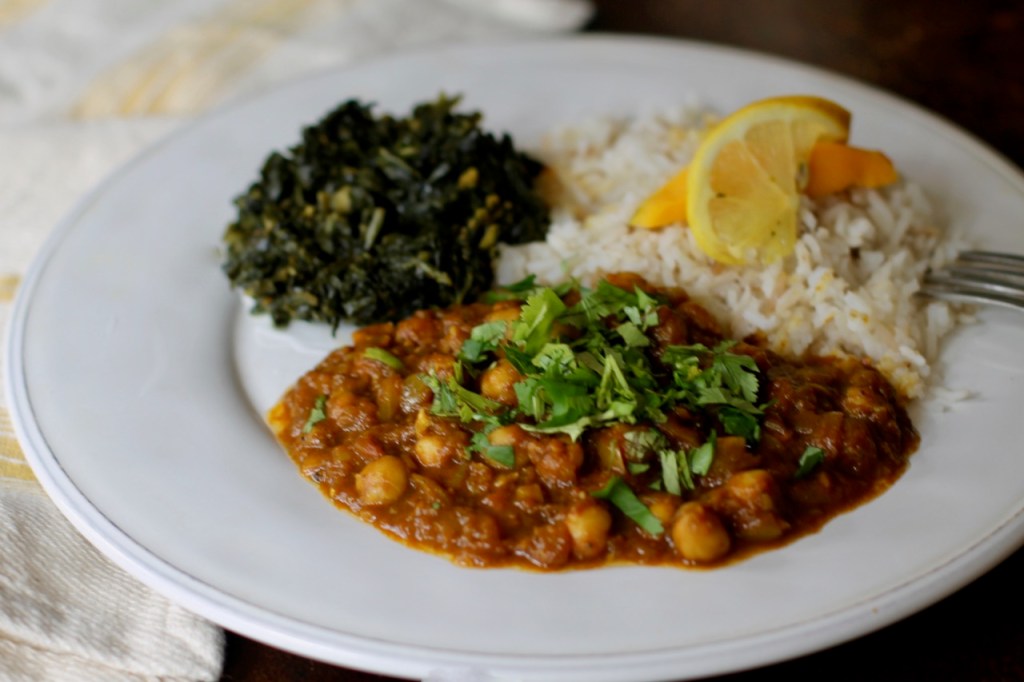
  • Serve hot with cilantro, yogurt, lemon, rice, vegetables and roti.

enjoy!

Source

https://www.indianhealthyrecipes.com/chana-masala/

Tiramisu

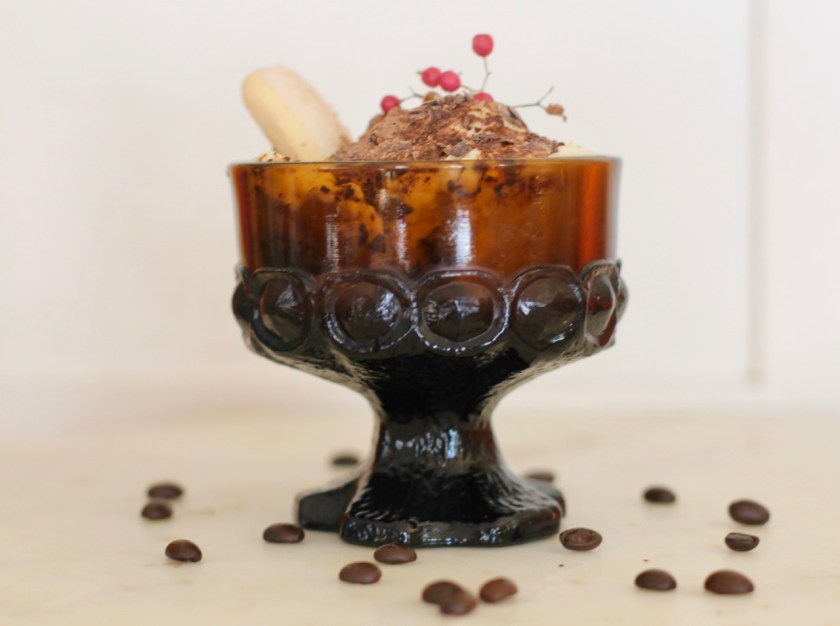
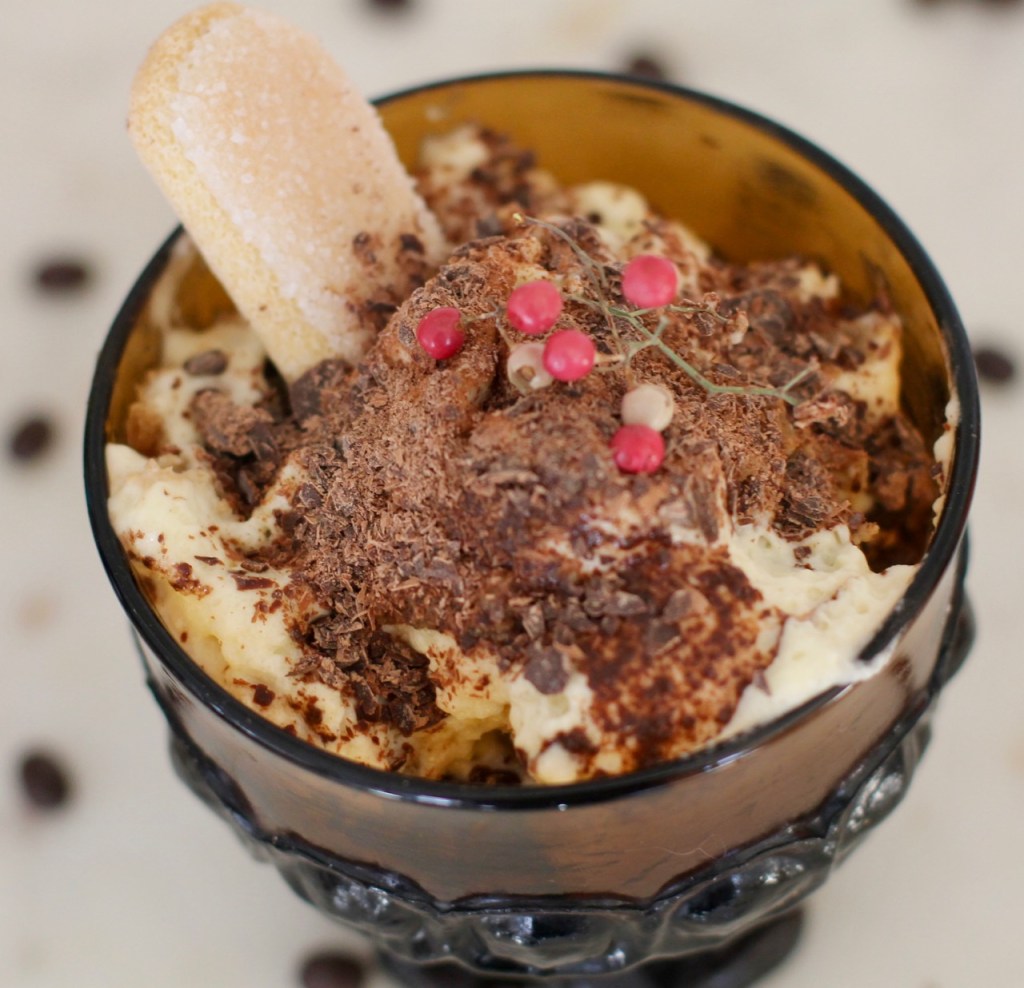
If you love coffee and desserts, you are going to love Tiramisu! It is an Italian coffee flavored dessert made with layers of lady fingers dipped in coffee and the egg/mascarpone mixture topped with chocolate. This is a simple dessert that you can whip up easily. Really wow your family, guests and they will think you are the most amazing chef…

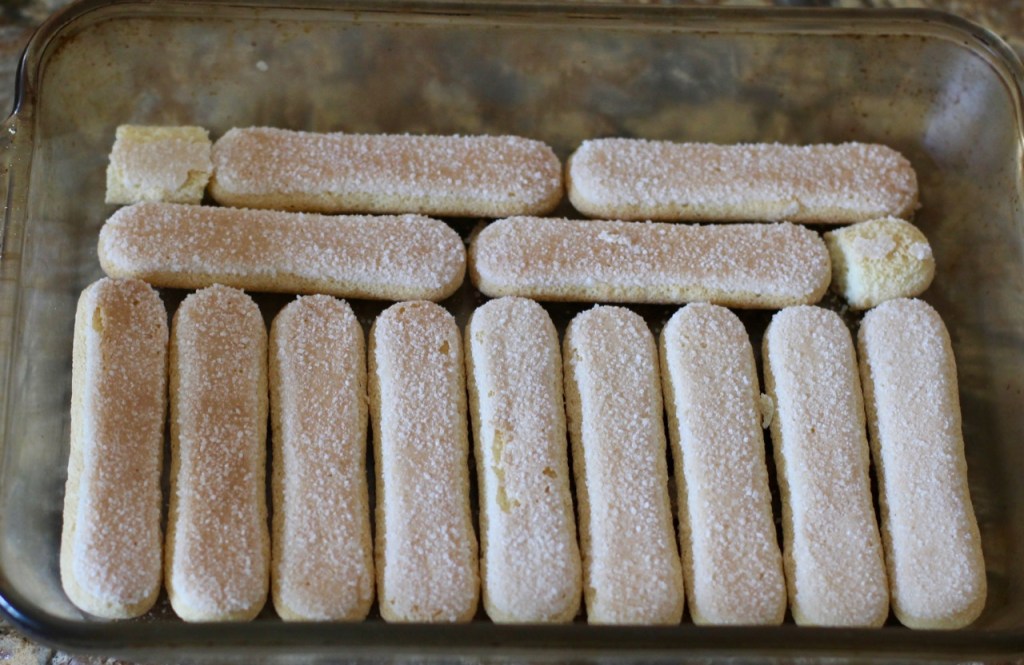
You will need Italian lady fingers. I believe it is a must and you can buy it fairly easily. I got mine at Whole Foods but you can even get it on Amazon or make it yourself.

Traditionally, raw eggs are used to make tiramisu. I use fresh, local eggs but you can use heavy whipping cream as a substitute so you do not need to worry about raw egg issue. Of course, the cream will make it heavier and richer. In Europe, eggs are not a problem but in the US, eggs are processed differently and might not be fresh.

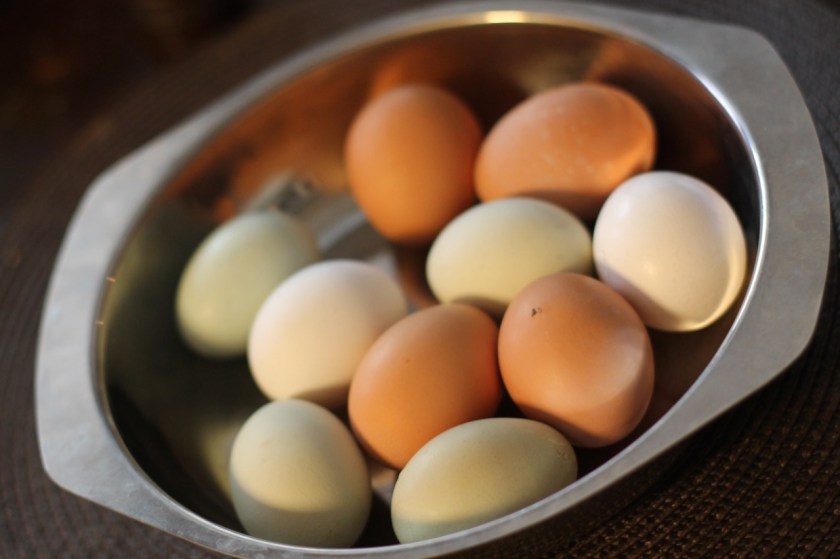
If you decide to use eggs, here is the egg test. When you immerse your egg in a pot of cold water, it should lie flat on the bottom. If it goes to the top or even one side starts moving up, do not use the egg. You can only use eggs that are fresh here. I will have instructions for both versions, the raw egg version and the alternative version using cream and cooked egg yolk.

What kitchen equipment do you need?

  • Medium sized dish for whipping the whites or the cream
  • larger, medium sized dish for the egg yolk/mascarpone
  • 2 Qt sized deep dish for the tiramisu
  • Double boiler if cooking the egg yolk. If you don’t have a double boiler, you can use a metal bowl that fits on the top of the bottom pot securely but does not touch the bottom of the pot.
  • whisk
  • plastic scraper
  • sieve

Optional but nice if you already have them:

  • coffee maker
  • handheld mixer or food processor
  • Plastic wrap for refrigeration

Eggs. Eggs are easier to separate when cold but once they’re separated they need to be at room temperature. Separating the egg white from the yolk can be a bit tricky if you are new to baking. When cracking the egg, tap the egg on a flat surface. Also, I like to put the egg white individually into a separate smaller bowl first to make sure the egg is not addled and no yolk is mixed in. Then you can pour it into a bigger dish that is suitable for whipping the whites and collect the rest of the eggs whites. Of course, the egg yolk can go into a medium sized bowl that will be used to mix egg yolk and mascarpone.

Another key ingredient is mascarpone. It should be cold but make sure you can mix it with the rest of the ingredients. Yes it is expensive! … but it is the main ingredient and is worth it! So what is mascarpone anyway? It is like cream cheese but is creamier and has a higher fat content as it is obtained from cream and not from milk; cream cheese has 35% while mascarpone has 70% fat.

The recipe uses alcohol. I used dark rum. In my opinion, it suits this rich dessert better but the light rum is fine as well. Amaretto works well too. If you don’t want to use alcohol, simply use vanilla or almond extract instead.

Coffee gives tiramisu the distinctive, interesting flavor, so yes you will need a good strong Italian espresso. The lady fingers are dipped in the espresso so make sure you make a good strong brew. 1 1/2 cup of espresso should be enough for dipping. (If you have left overs, you can drink it or pour it on your plants). For 1 1/2 cups of water, I used 1/3 cup of coffee beans that is 2 1/2 Tbsp ground coffee. If you don’t have a coffee grinder, purchase the coffee already ground. If you have an espresso machine, great! If you don’t, no worries! We have a simple Italian Moka pot (Bialetti). Also, another tip is you can get your espresso coffee at Star bucks. My daughter works at Star Bucks and she told us one time a customer got her espresso for tiramisu.

You can use different size dishes to assemble the tiramisu. If you want to put it all in one big dish, you can use a deeper dish that is 2 Qt in size (I used a rectangular dish that is 11.5 x 8 x 2 inches). But you can use anything even circular dishes. Sometimes I use ice cream serving dishes and make tiramisu individually. Just make sure that lady fingers are tightly laid down.

This dish is definitely a make ahead dessert. It needs to be refrigerated for at least 24 hours … but honestly, I think it tastes the best after 2 days … although that might be too long to wait … Otherwise, it should be consumed within a week.

RECIPE

Please read the above text before making the recipe.

INGREDIENTS

  • 1.5 cups of strong espresso at room temperature (1/3 cup of ground coffee or 2 1/2 Tbsp coffee beans)
  • 28 lady fingers, maybe need more
  • 3 Tbsp of coffee liquor/amoretto, 1 tbsp vanilla extract
  • 6 eggs (separated)
  • 16 oz mascarpone
  • pinch of salt
  • 1/2 cup sugar
  • shaved chocolate for decoration
  • 2 cups cold heavy whipping cream (if not using egg whites)

METHODS

Directions for the raw eggs version (If you can’t use raw eggs please use directions below).

  • Take the eggs out of the refrigerator. Separate the yolk from the whites while they are cold. Once you separate the eggs, just leave them on the counter. They need to be at room temperature when you start working with them.
  • Make the espresso. Pour it into a shallow dish with a flat bottom. Coffee needs to be at room temperature.
  • Immerse the lady fingers in the coffee quickly one at a time for one second. Lay the dipped lady finger in a dish nice and snug. You do this quickly so the lady fingers don’t get soggy.

Making the tiramisu sauce.

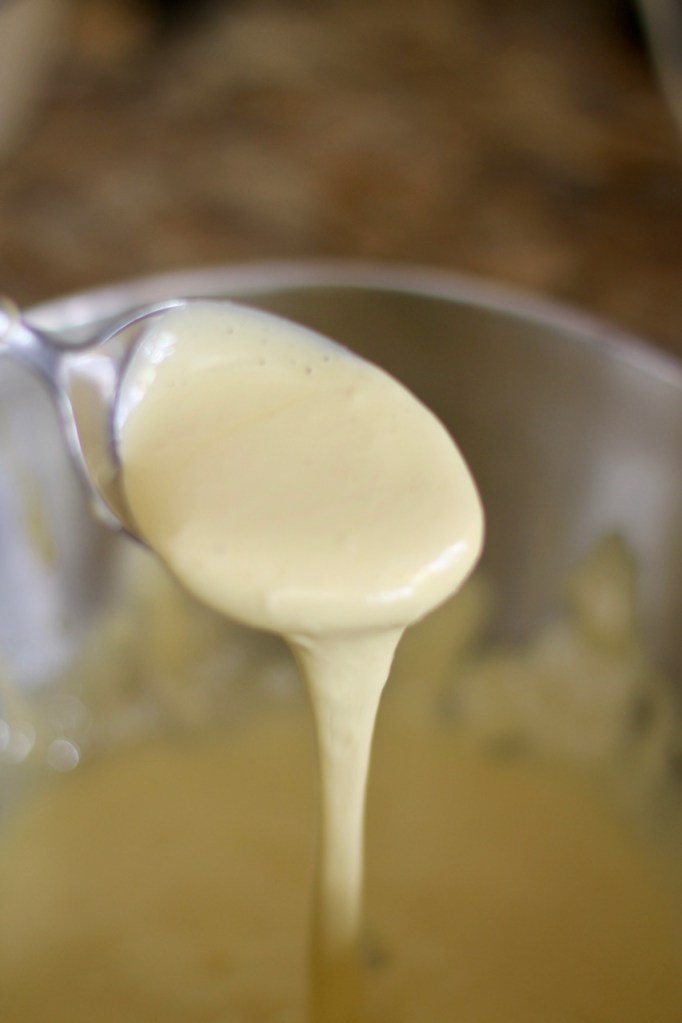
  • In a double boiler, add 1/2 cup of sugar to the yolk with a pinch of salt and cook for 6-10 minute while stirring or until you get a nice creamy consistency. Keep checking, do not over-beat. You want to get a nice creamy, pudding like consistency. Here we are adding air to the yolks to increase volume. Take off heat and let cool to room temperature.

  • Add the 3 Tbsp of coffee liquor and mascarpone to the egg yolk. Beat until just combined and smooth.
  • Whip up the egg whites until the whites are solid for about 2-3 minutes. When you turn the bowl upside down, it should not fall out of the bowl. Do not over beat. Keep checking.
  • Add the egg whites to the egg/mascarpone mixture. Don’t mix but gently fold it in. You just need to incorporate it into the yolk mixture keeping its fluffiness.
  • Pour half of this mixture on the lady fingers that are already in the dish.
  • Put another layer of the coffee dipped lady fingers on top of this mixture.
  • Pour the other half of the tiramisu mixture on the lady fingers.
  • Gently sprinkle some shaved chocolate on the top through a sieve.
  • Cover the dish with a plastic wrap and refrigerate for at least 6 hours or 2 full days.
  • Serve in small serving bowls.

Direction for the cream and cooked egg yolks version

  • Take the eggs out of the refrigerator. They need to be at room temperature.
  • Mascarpone and cream need to be cold. Keep them in the fridge until you are ready to use them.
  • Make the coffee. Pour it into a shallow dish with a flat bottom along with 3 Tbsp of rum. Coffee needs to be at room temperature.
  • Dip the lady fingers in the coffee quickly one at a time for a few seconds. Lay the dipped lady finger in a dish nice and snug.
  • Making the tiramisu sauce. Separate the eggs.
  • Prepare the double boiler by bringing some water to a simmer in the bottom pot.
  • Add 1/2 cup of sugar to the yolk with a pinch of salt in a pot or metal bowl. Ensure the pot fits the bottom pot. Mix with a whisker over low heat for 8-10 minutes. Continue until you get a nice creamy custard consistency. Keep stirring continuously. Here we are adding air to the yolks to increase volume.
  • Add the 3 Tbsp of rum and the mascarpone to the egg yolks. Beat until just combined and smooth.
  • Whip the chilled cream for about 2-3 minutes or until it is solid. When you turn the bowl upside down, it should not fall out of the bowl. You can use a food processor, electric mixer or you can do it by hand. Do not over-beat.
  • Add the cream to the egg/mascarpone mixture. Don’t mix but gently fold it in with a plastic spatula.
  • Pour half of this mixture on the lady fingers that are already in the dish.
  • Put another layer of the coffee dipped lady fingers on top of this mixture.
  • Pour the other half of the tiramisu mixture on the lady fingers.
  • Gently sprinkle some coco powder through a sieve on the top.
  • Cover the dish with a plastic wrap and refrigerate for at least 6 hours or 2 days.
  • Serve with shaved chocolate, optional.

enjoy!

Text and photos by twincitiesherbs.

Eating with the spring season

SPRING

No season brings more anticipation than spring … seeing how nature is slowly waking up and enjoying watching the plants grow. Spring is my favorite season. It is miraculous how the scenery quickly changes from snow and mud to luscious greenery. We can finally sit outside, eat fresh plants and wear lighter clothing. I feel that spring gives my creative energy a nice boost …

Spring is an important transition time of the year when we are moving out of the cold winter time into the hot summer time. It is true as they say spring comes in as a lion and leaves as a lamb. If we prepare our body in the winter, our immune system will be able to handle the changes easier. In addition, it is important to work with this transitional season so we can cope with its harshness easier and can enjoy the heat of the summer later.

Element: Wood

Organs: Liver, Gallbladder, Eyes, Ligaments

Sense: seeing

Color: green

Taste: sour

Supporting flavors: sweet, pungent, bitter

Emotion: anger

Evil: Wind

Spirit: vision

In Ancient Chinese Medicine, each season is associated with a natural element so spring is associated with the Wood element. Also, each element has corresponding Western organs. The Western organs of the Wood element are the Liver and the Gall bladder along with the organs that they control: the Eyes and the Ligaments. (I capitalized the organs because in Chinese Medicine, it is more like an organ is considered to be the organ itself and its energetic functions).

Chinese Medicine is not just concerned about the physical body, it believes that our spiritual health is also important. The health of our Wood element can greatly effect this higher self and vice versa. It enables us to make plans, have a clear vision and allows our energy to move freely in the body. In other words, eating well during the spring can have an effect on the spiritual aspect of a person, too.

Our body should be flexible like a tree in the spring wind both mentally and physically. A healthy tree can easily yield to any wind and not fall over. We try to create this in our body by nourishing the liver and giving our body a break from all heavier, fatty, denatured foods, chemicals and intoxicants.

The energy of spring is more ascending and expansive like the new shoots on the plants. In a similar fashion, the liver’s energy tends to move upwards and is more active. To create this outside climate inside our body, Chinese Medicine recommends that the diet be the lightest of the year and to eat more cooling, sweet, pungent and detoxifying foods.

More complex carbohydrates like grains, cereal grasses, legumes, seeds, young beets, carrots along with all new spring foods are great sweet foods. Pungent cooking herbs – like ginger, garlic, scallions, basil, fennel, marjoram, caraway seeds, dill, bay leaves – are great to help the liver’s active energy.

Spring is the season to cleans our body and mind. As I mentioned earlier, we need to give our liver a break from heavier foods. As spring arrives, we naturally tend to eat less. In fact, people have been traditionally doing their fasting early spring to make a smoother transition into spring and be able to cope with summer’s heat later. The detoxifying process can be a very spiritual experience as well.

The bitter, sour and detoxifying foods can help this fasting process. Bitter foods are burdock root, dandelion root/leaves, artichoke, lettuce, spinach, asparagus, amaranth, quinoa, alfalfa, radish, citrus peel. Foods that detoxify and cool the liver are mung beans, celery, seaweed, lettuce, cucumber, watercress, tofu, millet, chlorophyll- rich foods, mushrooms, rhubarb stem/root. Also fresh, oats, sage, fennel, pine nuts, flax seed oil are beneficial for the liver.

In addition, small amount of vinegar or lemon have all three properties. For instance, people often drink a little lemonade in the morning with maple syrup or sugar (but not honey!) and cayenne pepper to get the liver ready for the day. The juice of one lemon is great. (Caution: do not take too much vinegar or lemon, as you can achieve the opposite effect).

Our eating and cooking habits should change as spring moves in. In general, our diet should become more simple. Foods should be cooked quickly at higher temperatures in other words the quick sauté method is preferred. Try to aim for simple food combinations. Also, it is best to eat dinner earlier than during the winter months. I would say dinner should be done by 6-8 pm. According to Chinese Medicine, Liver time when our liver is the most active is between 11 pm and 1 am so our food should be digested by this time so the liver can do its jobs more efficiently … and it has 100+ jobs that it does regularly …

Spring is the time when we naturally eat less and eat lighter foods. In general, the liver likes to be cool and well nourished. We should be minimizing salt, fats, meats and eggs and eat more vegetables and grains. Of course, all over-processed foods should be avoided. Just like we do spring cleaning in our homes, we need to ‘clean’ out the inside of our body.

Source

  • Paul Pitchford: Healing with Whole Foods
  • Art: Unkown

Gourmet kitchari (moong dal)

I don’t know if the ground hog’s prediction is right or wrong but it is still cold here. So let’s go to a more exotic place like India and get a popular dish called kitchari. No worries, no exotic foods will be used. You should be able to find all the ingredients here in the US. If your grocery store does not have them, you can try any Indian or Asian store but really all these ingredients are common in the US. I serve the dish with whatever vegetables I can get in the store, spinach, kale, cauliflower etc.

Kitchari is a traditional nourishing soup from India that is made with mung beans and rice infused with some amazing Indian spices. It is great when you want something grounding and warming. It is often consumed during Ayurvedic cleanses or as a light meal to support digestion and overall well-being.

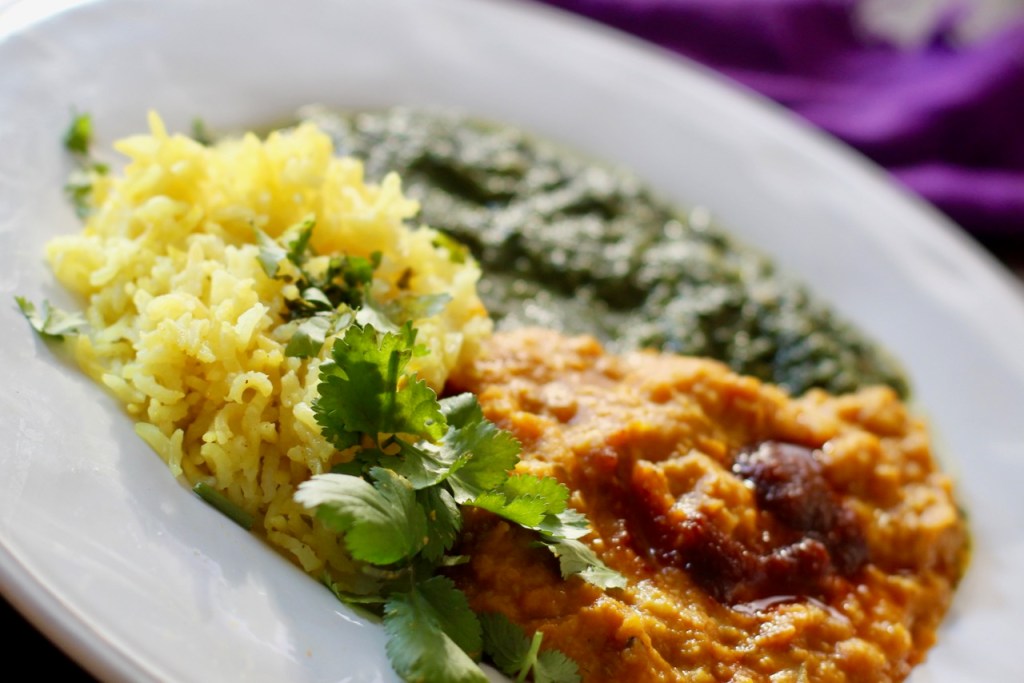
This dish is more of a gourmet version of the simple kitchari with the addition of mustard seed, cinnamon, cardamom and chili pepper to suit our winter needs. You can also add your favorite vegetarian dishes to make it more complete and fun. I used spinach, paneer, fried mushrooms and rice.

RECIPE

Ingredients

  • 1 onion
  • 1 cup of uncooked mung beans
  • oil (I used home made ghee. )
  • 1 Tbsp fresh ginger, minced
  • 10 – 15 pieces mustard seeds
  • seeds of 3 green cardamom pods (discard green shell)
  • 1 tomato, chopped (canned is fine)
  • 1/2 tsp cumin seeds
  • 1 tsp cumin powder
  • 1 tsp coriander powder
  • 1 tsp turmeric powder
  • 2 cloves of garlic
  • 1 stick cinnamon
  • 1 cup stock or water (more if you want a soup)
  • salt and black pepper to taste
  • yogurt
  • cilantro
  • lime or lemon

Direction

  • Clean and soak mung beans overnight but at least for 2 hours. Remove soaking liquid, discard. Set aside the beans.
  • Making the gravy. Saute the onion on medium high heat for 5- 10 minutes. When you smell the nice aroma of the onion, add the ginger, cardamom seeds, mustard seeds and cumin seeds, Stir for about 5 minutes.
  • Add the powders (turmeric, cumin, coriander) and garlic, stir for 1 minute. Add cold stock, stir.
  • Add 1 chopped tomato and cook for about 5-10 minutes until tomato becomes saucy.
  • Add mung beans prepared earlier. Bring to a boil, turn down heat and cook for 30 minutes.
  • Add cinnamon stick in the last 10 minutes.
  • When done, add chili pepper, salt and pepper to taste.
  • Serve warm with rice, yogurt, cilantro and lemon.
  • I also used paneer with spinach stew and fried mushrooms.

enjoy!

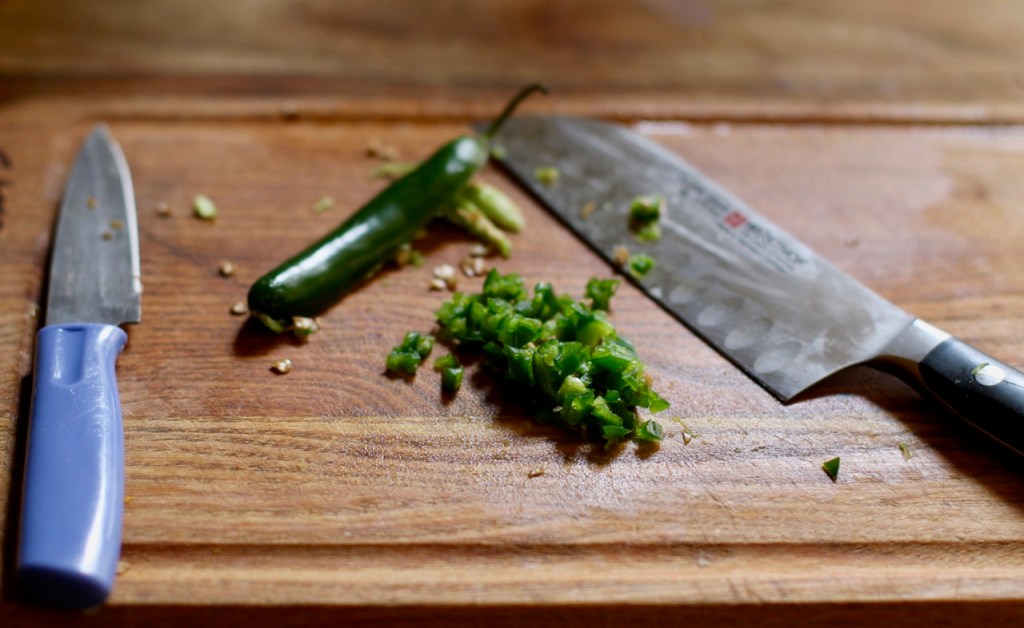
chopped chili pepper

Recipe, photo and text by twincitiesherbs.com.

Sauerkraut dish with kielbasa

This delicious dish is very easy to make. I probably should have called it the bachelor/bachelorette sauerkraut dish … but it is not just for the bachelors/bachelorettes, it is the perfect dish whenever you want to make something quick but tasty and healthy. Of course, you can never go wrong with sauerkraut, it is so healthy.

It is a super easy recipe but I would like to note a few things. The onion has to be finally chopped and the dish needs to be cooked well otherwise it will have a raw taste.

There are two types of sauerkraut. One is preserved with vinegar and the other is processed with salt. I prefer the salted version as it is less acidic and is better for health. This version acts as a probiotic and supports gut health and digestive functions. Of course, the vinegar version would be fine to use, too.

RECIPE

Serves 6-8 people

Ingredients

  • 1 onion, finally chopped
  • oil (sunflower, lard)
  • 4 large slices of bacon, chopped into small pieces (optional)
  • 1 tsp sweet Hungarian paprika
  • 2 cup cold meat stock
  • 1 tsp caraway seeds
  • 1/2 tsp mustard
  • couple of cloves garlic, crushed
  • 2 lbs of sauerkraut, rinsed
  • few springs of thyme or 1 tsp thyme
  • red chili pepper (optional)
  • 1 lb of kielbasa or sausage
  • sour cream to serve
  • rice or potatoes to serve
  • bread
  • salt and pepper to taste

Directions

  • Chop the onions making sure they are finally chopped. Also chop the bacon. Sauté onions in some oil for about 5 minutes on medium high heat. Add the bacon (if using) and continue sautéing for another 5 minutes.
  • Add the paprika and garlic for 1 minute. Stir. Add the cold stock, stir.
  • Rinse sauerkraut with water, strain.
  • Add the sauerkraut, mustard, red chili pepper (optional) and caraway seeds. You can add the meat too. Stir. If the meat is already cooked, you do not have to add it at this point. Although I personally like it if any meat is cooked in the dish regardless whether it is precooked or not. If you don’t include it at this step, just add it at the end.
  • Cook for 50 – 60 minutes until the sauerkraut is well cooked.
  • Season with salt and pepper.
  • Serve with sour cream and your choice of bread, potatoes or rice.

enjoy!