Nourishing the immune system during the pandemic (no recipes)

First, I would like to express my heartfelt condolences to all the people whose loved ones have been effected by this virus. May God be with them.

People react to crisis differently. Some people start to hide, others worry about the stock market and then there are those who want to help others. So I’m in the third group and have been thinking to write about what to do during this pandemic. I’ve been contemplating to write this blog for at least a month so here I go finally. I know my blog is all about food in general but after all I don’t have a boss who tells me what I can do. I really would not want to offend anybody or push ideas on others but I’m hoping my writing will help someone.

We are experiencing something new, a game changer for sure these days. I feel it is quite an interesting phenomena that we are all doing the same thing. It is hard to believe that we are dealing with the same issues on the entire Earth but at the same time it is a bit eery that the whole world is in a lock down …

There has been an interesting phenomena since people have heard about the pandemic … the toilet paper shortage…  What is the deal with toilet paper especially that the virus does not necessary cause diarrhea? … and it is not just the Virgos who are doing it. This got the attention of many psychologists too. Here is my take on it …. People got so scared and wanted to do something, just anything to protect themselves. In fear, people started running to the stores buying toilet papers.

So I would like to write a blog on what people could do in addition to buying toilet papers and now this leads me back to the original mission of my blog …  using natural foods to stay well and be happy. I would like to take the opportunity to do a blog on what to do for the immune system at an energetic level. 

But before I do that, let’s talk about the nature of this virus quickly. From an energetic perspective, it is a cold virus that is capable of causing dampness that can lead to toxicity. So what does this mean? Natural Medicine differentiates conditions based on their nature: cold, hot, damp, dry. This is a cold disease that is capable of injuring the warm loving organs the Lungs and the Spleen. If they don’t work properly, Fluids can accumulate so there can be wheezing, shortness of breath, digestion problems, loose stools, vomiting etc. In the third stage, accumulated fluids can start becoming toxic. So keeping the Lungs and the digestive system healthy would be crucial for a strong immune system. This is based on the reports of Chinese doctors who had treated people with the virus.

So let’s get back to the topic of this post, the immune system.

What is the immune system?

Western and Chinese Medicine have different understandings of what the Immune system is.

We can all agree that it is the body’s mechanism to defend against foreign bodies. I will focus on the Chinese medicine’s understanding of the immune system.

According to Ancient Chinese Medicine, the defense system of the body consists of two parts, one being the external and the second being the internal. I will discuss here the internal aspect. The immune system comprise of the Lungs and the Skin and their functions and are called the Wei Qi. They are the organs of first line of defense that are in contact with the outside world.

But what do you do to keep it healthy?

So let’s turn to ancient medicine to find out what we can do at an energetic level to keep our immune system healthy.

In Natural Medicine everything is connected in our body. The food we eat and the air we breath supports our Wei Qi. Furthermore, healthy Kidneys support the Lungs and are important to move energy. Then the healthy Liver removes the toxins from the body and moves the Qi, energy. Of course, if our Qi is not moving efficiently, things can stagnate. Our mental state can influence this entire process, too. A healthy body and mind with a strong immune system is more capable to deal with foreign bodies.

So what can we do?

  1. Relax! Honestly the best thing to do is to stay calm and avoid panicing. If you are stressed, the body cannot work properly. Do things that you enjoy, reading, hiking, dancing etc. Of course, meditation is always great. Fear may effect our kidneys negatively. A fear ridden kidney will not be able to support the rest of the body and we will not be able to ward off pathogens as well as a healthy body should. Not to mention that we could do things that we later will regret.
  2. A very important factor for a strong Immune System is to keep our our Digestive Fire strong. In general, a strong and balanced Digestive Fire is essential for good health. It gives energy and heat for breaking down food, absorbing nutrients, and aids in removing toxins. If impaired, we can see poor digestion and toxins accumulating. Poorly functioning Digestive Fire can result in Dampness accumulation. Signs of poorly functioning Digestive Fire are watery stools, undigested foods in the stools, cold hands and feet, clear urine, pallor. To support the Digestive Fire, include ginger (fresh or dried), small amount of cayenne pepper, black pepper corn, cumin, fennel, fenugreek, warm cooked foods, and pungent vegetables in the diet (1,2).
  3. Fresh air. The quality of the air we breath in is super important for the lungs. Honestly this is a must. The quality of the Wei Qi greatly depends on the air we breath in.
  4. Exercise! Exercise makes our lungs work harder. The fresh oxygen is the greatest for the lungs. Try to go outside as much as you can. I see so many more people walking outside than before.
  5. Eat with the seasons! Try to eat with the seasons and your constitution. Eating seasonal fruits and vegetables have additional benefits for the nervous system as they support the energy of our body, have exactly what we needs need right now. Please, check my blogs on the lungs (Metal element) and the spleen (Earth element). Avoid greasy, toxic and over-processed foods. Limit dairy and sweets if you tend to have dampness issues like shortness of breath, cough with sputum, edema, gain weight easily. Remember we are in the spring season (Wood element) and are trying to nourish our Lungs and digestion. All the carminative kitchen spices for digestion (ginger, caraway seeds, rosemary, thyme, lovage, cumin, fennel) and pungent spices (horse radish, raw turnips, cinnamon, garlic, onions) are great. Foods that help drain, transport dampness are moong beans, asparagus and cranberry juice. Don’t forget the fermented foods to keep the digestive tracts healthy. All my recipes are supposed to nourish the immune system but the best foods for now would be the ones that I have posted in the past 6 weeks. Also, it seems like this virus has made a lot of people start cooking and eating healthy, too.
  6. Stay hydrated! Drink lots of water.
  7. Sleep! Make sure you get as much sleep as your body needs.
  8. Just like with any upper respiratory problem, nourishing the immune system is important. Taking immune system remedies is great but it is also important to deal with individual issues. Herbs like Astragulus and Calendula have traditionally used to support the immune system.
  9. Help people in need. This will give an immense boost to the Heart and the Shen, the spiritual layer of our being. Like I said before, everything is connected in our body.

Of course, none of these recommendations will kill the virus but that is not the goal of Natural Medicine anyway. According to Chinese Medicine, nourishing the immune system in general is important for staying healthy. The ancient Chinese work called Shang Han Lun (around 200 AD) is of significant interest. It discusses cold diseases and is one of the greatest contributions to the world of Natural Medicine. It was composed by Zhang Zhong Jing (142-220 AD). He lost many members of his family during the great epidemics of the time. It was the first clinical manual to systematically describe the pathology of diseases. It also detailed the treatment of diseases caused by invasion of exterior pathogenic factors. In addition, the theories and the formulas extend beyond exterior invasions. They are applied every day for cases without an exterior invasion. Historically, Shang Han Lun’s principles resemble the work of the famous Greek physician, Hippocrates. I wanted to make this connection known.

Watch this excellent video on Zhang Zhong Jing. Click here.

Hippocrates (460-370 BC) is known today as the Father of Medicine. He lived through one of the worst epidemics of our humanity, the Plague of Athens (430-426 BC). He contributed a great deal to Natural Medicine as well. He observed how diseases progressed in different people. He concluded, “It is far more important to know what person has the disease than what disease the person has.” He recognized the crucial role the immune system played in recovery. People’s constitution was also vital during the epidemics. His great contribution to everyday diet was the addition of the valuable carminative (digestive) herbs that are today known as kitchen spices (garlic, onions, hot peppers, cinnamon, ginger, caraway seeds, oregano, rosemary, thyme, lovage, cumin, fennel). He saw that digestion was crucial for good health and wanted to make sure people would incorporated these herbs on a daily basis. 

DISCLAIMER. Please, note that these are recommendations for nourishing the immune system on an energetic level and are not a replacement for medical care from a physician. Also these recommendations are no way a guarantee so you can avoid getting the virus.

Stay healthy!

Sources:

Text, pictures by twincitiesherbs.com.

Hungarian egg-drop soup (tojásleves)

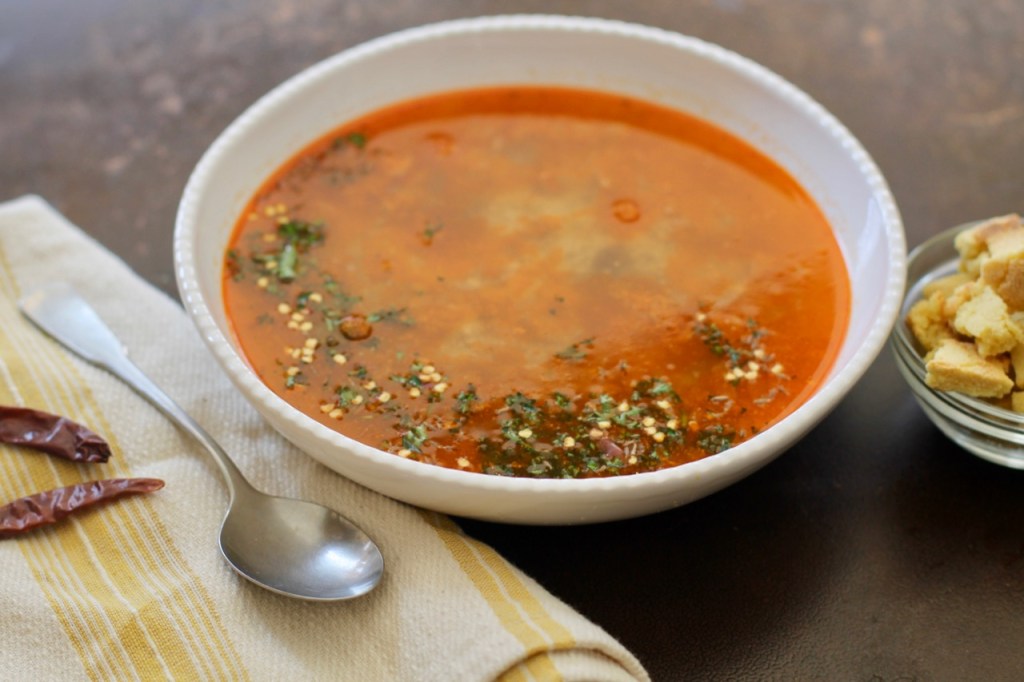
Hello, I’m writing this post from voluntary quarantine. My recipe may be helpful for getting through these difficult times although I normally make it quite often. It is very simple, tasty and nourishing as the main ingredients are eggs, caraway seeds and broth. It is the Hungarian version of the hot and sour soup. It can be served with semolina croutons or any bread croutons that you can buy in stores.

RECIPE

INGREDIENTS

  • 4 cup broth (vegetarian or chicken) or water
  • oil (vegetable or lard)
  • 1 smaller onion, finally chopped
  • 1 tsp Hungarian sweet paprika
  • 1 bay leaf
  • 1 Tbsp caraway seeds
  • 2 egg yolks
  • 1 Tbsp vinegar
  • about 1 cup of semolina flour + 2 eggs or bread croutons
  • dehydrated vegetable seasoning (optional)
  • parsley, chopped
  • Hot pepper to taste

DIRECTIONS FOR THE SOUP

  • Have 1/4 cup of cold water ready
  • Sauté the onion in a medium sized pot until translucent.
  • Add 1 Tbsp flour to make the roux. Stir for 3 minute or until it turns a beautiful orange color.
  • Add 1 tsp paprika and stir for 1 minute.
  • Add the water that was set aside from the first step, stir well.
  • Add stock, bay leaves, and caraway seeds. Bring to a boil and cook for 20 minutes covered.
  • Turn off the heat.
  • Separate 2 eggs. In a small bowl, lightly beat the yolks. Add a small amount of liquid from the soup, mix. Slowly add to the soup while stirring the soup in a circular motion. You can use the egg white for something else.
  • Add vinegar and dehydrated vegetable seasoning (optional)
  • Season with salt, black pepper and hot red pepper to taste.
  • Serve hot with semolina croutons or bread croutons.

DIRECTIONS FOR THE SEMOLINA CROUTONS (optional)

  • Lightly beat 2 eggs. Add 1/2 tsp salt, 1 Tbsp oil.
  • Add about 1 cup of semolina flour or as much what the eggs takes up. You should get a dough that is dry enough so you can pick it it up and make it into a circular shape. Make sure you don’t add too much because it will be too dry.
  • If possible let it sit for 1 hour.
  • Pan fry this dough in a lightly oiled frying pan on both sides until golden brown.
  • Take out of frying pan and cut up into small squares.

Enjoy!

SOURCE

Recipe, text and photo by twincitiesherbs.com.
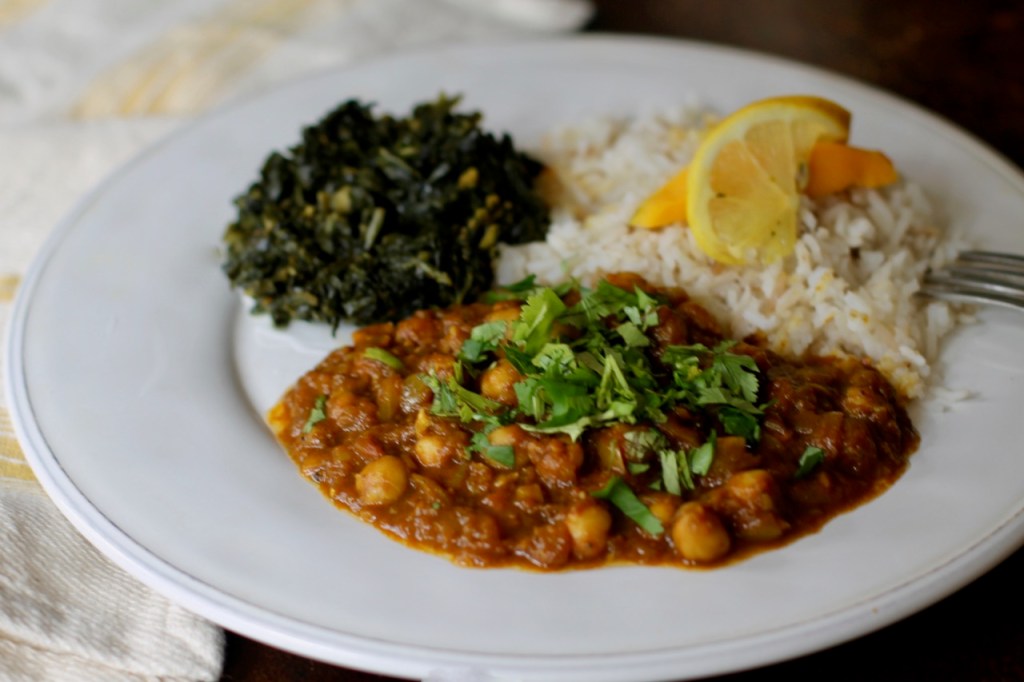
Chana masala (Indian chickpea dish)

Chana masala is a delicious Indian dish that would be great for the spring. I still vividly remember the first time I had chana masala at a friend’s house. He had us over for dinner when his parents came to visit from India like 25 years ago. I did not even recognize the chickpeas … I actually thought they were chestnuts. I never got the recipe but his mother gave me some tips. (Thanks to the internet I found this recipe on line and I think it is very close to what we had that night).

Chana means garbanzo beans and is the main ingredient in the dish. The secrete to this dish is to prepare these beans properly. I remember our friend’s mother told me to cook the beans for a long time. They should be cooked for 3 hours or you can use a pressure cooker according to its instructions, of course. Cooking for this long will soften the beans and let the flavors come out. So if time is not an issue, I would recommend home cooked chickpeas instead of using the canned ones. The canned beans will not have the same results for sure.

Garam masala is the main spice in the dish. It is not just one spice but is actually a cleverly chosen mixture of a few spices: fennel seeds, star anise, mace, black cardamom. It is nicely balanced so one flavor will not overwhelm the dish. You can blend it yourself or you can just buy it. (I ended up buying it at the store).

This is a common dish that people in India make on a regular basis for lunch or dinner. It has an interesting flavor, taste and texture. It can be made less spicy, if you don’t like spicy dishes, just leave out the green chili. So chana masala is basically a chickpea curry cooked in an onion tomato sauce with the spices. I always wonder how poor people in India get by on very little money and still eat well. This dish might be one of their secrets …

RECIPE

-I doubled the recipe

serves 3-4 people

  • 1 cup of dried chickpeas or 1 (15oz) can
  • 3 cups of water

Ingredients for the tomato sauce

  • 2 Tbsp vegetable oil/ghee
  • 2 large onions, finally chopped
  • 2 garlic cloves, minced
  • 1 inch ginger piece, finally chopped
  • 2 medium tomatoes, chopped
  • 1/2-3/4 TBSP of red chili powder (adjust to taste)
  • 1/4 tsp turmeric powder
  • salt to taste

Ingredients for the chana masala gravy

  • 1 bay leaf
  • 1 inch cinnamon stick (If you double up the recipe, you will not need to add another cinnamon stick)
  • 2-3 clove pieces
  • 3 green cardamom pods without the shells.
  • 1 green chili pepper, chopped (optional)
  • 1-1 1/2 tsp garam masala
  • 1 1/2 tsp coriander powder
  • 2 pinch mango powder (amchur) (optional)
  • fenugreek leaves (optional)
  • coriander leaves

Directions

Clean and soak the chickpeas for at least 8 hours. Pour off soaking liquid. Add fresh cold water and cook for 3 hours. Less for pressure cooker. Save cooking liquid. Omit if using canned beans.

Directions for the tomato sauce

  • Sauté the onions in oil or ghee until golden. Add the chopped ginger for 1 minute, stir.
  • Add red chili powder and turmeric. Stir for 1 minute. Add garlic quickly, stir.
  • Quickly add chopped tomatoes and little salt, stir. Cook for 15-20 minutes or until there is a nice sauce. The onions should not taste raw.
  • Let this mixture cool. Add 1 tbsp liquid from the beans. Make a thick gravy with a blender. Set aside.

Directions for the Chana masala gravy

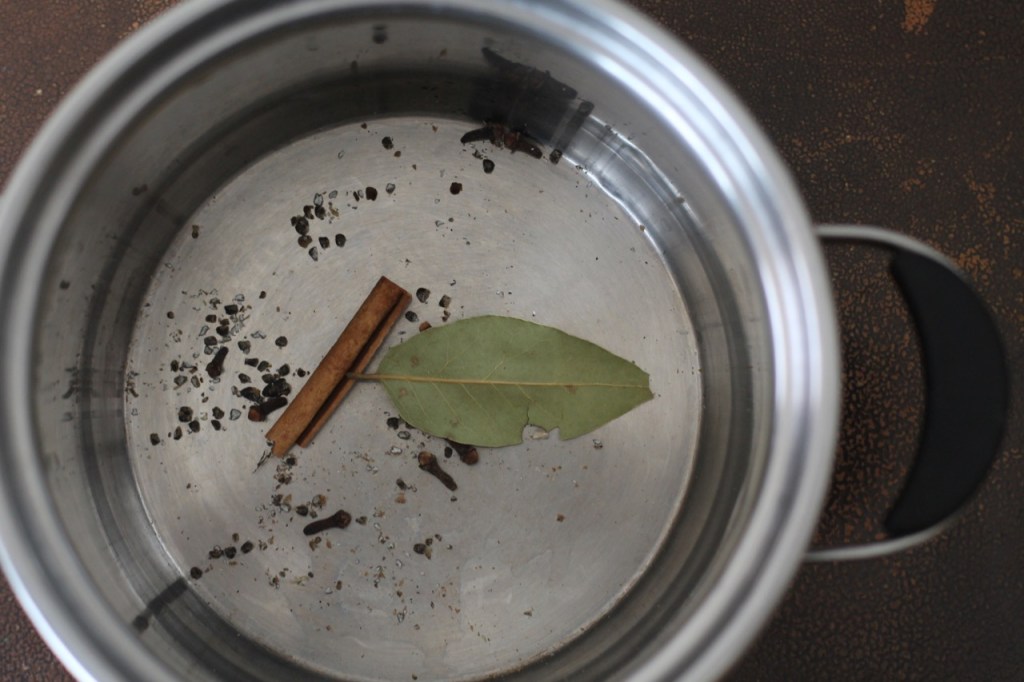
  • Dry heat the spices (cinnamon stick, bay leaf, cardamom, clove) in a pot for 1 minute until you can smell the aroma of the spices. Stir. I grind the cardamom as some people don’t like them in their foods whole.
  • Pour the blended tomato sauce mixture from the previous step back into the pot, the chopped green chili pepper, coriander and garam masala powders and the spices.
  • Mix and cook for a few minutes until ingredients are mixed nicely.
  • Add the cooked chickpeas and the cooking water. You might have to add more water.
  • Bring to a boil and simmer for 5-6 minutes.
  • Taste the mixture and see if you need more garam masala. Boil and simmer for 2 more minutes if spices were added.
  • Take out the larger spices like bay leaves, cinnamon, cloves.
  • I also added salt here.
  • Keep it covered until served.
  • Serve hot with cilantro, yogurt, lemon, rice, vegetables and roti.

enjoy!

Source

https://www.indianhealthyrecipes.com/chana-masala/

Eating with the spring season

SPRING

No season brings more anticipation than spring … seeing how nature is slowly waking up and enjoying watching the plants grow. Spring is my favorite season. It is miraculous how the scenery quickly changes from snow and mud to luscious greenery. We can finally sit outside, eat fresh plants and wear lighter clothing. I feel that spring gives my creative energy a nice boost …

Spring is an important transition time of the year when we are moving out of the cold winter time into the hot summer time. It is true as they say spring comes in as a lion and leaves as a lamb. If we prepare our body in the winter, our immune system will be able to handle the changes easier. In addition, it is important to work with this transitional season so we can cope with its harshness easier and can enjoy the heat of the summer later.

Element: Wood

Organs: Liver, Gallbladder, Eyes, Ligaments

Sense: seeing

Color: green

Taste: sour

Supporting flavors: sweet, pungent, bitter

Emotion: anger

Evil: Wind

Spirit: vision

In Ancient Chinese Medicine, each season is associated with a natural element so spring is associated with the Wood element. Also, each element has corresponding Western organs. The Western organs of the Wood element are the Liver and the Gall bladder along with the organs that they control: the Eyes and the Ligaments. (I capitalized the organs because in Chinese Medicine, it is more like an organ is considered to be the organ itself and its energetic functions).

Chinese Medicine is not just concerned about the physical body, it believes that our spiritual health is also important. The health of our Wood element can greatly effect this higher self and vice versa. It enables us to make plans, have a clear vision and allows our energy to move freely in the body. In other words, eating well during the spring can have an effect on the spiritual aspect of a person, too.

Our body should be flexible like a tree in the spring wind both mentally and physically. A healthy tree can easily yield to any wind and not fall over. We try to create this in our body by nourishing the liver and giving our body a break from all heavier, fatty, denatured foods, chemicals and intoxicants.

The energy of spring is more ascending and expansive like the new shoots on the plants. In a similar fashion, the liver’s energy tends to move upwards and is more active. To create this outside climate inside our body, Chinese Medicine recommends that the diet be the lightest of the year and to eat more cooling, nourishing, sweet, pungent and detoxifying foods.

More complex carbohydrates like grains, cereal grasses, legumes, seeds, young beets, carrots along with all new spring foods are great sweet foods. Pungent cooking herbs – like ginger, garlic, scallions, basil, fennel, marjoram, caraway seeds, dill, bay leaves – are great to help the liver’s active energy.

Spring is the season to cleans our body and mind. As I mentioned earlier, we need to give our liver a break from heavier foods. As spring arrives, we naturally tend to eat less. In fact, people have been traditionally doing their fasting early spring to make a smoother transition into spring and be able to cope with summer’s heat later. The detoxifying process can be a very spiritual experience as well.

The bitter, sour and detoxifying foods can help this fasting process. Bitter foods are burdock root, dandelion root/leaves, artichoke, lettuce, spinach, asparagus, amaranth, quinoa, alfalfa, radish, citrus peel. Foods that detoxify and cool the liver are mung beans, celery, seaweed, lettuce, cucumber, watercress, tofu, millet, chlorophyll-rich foods, mushrooms, rhubarb stem/root. Also oats, sage, fennel, pine nuts, flax seed oil are beneficial for the liver.

In addition, small amount of vinegar or lemon have all three properties. For instance, people often drink a little lemonade in the morning with maple syrup or sugar (but not honey!) and cayenne pepper to get the liver ready for the day. The juice of one lemon is great. (Caution: do not take too much vinegar or lemon, as you can achieve the opposite effect).

Our eating and cooking habits should change as spring moves in. In general, our diet should become more simple. Foods should be cooked quickly at higher temperatures in other words the quick sauté method is preferred. Try to aim for simple food combinations. Also, it is best to eat dinner earlier than during the summer months. I would say dinner should be done by 6-7 pm. According to Chinese Medicine, Liver time when our liver is the most active is between 11 pm and 1 am so our food should be digested by this time so the liver can do its jobs more efficiently … and it has 100+ jobs that it does regularly …

Spring is the time when we naturally eat less and eat lighter foods. In general, the liver likes to be cool and well nourished. We should be minimizing salt, fats, meats and eggs and eat more vegetables and grains. Of course, all over-processed foods should be avoided. Just like we do spring cleaning in our homes, we need to ‘clean’ out the inside of our body.

Source

  • Paul Pitchford: Healing with Whole Foods
  • Art: Unkown

Gourmet kitchari (moong dal)

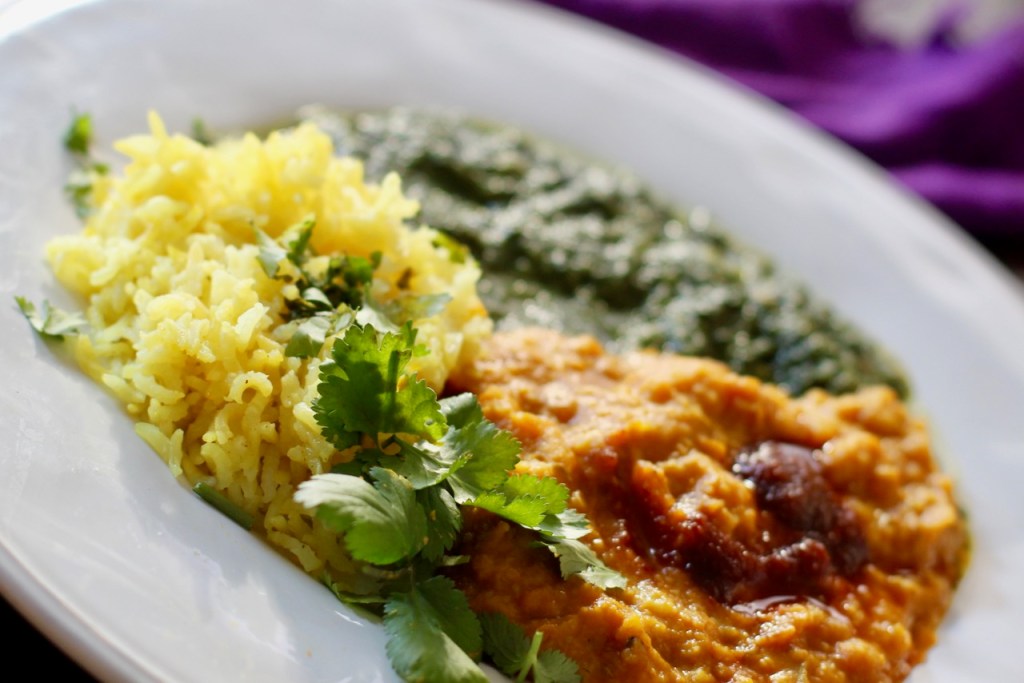
I don’t know if the ground hog’s prediction is right or wrong but it is still cold here. So let’s go to a more exotic place like India and get a popular dish called kitchari. No worries, no exotic foods will be used. You should be able to find all the ingredients here in the US. If your grocery store does not have them, you can try any Indian or Asian store but really all these ingredients are common in the US. I serve the dish with whatever vegetables I can get in the store, spinach, kale, cauliflower etc.

Kitchari is a traditional nourishing soup from India that is made with mung beans and rice infused with some amazing Indian spices. It is great when you want something grounding and warming. It is often consumed during Ayurvedic cleanses or as a light meal to support digestion and overall well-being.

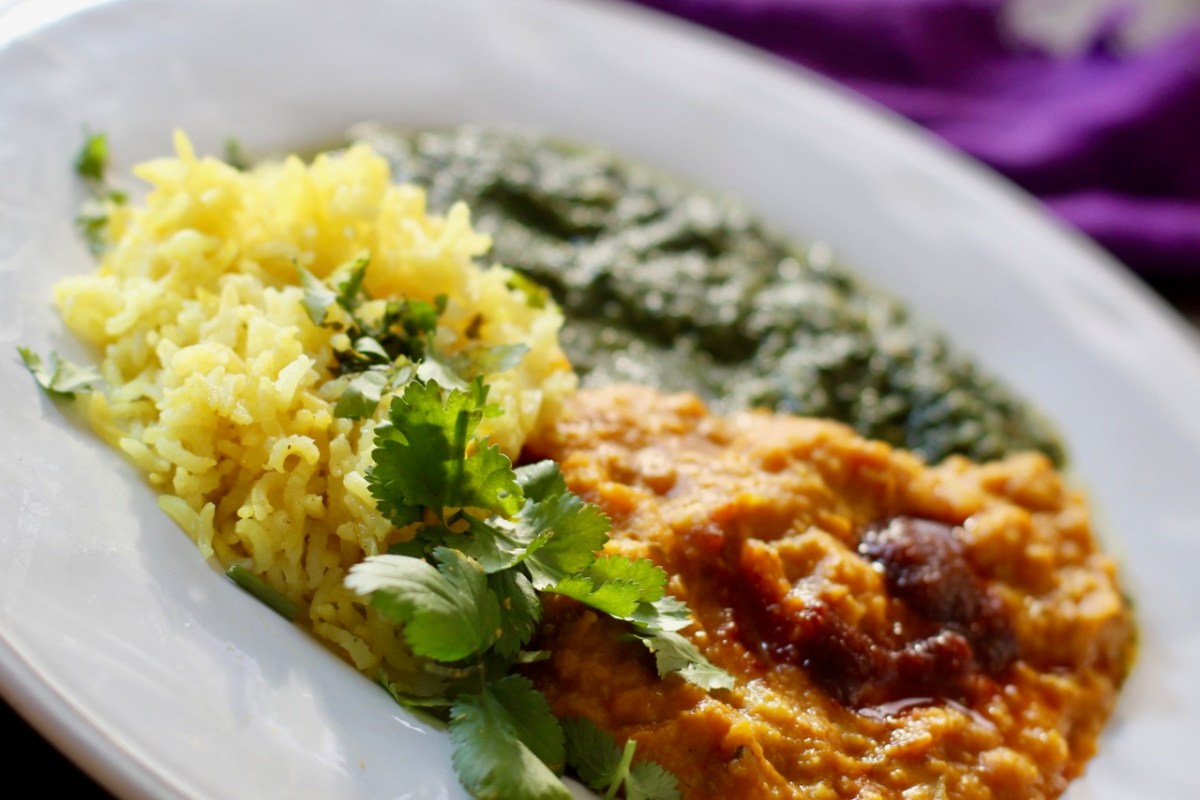
This dish is more of a gourmet version of the simple kitchari with the addition of mustard seed, cinnamon, cardamom and chili pepper to suit our winter needs. You can also add your favorite vegetarian dishes to make it more complete and fun. I used spinach, paneer, fried mushrooms and rice.

RECIPE

Ingredients

  • 1 onion
  • 1 cup of uncooked mung beans
  • oil (I used home made ghee. )
  • 1 Tbsp fresh ginger, minced
  • 10 – 15 pieces mustard seeds
  • seeds of 3 green cardamom pods (discard green shell)
  • 1 tomato, chopped (canned is fine)
  • 1/2 tsp cumin seeds
  • 1 tsp cumin powder
  • 1 tsp coriander powder
  • 1 tsp turmeric powder
  • 2 cloves of garlic
  • 1 stick cinnamon
  • 1 cup stock or water (more if you want a soup)
  • salt and black pepper to taste
  • yogurt
  • cilantro
  • lime or lemon

Direction

  • Clean and soak mung beans overnight but at least for 2 hours. Remove soaking liquid, discard. Set aside the beans.
  • Making the gravy. Saute the onion on medium high heat for 5- 10 minutes. When you smell the nice aroma of the onion, add the ginger, cardamom seeds, mustard seeds and cumin seeds, Stir for about 5 minutes.
  • Add the powders (turmeric, cumin, coriander) and garlic, stir for 1 minute. Add cold stock, stir.
  • Add 1 chopped tomato and cook for about 5-10 minutes until tomato becomes saucy.
  • Add mung beans prepared earlier. Bring to a boil, turn down heat and cook for 30 minutes.
  • Add cinnamon stick in the last 10 minutes.
  • When done, add chili pepper, salt and pepper to taste.
  • Serve warm with rice, yogurt, cilantro and lemon.
  • I also used paneer with spinach stew and fried mushrooms.

enjoy!

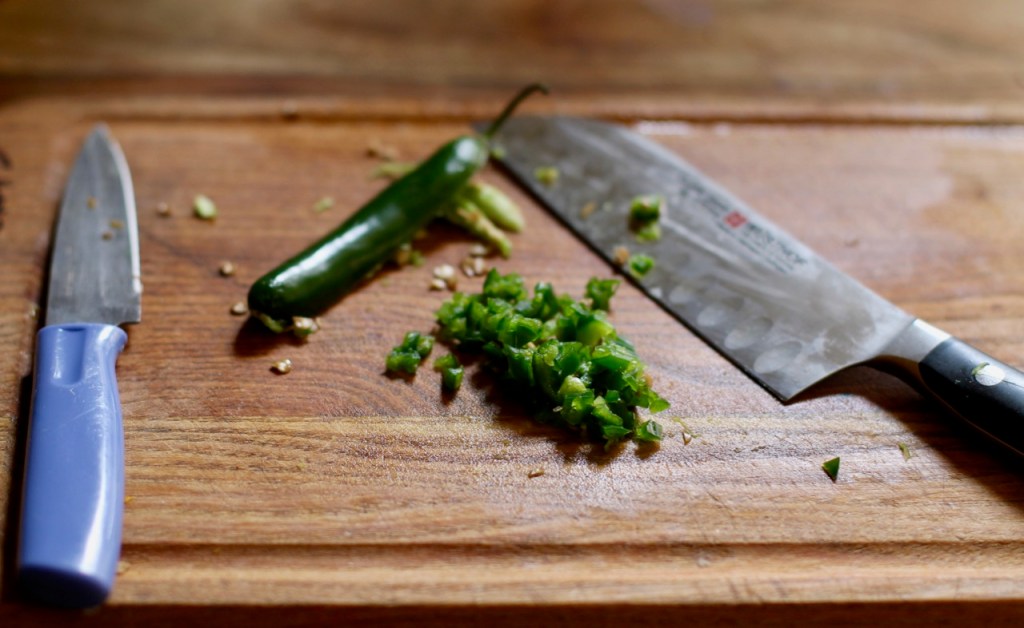
chopped chili pepper

Recipe, photo and text by twincitiesherbs.com.

Sauerkraut dish with kielbasa

This delicious dish is very easy to make. I probably should have called it the bachelor/bachelorette sauerkraut dish … but it is not just for the bachelors/bachelorettes, it is the perfect dish whenever you want to make something quick but tasty and healthy. Of course, you can never go wrong with sauerkraut, it is so healthy.

It is a super easy recipe but I would like to note a few things. The onion has to be finally chopped and the dish needs to be cooked well otherwise it will have a raw taste.

There are two types of sauerkraut. One is preserved with vinegar and the other is processed with salt. I prefer the salted version as it is less acidic and is better for health. This version acts as a probiotic and supports gut health and digestive functions. Of course, the vinegar version would be fine to use, too.

RECIPE

Serves 6-8 people

Ingredients

  • 1 onion, finally chopped
  • oil (sunflower, lard)
  • 4 large slices of bacon, chopped into small pieces (optional)
  • 1 tsp sweet Hungarian paprika
  • 2 cup cold meat stock
  • 1 tsp caraway seeds
  • 1/2 tsp mustard
  • couple of cloves garlic, crushed
  • 2 lbs of sauerkraut, rinsed
  • few springs of thyme or 1 tsp thyme
  • red chili pepper (optional)
  • 1 lb of kielbasa or sausage
  • sour cream to serve
  • rice or potatoes to serve
  • bread
  • salt and pepper to taste

Directions

  • Chop the onions making sure they are finally chopped. Also chop the bacon. Sauté onions in some oil for about 5 minutes on medium high heat. Add the bacon (if using) and continue sautéing for another 5 minutes.
  • Add the paprika and garlic for 1 minute. Stir. Add the cold stock, stir.
  • Rinse sauerkraut with water, strain.
  • Add the sauerkraut, mustard, red chili pepper (optional) and caraway seeds. You can add the meat too. Stir. If the meat is already cooked, you do not have to add it at this point. Although I personally like it if any meat is cooked in the dish regardless whether it is precooked or not. If you don’t include it at this step, just add it at the end.
  • Cook for 50 – 60 minutes until the sauerkraut is well cooked.
  • Season with salt and pepper.
  • Serve with sour cream and your choice of bread, potatoes or rice.

enjoy!

Ghee

Every time I make ghee I wonder how it was invented. Perhaps someone left some butter cooking on the stove by mistake … Ghee is not so well known in our culture but is widely used in many countries especially in India. It is called drawn oil in English and is served with steamed lobster and crabs in the United States. Chefs like to use it because it has a high boiling point so it does not burn easily. In fact, ghee is one the best cooking oils. In addition to its convenience, people in India use it for its numerous health benefits and is considered to be a sacred food.

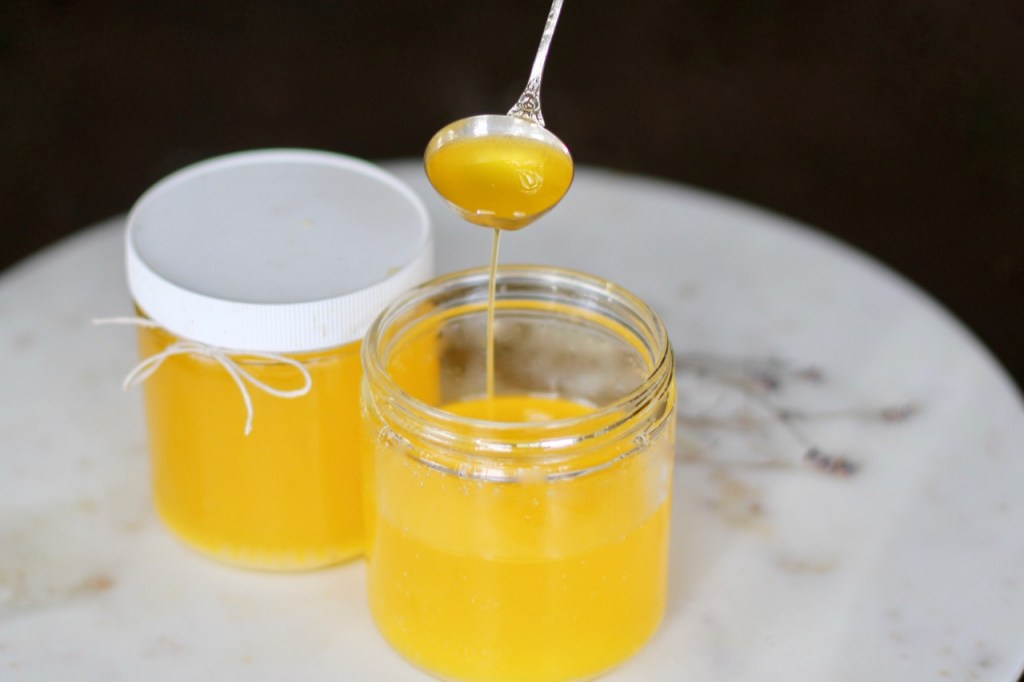
What is ghee? Ghee is basically butter with the milk solids removed resulting in clarified butter. It is made by gently boiling butter and removing the separated milk solids that are formed during the process. Ayurveda, the ancient Vedic Natural Medicine of India, believes that the milk solids are toxic and should be discarded. In the absence of the milk solids, butter is more suitable for cooking at higher temperatures and is better for health.

So why should one make ghee?

One, it is cheaper. If you make it yourself, it is half the cost of the store bought ones or might be even less. Also, I like to know what is in my ghee. The store bought ones are definitely lesser quality even when you buy the organic ones. When you make your own, you have control over what butter is used. After all, ghee is all about being a healthy alternative to butter. And it is easy to make for sure. I just cook it on one of the back burners during breakfast or while I’m making dinner.

What do you need to make ghee?

You will need a pot with a heavy bottom to prevent butter from burning. In addition, you will need a strainer and a cheese cloth that will help you remove the unwanted protein. You will also need jars to store ghee. 1 lb of butter yields 1/2 quart of ghee. Try to use a jar with a wider mouth that is not too deep.

How can you use ghee for?

Of course, you can use it to make Indian dishes as they generally call for ghee. It can also be used any time when the recipe calls for butter. I like to use it for baking pancakes. It is great if you are like me and prefer your pancakes to have that nice buttery flavor and you don’t want to worry about burning the butter. In addition, as I have mentioned before, it is used as a dipping sauce for steamed lobster and crabs. Feel free to experiment and include it in your cooking any time.

So let’s look at all those claims, I’ll try not to be too long. Ghee is considered to be a big health remedy in Natural Medicine. In Ayurveda, it is considered to be pitta and vatta pacifying which means it is good for hot conditions like inflammation and also dryness when nourishment is needed in the body. It is great for the entire body from the joints, tissues, digestion to the nervous system and many more. In addition, it is especially a great remedy for longevity.

It is great for digestion. The big issue with fats is that they can slow down digestion. Well, ghee actually helps this process as it increases the digestive fire and enhances absorption and assimilation so it can even be used by kapha type people. Kapha type people are individuals whose digestion tends to slow down by oils and they can gain weight easily. These people are advised to use ghee as an oil in moderation -of course. It keeps the gastrointestinal tracts healthy, thereby helping digestion. Also, people with dairy allergy can often tolerate ghee without problems.

RECIPE

Ingredients

1 lb of organic unsalted butter (possibly grass fed)

Preparation

  • In a medium sized pot with a heavy bottom, start melting butter at medium high heat. Set your burner to 2-3 on your stove but try to find the appropriate temperature. Make sure the butter does not burn. After the melted butter starts bubbling, cook it for another 10 minutes on medium low heat. It will start turning a lovely golden color with whitish particles that kind of look like popcorn.
  • Do not cover the pot because the liquids need to evaporate from the butter.
  • The butter will foam and sputter for a while and then start quieting down. You can stir the mixture but I haven’t seen any difference when I don’t. When done, turn the heat off. I let the mixture cool for 5- 10 minutes and strain off the solids. When you let it sit, the solids will settle on the bottom of the pot.
  • Line a fine strainer with a double layer cheese cloth and set them over a bowl. Pour the melted butter through the cheese cloth into this bowl. Discard the separated solids. Pour the clarified butter into the jar.
  • Store in a cool, dark space. It can keep for up to one year.

Source

Vasant Lad: The Complte Book of Ayurvedic Home Remedies

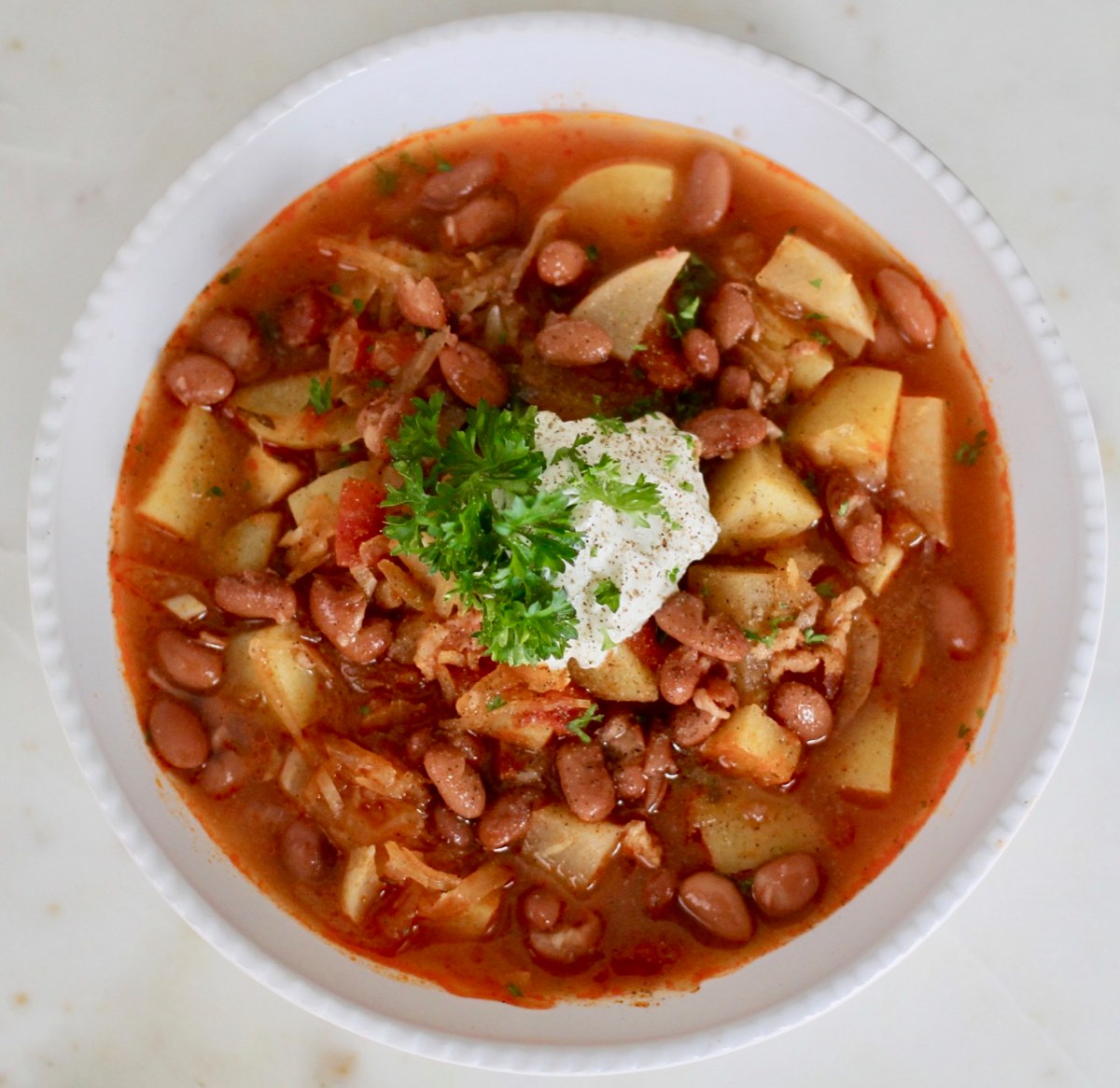
Soup with sauerkraut, potatoes and beans (Jota)

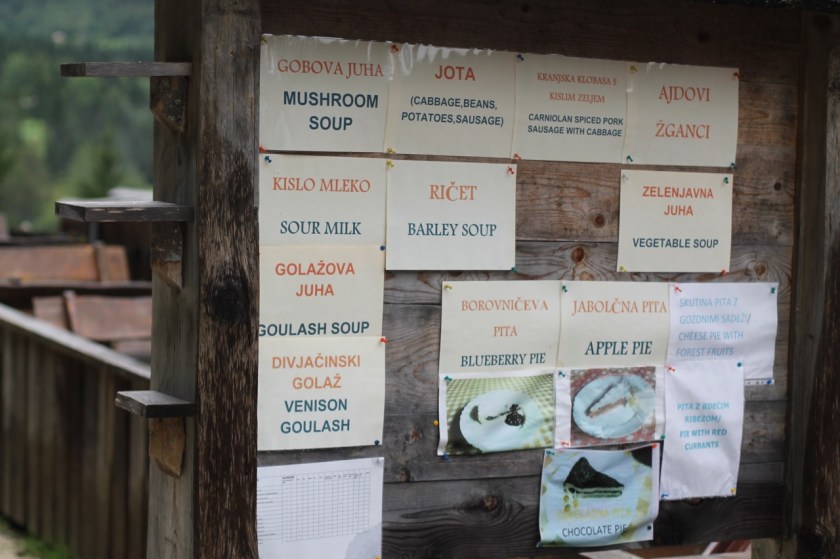
In the summer when we were hiking in the Julian Alps in Slovenia, we found a quaint little restaurant that served simple and very tasty dishes. When we went hiking, we treated ourselves to a delicious lunch every time. Here, I found this interesting soup with sauerkraut, potatoes and beans.

Jota, the Slovenian soup with sauerkraut, potatoes and beans is just a simple dish that can warm your body and soul on a cold winter night or a cool, rainy day in the mountains in the summer.

RECIPE

Ingredients

  • oil
  • 1 large onion, diced
  • 2 strips of bacon
  • 2 cloves of garlic clove, crushed
  • 1 tsp of sweet paprika powder (optional)
  • 1 tsp caraway seeds, 2 bay leaves, 1 Tbsp black peppercorns (optional)
  • 2 cups of uncooked kidney beans or 30 oz canned kidney beans
  • meat stock
  • 1 fresh tomato, diced or canned
  • 1 tbsp tomato paste
  • 1 pound potatoes (diced)
  • 1 pound sauerkraut (drained and rinsed)
  • 1 heaping Tbsp of flour
  • sour cream
  • salt and pepper to taste
  • eggs or sausage

Method

  • Clean and soak the beans overnight or for at least 8 hours. Rinse soaking water off. Add fresh cold filtered water, bayleaves and cook the beans for 1.5 hour or until soft but not mushy. Set aside.
  • In a large pot, sauté onion and bacon for 10 minutes. Add paprika, stir and add garlic, stir. Add a tomatoes, tomato paste, stir and cook for 10 minutes. Drain and rinse sauerkraut. Add potatoes, sauerkraut, caraway seeds, bay leaves, pork and stock. Bring to a boil, reduce heat and simmer, uncovered and stirring occasionally, for at least 30 minutes or until potatoes and sauerkraut are very tender and the mixture is thick.
  • At the end, in a small bowl put 1 Tbsp of flour, mix it with some cooking liquid until smooth. Add into soup and cook for 5- 10 minutes.
  • If you like your soup to have a thicker consistency, you can take out the potatoes and put them in a blender with some of the cooking liquid.
  • Add the cooked beans with some of its liquid and warm up the pot so the beans are warm. Season with salt and pepper to taste.
  • Serve with bread, sour cream, eggs/sausage.
  • This can be served right away but will taste better the next day or even just a few days later.
The menu

enjoy!

Photos and text by twincitiesherbs.

Beet salad with caraway seeds

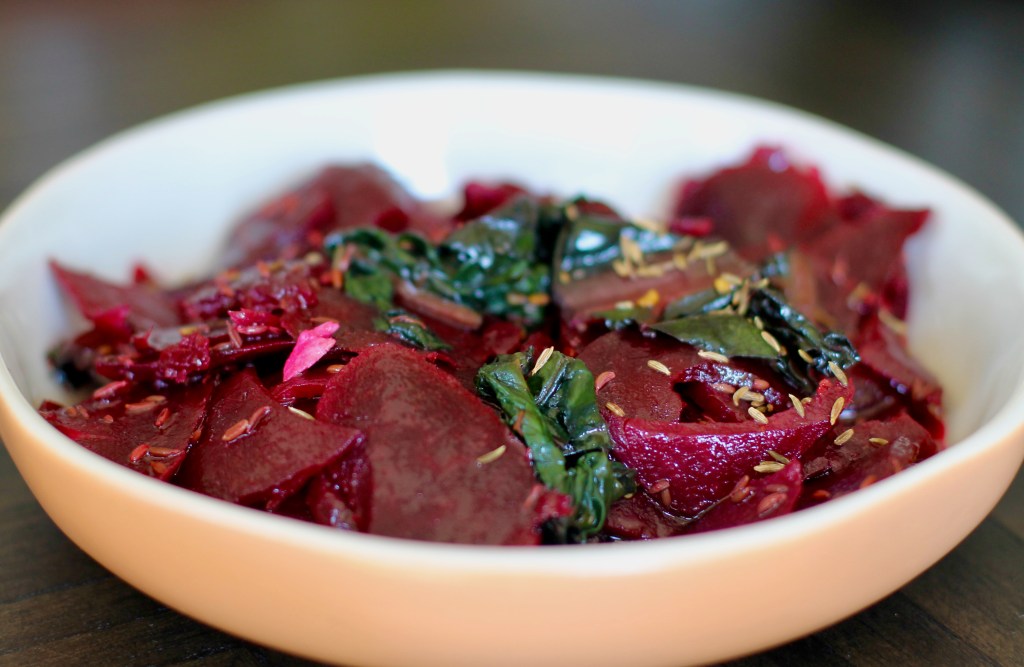
This is a simple tasty salad that is great for the winter. I just cook the beets and then use vinegar, oil, caraway seeds and salt to prepare the salad. I like to make a big jar full and keep it in refrigerator, it will keep for at least a month. You can serve it as a side dish.

For me, beets are the perfect plant to transition from the the winter into spring. Yes! Spring will come sooner or later, OK most likely later in the Midwest …

Beets are grounding, nourishing, and detoxifying. These qualities make them the perfect vegetable for this time of the year, for both winter and spring. They nourish and detoxify the liver, getting the body ready for the spring.

I used only one spice, caraway seeds. The bitter and aromatic caraway seeds have been around for a long time. They are used in many European countries to enhance the flavor of our food. It is one of the herbs that the ancient Greek doctors added to cooking for its health benefits. It is especially beneficial for digestion. I often take caraway seeds for granted but it is such a neat little herb that needs a little more attention. Please check this website for more info on caraway seeds .

RECIPE

Ingredients

  • 4 medium sized beets (about 1 lb)
  • 1 Tbsp caraway seeds
  • 1/8 cup vinegar
  • 1 Tbsp vegetable oil (I used sunflower oil)
  • 1/2 tsp salt or to taste
  • black pepper, to taste

Preparation

  • Cook beets for 1 hour until soft but not mushy. I like to put them on a steamer.
  • When done take the peel off with a sharper small knife. Slice or shred the beets thin. You can do this with a knife or a slicer.
  • Make the dressing. Put 1/8 cup of vinegar in 1 cup cup. Add enough water so the cup is full so you are adding 7/8th of a cup of water. Pour it in a medium sized bowl.
  • Add sliced cooked beets, caraway seeds, salt and oil. Mix.
  • Grind some black pepper on the salad if you wish. Mix.
  • Serve at room temperature on the side of any dish. You can add sautéed beet tops.

enjoy!

Source

Photos, recipe and text by twincitiesherbs.

White black bean chili soup

-can be vegetarian

This tasty soup is a fun twist to the regular chili soup. The difference is that the beef is replaced with turkey or chicken and the chili beans are replaced with white or black beans but otherwise it is very similar to the well known beef chili soup. Of course, you can add all your favorite ingredients that you would otherwise add to a chili soup.

The biggest change in the recipe is the meat. Many people prefer the lighter turkey or chicken meat. The chicken or turkey is very nice here, the thigh gives more flavor and is cheaper but the breast would work well too.

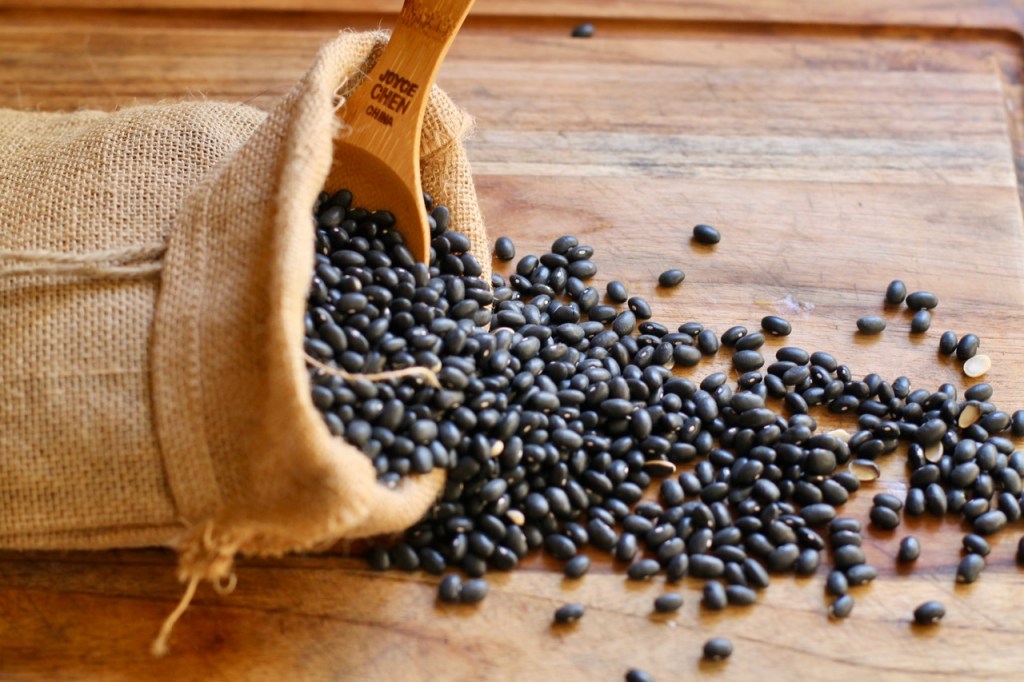
Perhaps it would be more accurate to call this soup black and white chili soup. The white makes sense with the white meat but I used black beans instead of white beans because I think it has more flavor. Of course, you can use either.

I decided to post this recipe now because beans especially black beans are great in the winter. The warming black beans have a sweet flavor and nourish the kidneys. It also improves digestion and is great for overall health. It is native to the Americas and have been used for thousands of years. No wonder the natives ate it with almost every meal.

I like to make my own chili spice, please follow the recipe below or buy it in a store ready made.

You can experiment with the vegetables of course, I added corn, carrots and green beans. In the summer, I like to add zucchini too. But please feel free to add whatever you would like.

Vegetarian readers might be wondering if this soup could be made vegetarian. The answer is yes! – you can take out the meat and just use vegetarian stock and I also added eggs. I have made it without meat, it is tasty.

Surprise your guests at a party or just treat yourself. Honestly, we believe that this version is even tastier than the original soup.

RECIPE

Ingredients

  • 1 large onion
  • vegetable oil
  • 2 celery stalks, chopped
  • 3 medium sized carrots, sliced
  • 2 strips of bacon (optional)
  • 1 lb ground chicken or turkey thigh or breast
  • 2 large tomatoes or 29 oz canned chopped tomatoes
  • 5 tsp of chili seasoning (please see recipe below)
  • 2 garlic cloves
  • 8 cups chicken stock
  • 4 oz corn (frozen)
  • 8 oz vegetables. I used green beans. Also zucchini would be fine
  • 2 cups of uncooked black beans or 28 oz of canned beans
  • 1 jalapeño pepper, chopped
  • salt and pepper to taste
  • yellow cheddar cheese
  • chips
  • sour cream
  • cilantro

Chili seasoning ingredients

  • 1 Tbsp (3 tsp) chili powder
  • 2 tsp cumin powder
  • 1 tsp oregano
  • 1 tsp smoked paprika
  • 1 tsp coriander powder
  • 1/4 tsp cayenne pepper (optional)

Preparation

  • Wash and soak beans in cold water for 8 hours or overnight. Pour off the liquid and wash well. Add cold filtered water and cook for 2 hours or until soft but not falling apart. Omit if using canned beans. The home-made beans are well worth the extra effort though, they taste so much better.
  • Make the stock. Omit if using ready made stock.
  • Heat oil in a large pot with a large surface area. Sauté the chopped onion for 5 minutes. Mix. Add the celery. Sauté for 10 more minutes.
  • Render the bacon.
  • Add the chili seasoning and the crushed garlic cloves for 1 minute. Stir.
  • Quickly add the tomatoes, stir. Cook for about 10 minutes or until the tomatoes make a nice sauce.
  • Add the carrots, vegetables and jalapeño pepper. Add enough stock so the liquid covers the soup well. Cook for 1 hour or until the carrots are soft.
  • Add the black beans with its liquid and more stock if needed to cover everything.
  • Season with salt and pepper to taste.
  • Serve hot with sour cream, chips, cilantro.

enjoy!

Text and photo by Twinctiesherbs.