Chana masala (Indian chickpea dish)

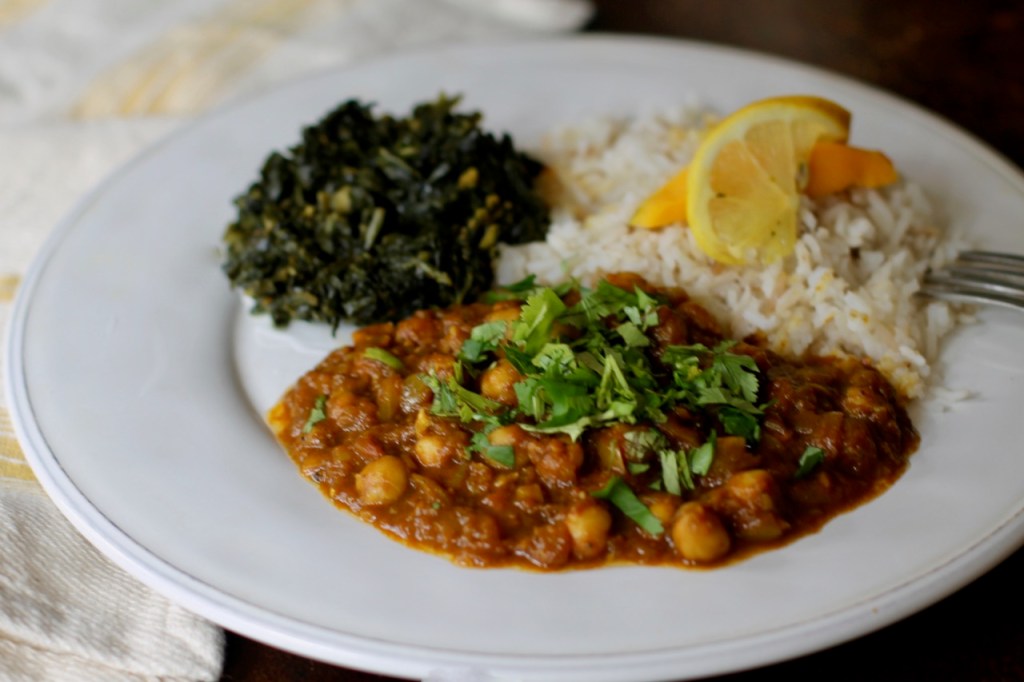
Chana masala is a delicious Indian dish that would be great for the spring. I still vividly remember the first time I had chana masala at a friend’s house. He had us over for dinner when his parents came to visit from India like 25 years ago. I did not even recognize the chickpeas … I actually thought they were chestnuts. I never got the recipe but his mother gave me some tips. (Thanks to the internet I found this recipe on line and I think it is very close to what we had that night).

Chana means garbanzo beans and is the main ingredient in the dish. The secrete to this dish is to prepare these beans properly. I remember our friend’s mother told me to cook the beans for a long time. They should be cooked for 3 hours or you can use a pressure cooker according to its instructions, of course. Cooking for this long will soften the beans and let the flavors come out. So if time is not an issue, I would recommend home cooked chickpeas instead of using the canned ones. The canned beans will not have the same results for sure.

Garam masala is the main spice in the dish. It is not just one spice but is actually a cleverly chosen mixture of a few spices: fennel seeds, star anise, mace, black cardamom. It is nicely balanced so one flavor will not overwhelm the dish. You can blend it yourself or you can just buy it. (I ended up buying it at the store).

This is a common dish that people in India make on a regular basis for lunch or dinner. It has an interesting flavor, taste and texture. It can be made less spicy, if you don’t like spicy dishes, just leave out the green chili. So chana masala is basically a chickpea curry cooked in an onion tomato sauce with the spices. I always wonder how poor people in India get by on very little money and still eat well. This dish might be one of their secrets …

RECIPE

-I doubled the recipe

serves 3-4 people

  • 1 cup of dried chickpeas or 1 (15oz) can
  • 3 cups of water

Ingredients for the tomato sauce

  • 2 Tbsp vegetable oil/ghee
  • 2 large onions, finally chopped
  • 2 garlic cloves, minced
  • 1 inch ginger piece, finally chopped
  • 2 medium tomatoes, chopped
  • 1/2-3/4 TBSP of red chili powder (adjust to taste)
  • 1/4 tsp turmeric powder
  • salt to taste

Ingredients for the chana masala gravy

  • 1 bay leaf
  • 1 inch cinnamon stick (If you double up the recipe, you will not need to add another cinnamon stick)
  • 2-3 clove pieces
  • 3 green cardamom pods without the shells.
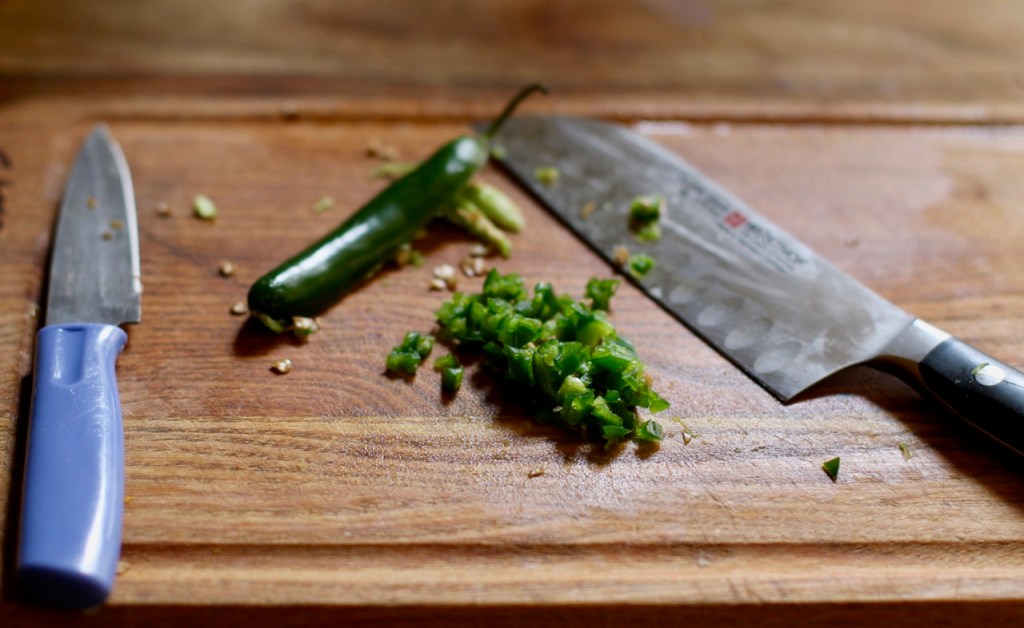
  • 1 green chili pepper, chopped (optional)
  • 1-1 1/2 tsp garam masala
  • 1 1/2 tsp coriander powder
  • 2 pinch mango powder (amchur) (optional)
  • fenugreek leaves (optional)
  • coriander leaves

Directions

Clean and soak the chickpeas for at least 8 hours. Pour off soaking liquid. Add fresh cold water and cook for 3 hours. Less for pressure cooker. Save cooking liquid. Omit if using canned beans.

Directions for the tomato sauce

  • Sauté the onions in oil or ghee until golden. Add the chopped ginger for 1 minute, stir.
  • Add red chili powder and turmeric. Stir for 1 minute. Add garlic quickly, stir.
  • Quickly add chopped tomatoes and little salt, stir. Cook for 15-20 minutes or until there is a nice sauce. The onions should not taste raw.
  • Let this mixture cool. Add 1 tbsp liquid from the beans. Make a thick gravy with a blender. Set aside.

Directions for the Chana masala gravy

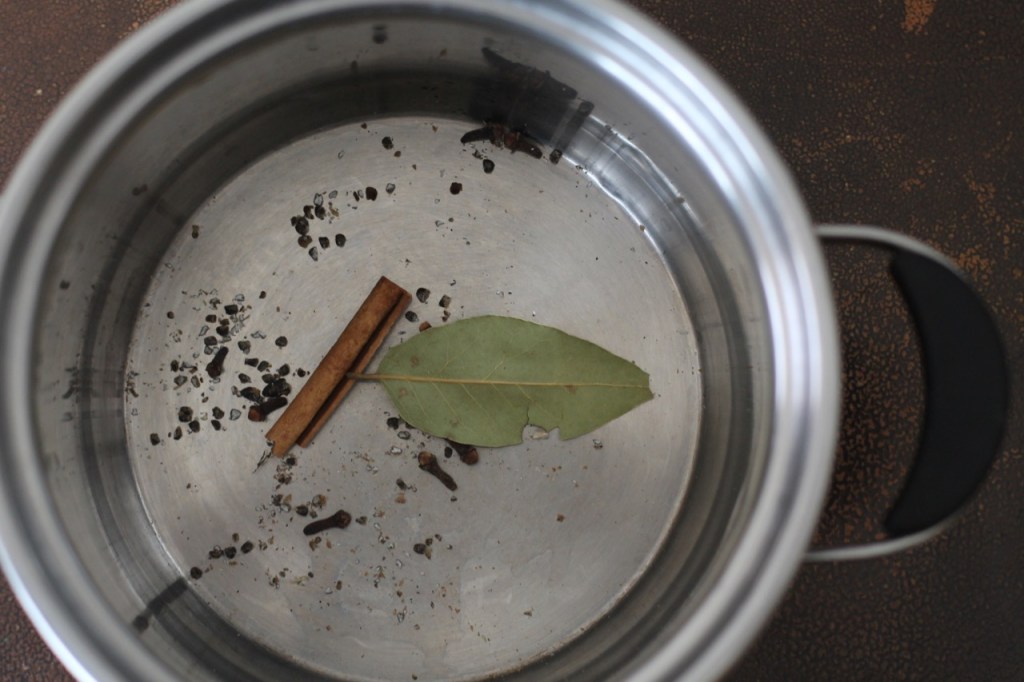
  • Dry heat the spices (cinnamon stick, bay leaf, cardamom, clove) in a pot for 1 minute until you can smell the aroma of the spices. Stir. I grind the cardamom as some people don’t like them in their foods whole.
  • Pour the blended tomato sauce mixture from the previous step back into the pot, the chopped green chili pepper, coriander and garam masala powders and the spices.
  • Mix and cook for a few minutes until ingredients are mixed nicely.
  • Add the cooked chickpeas and the cooking water. You might have to add more water.
  • Bring to a boil and simmer for 5-6 minutes.
  • Taste the mixture and see if you need more garam masala. Boil and simmer for 2 more minutes if spices were added.
  • Take out the larger spices like bay leaves, cinnamon, cloves.
  • I also added salt here.
  • Keep it covered until served.
  • Serve hot with cilantro, yogurt, lemon, rice, vegetables and roti.

enjoy!
Source
https://www.indianhealthyrecipes.com/chana-masala/

Moroccan eggplant stew with garbanzo beans

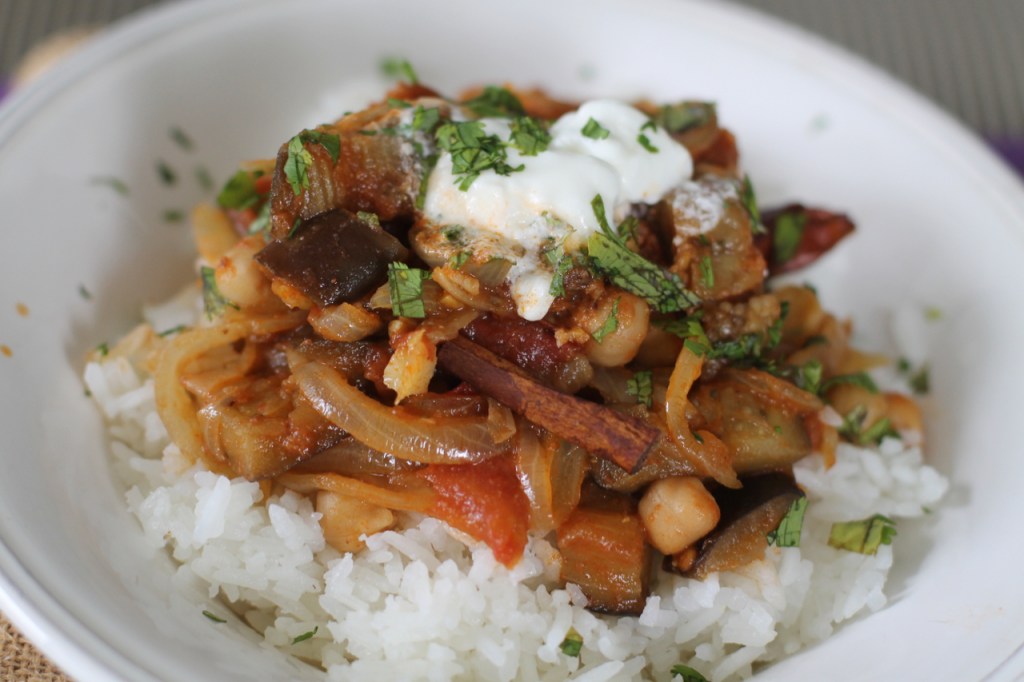
Enjoy this delicious and easy vegetarian eggplant dish. The eggplants are browned and cooked with some tomatoes, pungent spices, onions, and garbanzo beans. They are then served with rice or couscous and yogurt sauce. I also added sweet mama squash that complemented the dish nicely and made it more suitable for this ‘going from the summer into the fall’ time period. With the warming spices and the baked squash, it will be a great meal for this time of year. Not only that it suits the weather but it is delicious … honestly my family can’t get enough of it. I might have to go back to the farmers’ market tomorrow to get more eggplants.

RECIPE

Serves 4-5 people

Ingredients

  • 2 medium eggplants
  • olive oil
  • 2 large onions, sliced
  • 1 Tbsp graded fresh ginger
  • seasoning: 2 tsp paprika, 1 tsp cumin powder, 1 tsp coriander powder, 1/4 tsp nutmeg, 1 cinnamon stick,
  • pinch of saffron (optional)
  • 2 garlic cloves
  • 2 large tomatoes or 2 cups canned tomatoes
  • 1 cup dried garbanzo beans or 1 can (14 oz)
  • 1 dried hot pepper or to taste
  • salt and pepper
  • couscous or rice to serve
  • cilantro

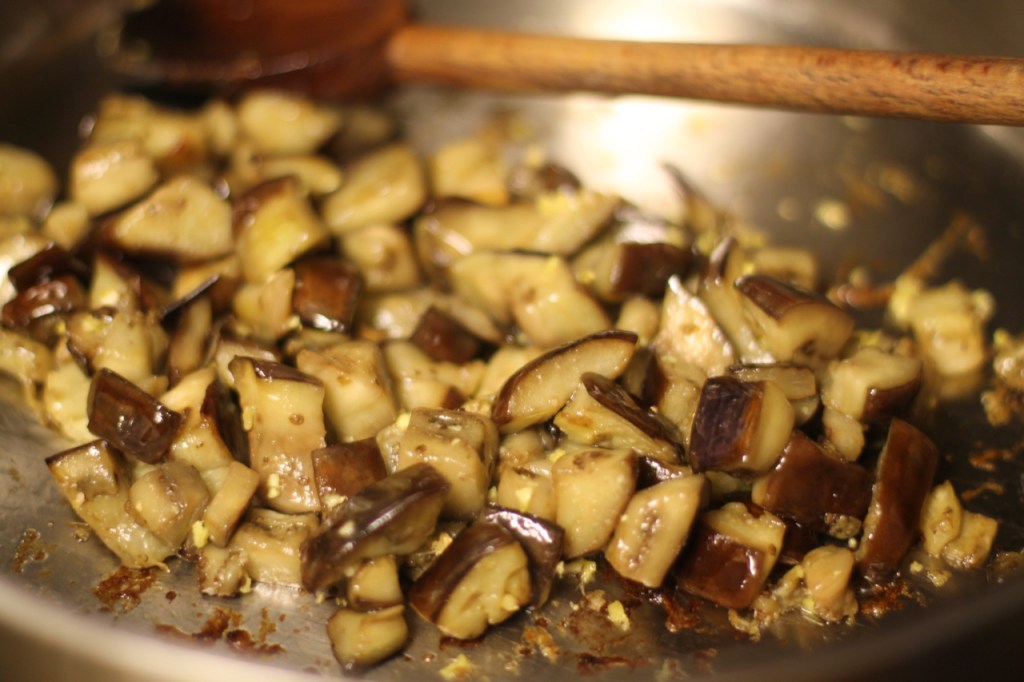
Browning the eggplants
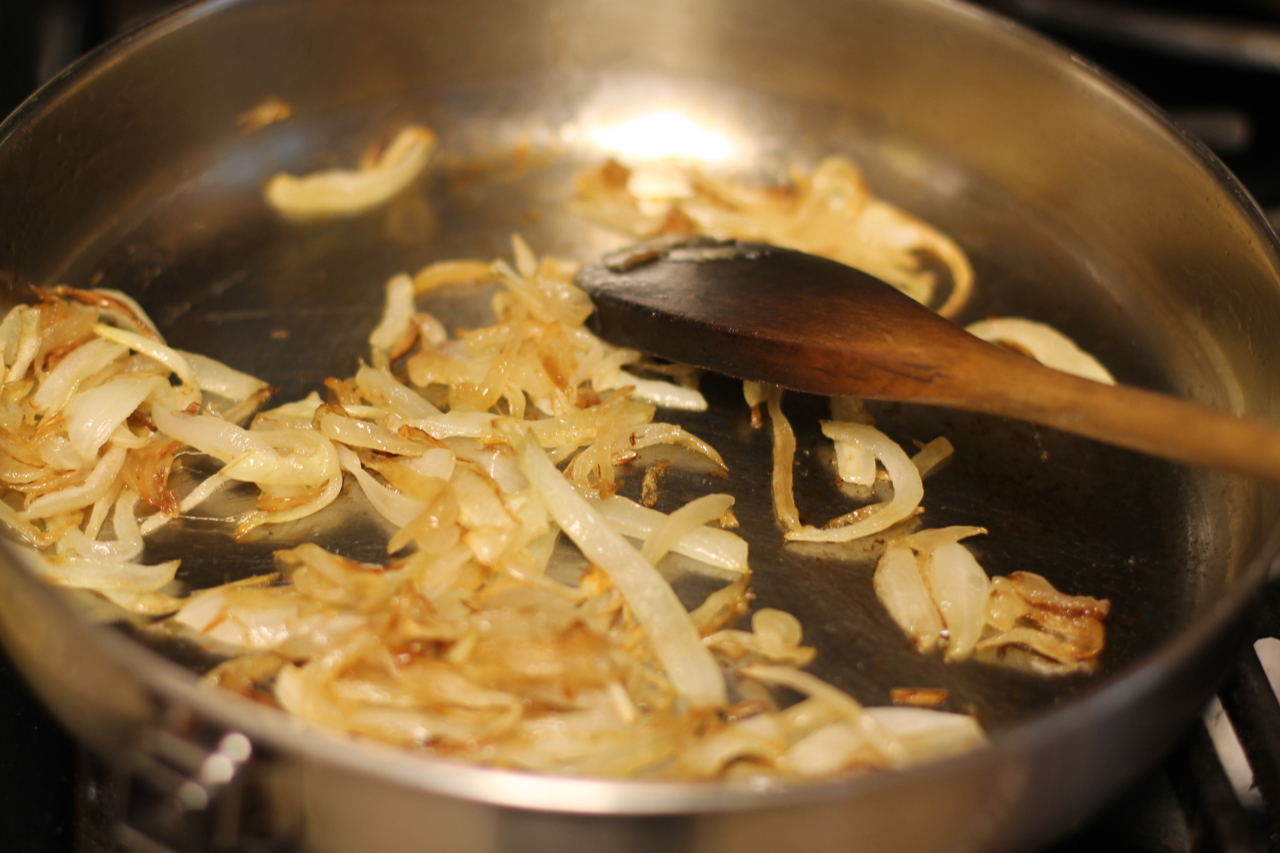
Browning the onions.

Directions

  • Garbanzo beans. Soak overnight and discard the soaking liquid. Add enough cold water to cover the beans. The water should be about 1 inch above the beans. Cook the beans for 3 hours. (You can use a pressure cooker, just adjust the time). They need to be cooked slowly for a long time until they are nice and soft. They can take up liquid after they are cooked so add more water if needed. Add 1 tsp salt when done.
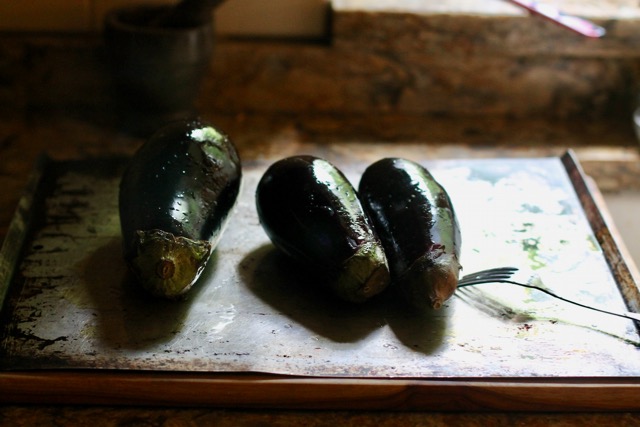
  • Preparing the eggplants. Wash and cut eggplants into cubes. Salt them and put them into a colander for 30 minutes to let the liquid drain. Pat dry.
  • Frying the eggplants. In a wide skillet, on medium low heat, slowly brown the eggplants in some olive oil for about 20- 30 minutes or until soft. They will not cook any more so make sure they are soft and well cooked before you add it to the sauce. Stir frequently. Make sure they don’t burn. Set aside.
  • Caramelize the onions. Brown the sliced onions in a separate dish in oil with care, it takes about 30 minutes. Stir frequently. Set aside.
  • Making the sauce. Crumple the saffron between your thumb and index finger and add hot liquid, stir well (optional). Otherwise you can just put whole saffron strains in the dish. Set aside. On medium high heat warm up 1 Tbsp oil and add the ginger for 5 minutes. Then add the paprika, cumin, garlic and stir for 1 minute to activate the spices. Add the chopped tomatoes and stir well. You can add a little water here too. Cook the tomatoes for about 5 minutes until they have become ‘saucy’. Add the saffron, cinnamon stick, freshly graded nutmeg and hot pepper. Bring to a boil and turn down the heat. Cook for 10 minutes on low medium heat. Add a little water if needed. Add the browned onions, eggplants and garbanzo beans from earlier. Cook for 5 more minutes covered. Let the dish sit for 15 minutes so the flavors can come together. Take out the cinnamon stick and the hot pepper pieces. Add salt and pepper or anything else that needs to be adjusted.
  • Serve with cilantro, rice or couscous and yogurt sauce. I also added some baked sweet mama squash slivers and they nicely complemented each other.

enjoy!

Recipe, photo and text by twincitiesherbs.com.

Butternut squash soup with a Midwestern flare

As the fall season is arriving, I feel like a little squirrel trying to get ready for the colder months: eating the great variety of fruits and vegetables, storing up foods, making last minute repairs and just mentally getting ready. By now we are aware that summer is gone and a new season is coming with all its beauty and challenges. It was the Autumnal Equinox a couple of days ago, when the days and nights are equal and from now on the days are going to get shorter and colder as well.

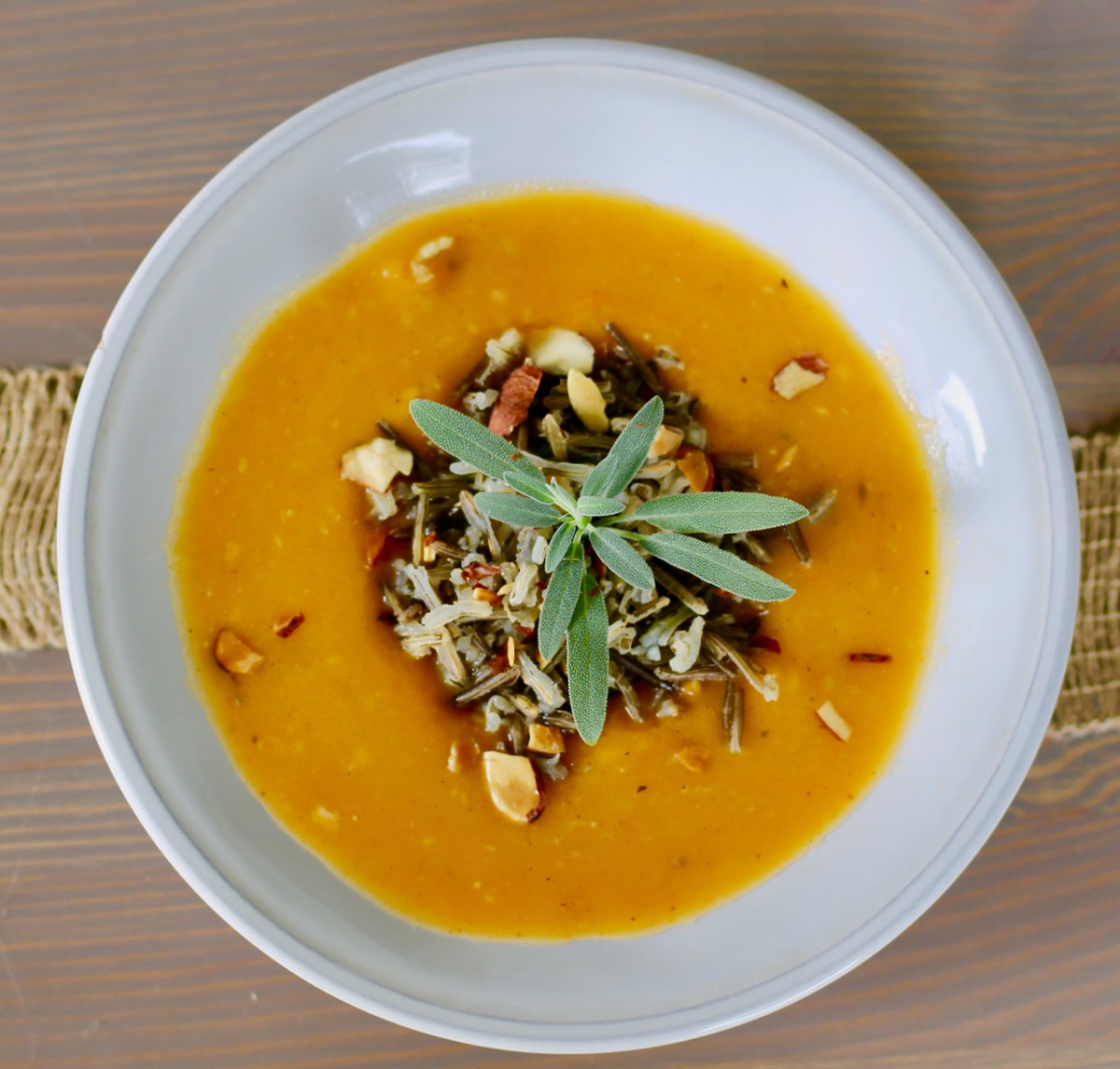
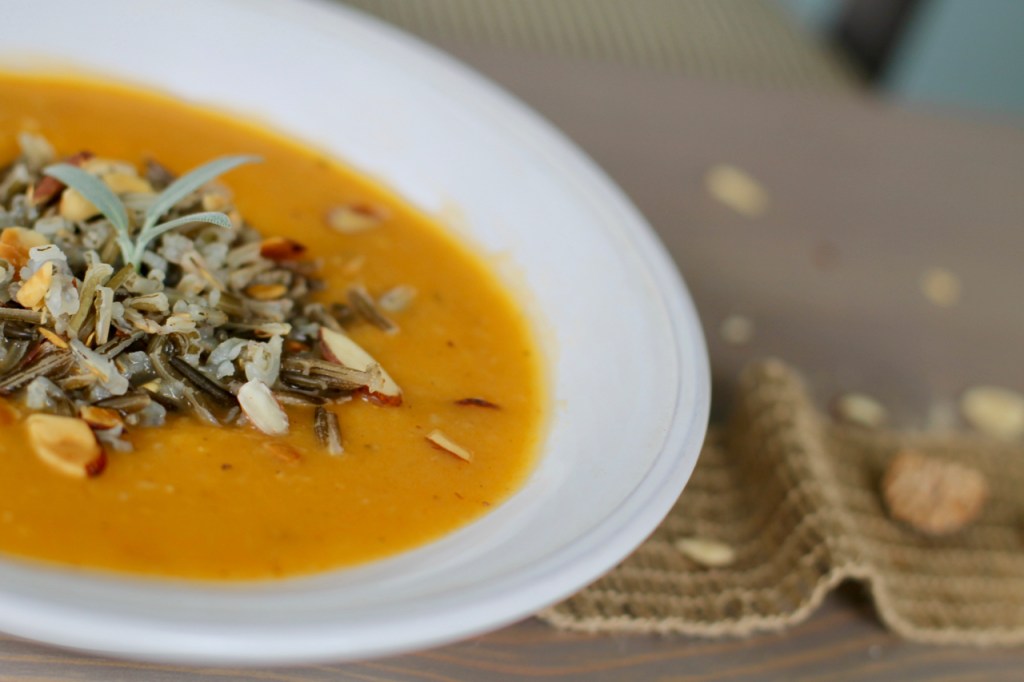
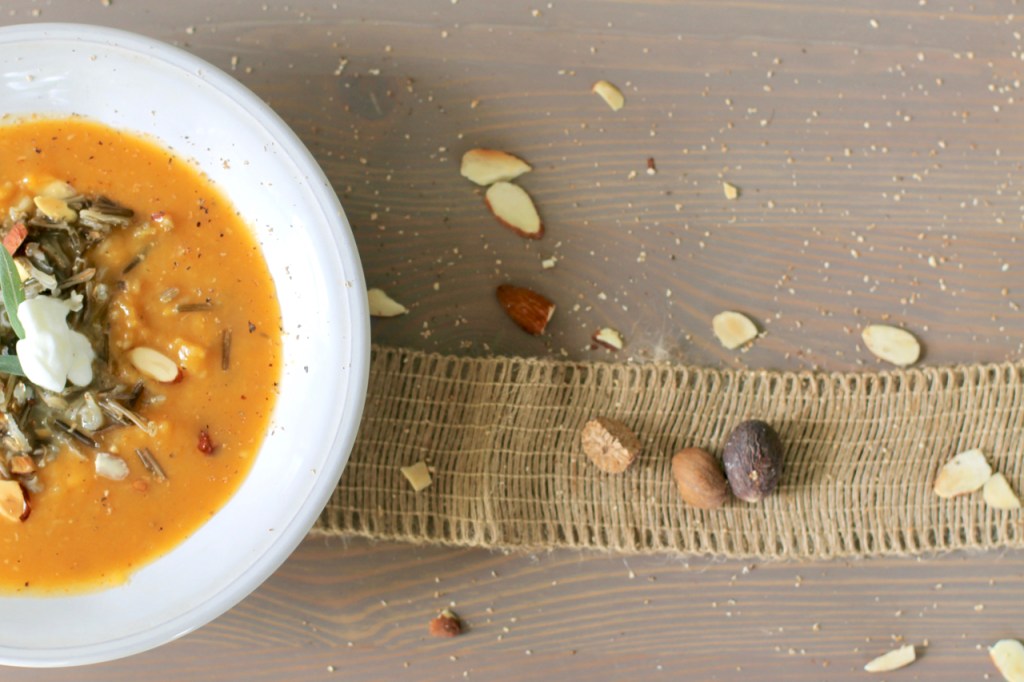
Warm up to the fall with this delicious squash soup. My recipe is made with a little Midwestern twist. I added wild rice, a Midwestern staple but it can be served with some hearty bread like rye bread instead. I enjoy squashes in all shapes and forms. Many of us think of squashes when we hear the word fall cooking so I will start off my fall recipe collection with a squash dish.

The warming sweet butternut squash is simmered with the white onion, garlic, potatoes and is balanced with the bitter celery root and the lovely pungent spices. At the end, it is topped with cream and the sweet almond slivers for a bit of crunchiness.

RECIPE

Ingredients

  • 1 medium sized butternut squash- about 3 lbs
  • 1 medium sized Russet potato, peeled and cut into cubes
  • 1 finally chopped large onion, white is the best
  • vegetable oil (sunflower)
  • 2 slices of smoked bacon (optional)
  • 1 Tbsp fresh ginger, about 1 inch long
  • 1 tsp of sweet Hungarian paprika (make sure it is authentic)
  • 1 smaller celery root, peeled and chopped up into 4 pieces
  • 5 cup stock (vegetable or chicken)
  • 2 garlic cloves, crushed
  • 1/4 tsp freshly ground nutmeg
  • 1 thyme spring
  • 1 tsp salt or to taste
  • 1/4 cup of heavy cream
  • freshly ground black pepper
  • red hot pepper to taste
  • 1 cup of almond slivers
  • 1 cup of uncooked wild rice or rye bread to serve

Directions

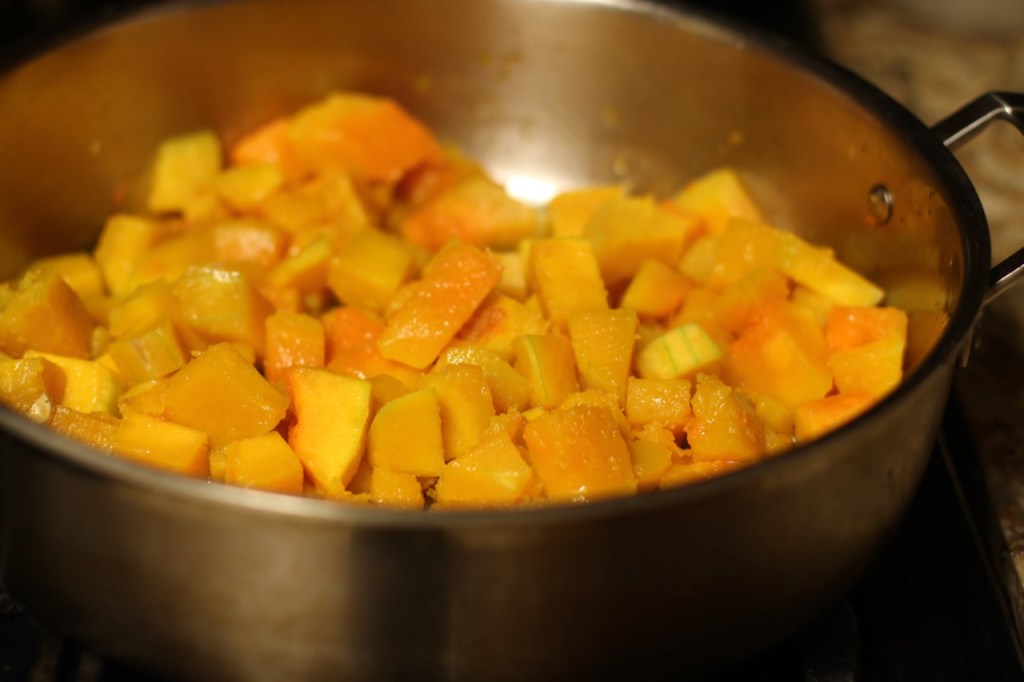
Preparing the squash. Peel and cut squash lengthwise, take out the seeds. Cut them into cubes. Warm up some oil on medium high heat and brown the cubes for a good 10-15 minutes.

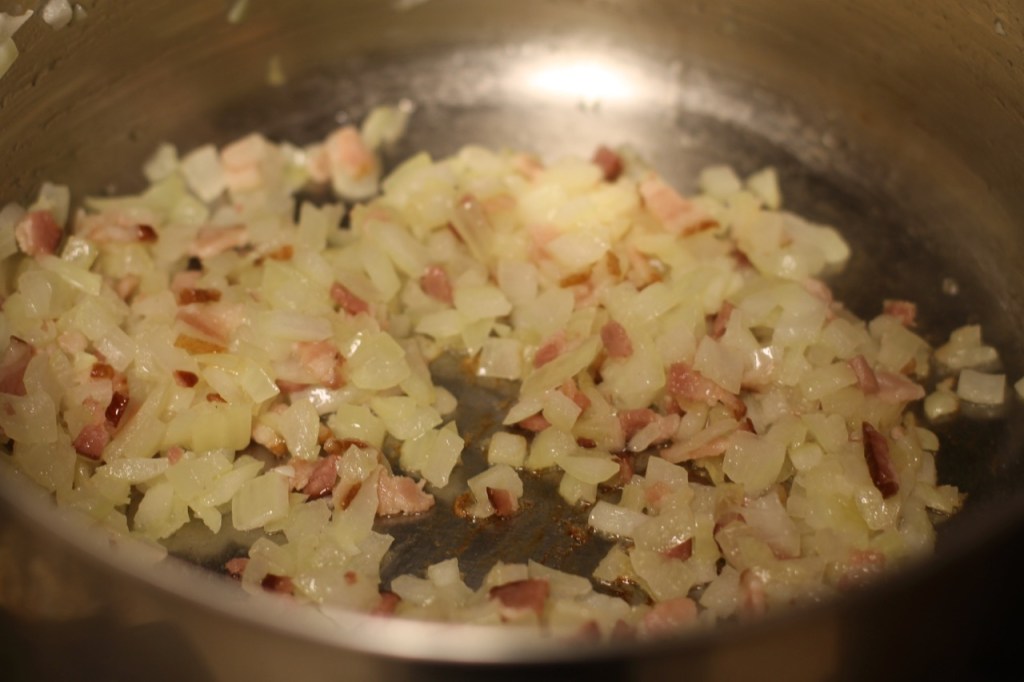
Make the soup base. Have 1/2 cup of cold water ready. Warm up the oil. Sauté the onion, and the bacon(optional). When translucent and you can smell the aroma of the the onions and the bacon, add the chopped ginger for a few minutes, stir. Add the crushed garlic and 1 tsp paprika, stir for 30 seconds to activate. Add the little cold water that you had set aside earlier, stir.

Put the browned squash, potatoes, thyme spring, the freshly ground nutmeg and the celery root in the pot. Add the stock, enough to cover by about 1 inch above everything and cook for 30 minutes.

Cooking the wild rice (optional). Cook 1 cup of wild rice with 3 cups of water, partially covered for about 20 minutes or until the rice is soft and crunchy.

Roast the almond slivers. Preheat the oven to 350 F. Lightly oil a baking sheet and spread the almond pieces evenly on the sheet. Bake for 5 minutes. Be careful not to burn it. Serve on top of the soup.

When ready, let the soup cool for about 10 – 20 minutes. Add the cream and black pepper. Stir.

If you want the soup to be a little chunky, set aside about 20% of the cooked squash pieces. Use a hand held blender and puree the rest of the soup. Make sure you blend the celery chunks. Transfer the whole pieces back to the rest of the pureed soup. (If you prefer a smooth soup, just puree everything).

Check to see if more salt, black pepper, red hot pepper are needed.

Serve with wild rice/bread and the almond slivers.

enjoy!

Recipe, photo and text by twincitiesherbs.com.

Hungarian spaghetti squash stew (tökfözelék)

Some like it white, some like it red … others use flour, some others don’t … and could be served hot or cold …  Well, I like it red with flour and served hot. This is one of my favorite recipes and I believe it would make a nice transition into the late summer days as well.

This dish is based on the Hungarian tökfözelék recipe. The sweet spaghetti squash definitely is the main ingredient. It is growing right now and would be perfect for the end of the summer. The other important ingredient that everybody uses regardless of other preferences is dill.

Dill is a unique sweet plant that gives the zesty, tangy flavor with slightly bitter undertones. It helps digestion and calms the mind. I like to balance the sweet flavor with pungent flavors, in this case, the onions and the garlic will do that. Of course, we also have the sour, acidic flavor from the vinegar and the Hungarian staple, sour cream. At the end, we add the salt to create this pleasant sweet and sour dish.

RECIPE

Ingredients

  • vegetable oil (sunflower)
  • 1 larger onion, chopped, or graded
  • 1 Tbsp flour
  • 1 tsp sweet Hungarian paprika powder
  • 1 garlic clove, crushed
  • 1/4 cup cold water
  • 1 smaller spaghetti squash (about 2 lb) (Not exactly what we use in Hungary but it is a perfect substitute).
  • 4 cup chicken stock or water
  • 4 dill springs, (about a hand-full)
  • sour cream
  • 1 tbsp white vinegar
  • salt and pepper to taste
  • red pepper flakes to taste

Preparation

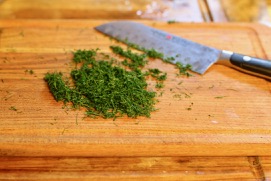
chopped dill

Using the large hole grater
grated squash

  • Prepare the spaghetti squash. Peel and grate through the larger holes of your cheese grater.
  • Soak in 2 tsp salt for 20 minutes. Squeeze water out. This step will make the squash less watery and taste better.
  • Chop the onion fine or you can grate too.
  • Have a 1/4 cup of cold water ready.
  • Sauté the onion with a pinch of salt in a little oil until translucent. When you can smell the aroma of the onion, add paprika powder and garlic, stir and after 1 minute add the cold water quickly that you set aside earlier. Stir.
  • Add the squash meat, stir and cover with water or stock.
  • Bring to a boil and then turn down to medium heat and cook covered for 30 minutes.
  • Also mix 1 Tbsp of flour with cold little water and add a little hot liquid from the dish. Whisk well and add it to the dish.
  • Bring the dish to a quick boil, cook for a few minutes and turn heat off.
  • Add vinegar, salt and pepper. Stir.
  • You can serve immediately but it will taste the best the next day.
  • Serve with chopped dill, a dab of sour cream and some protein (egg or beef dishes would go well). I served it with my Eggplant Parmesan dish. The bitter eggplants complemented this sweet and sour dish nicely.

Enjoy! Jó étvágyat!

Text, photos, recipe by twincitiesherbs.

Hungarian cucumber salad (uborkasalát)

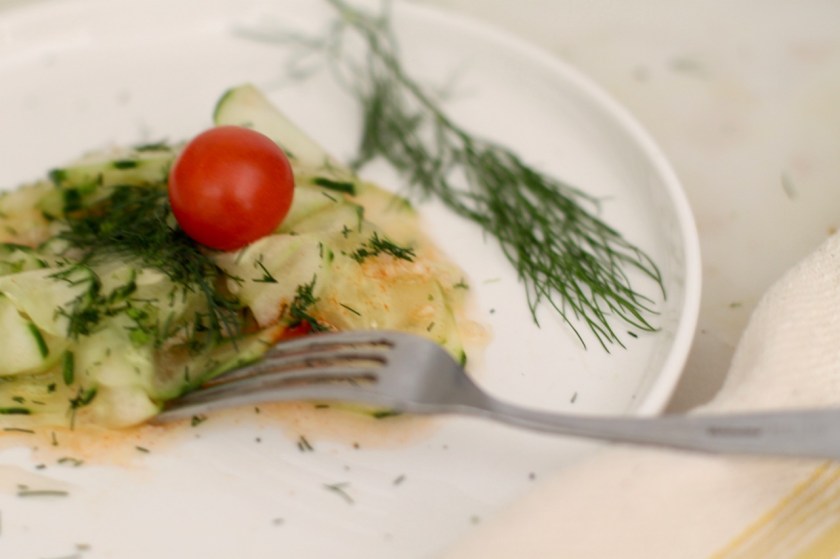
This simple salad has an unique flavor. It is prepared in a vinegar base with Hungarian paprika, garlic and dill and is macerated in the fridge overnight. It is usually eaten with meat or vegetarian main dishes.

Recipe

INGREDIENTS

  • 2 medium garden cucumbers with large seeds or 1 large slicing cucumber
  • 2 tsp salt
  • 1/8 cup vinegar + 1 cup water
  • 2 cloves garlic, crushed
  • a handful of dill, chopped
  • 1 Tbsp vegetable oil
  • 1 tsp sweet Hungarian paprika powder
  • pinch of sugar
  • 1 bunch scallions, optional

DIRECTIONS

  • Peel cucumbers. Traditionally cucumbers are peeled completely but I sometimes leave a little peel on.
  • Slice cucumbers very thin, you can use a potato slicer.
  • Place cucumber slices in a medium sized bowl.
  • Sprinkle with salt and mix well. Let the salt sit on the cucumbers and release their liquid for at least 15 – 20 minutes.
  • Squeeze out all the liquid with your hands. Discard this liquid. I like to wash the cucumbers with some cold water to get some of the salt off. (Salting helps remove water so the salad won’t taste watery).
  • Put the cucumber slices in a medium sized bowl. Add the garlic, chopped dill, oil, paprika, sugar and scallions. Adjust water, vinegar, salt, garlic to taste.
  • Put the salad in the refrigerator and leave it macerate overnight.
  • Serve it cold or at room temperature.

enjoy!

Recipe, photo by twincitiesherbs.

Kitchari recipe

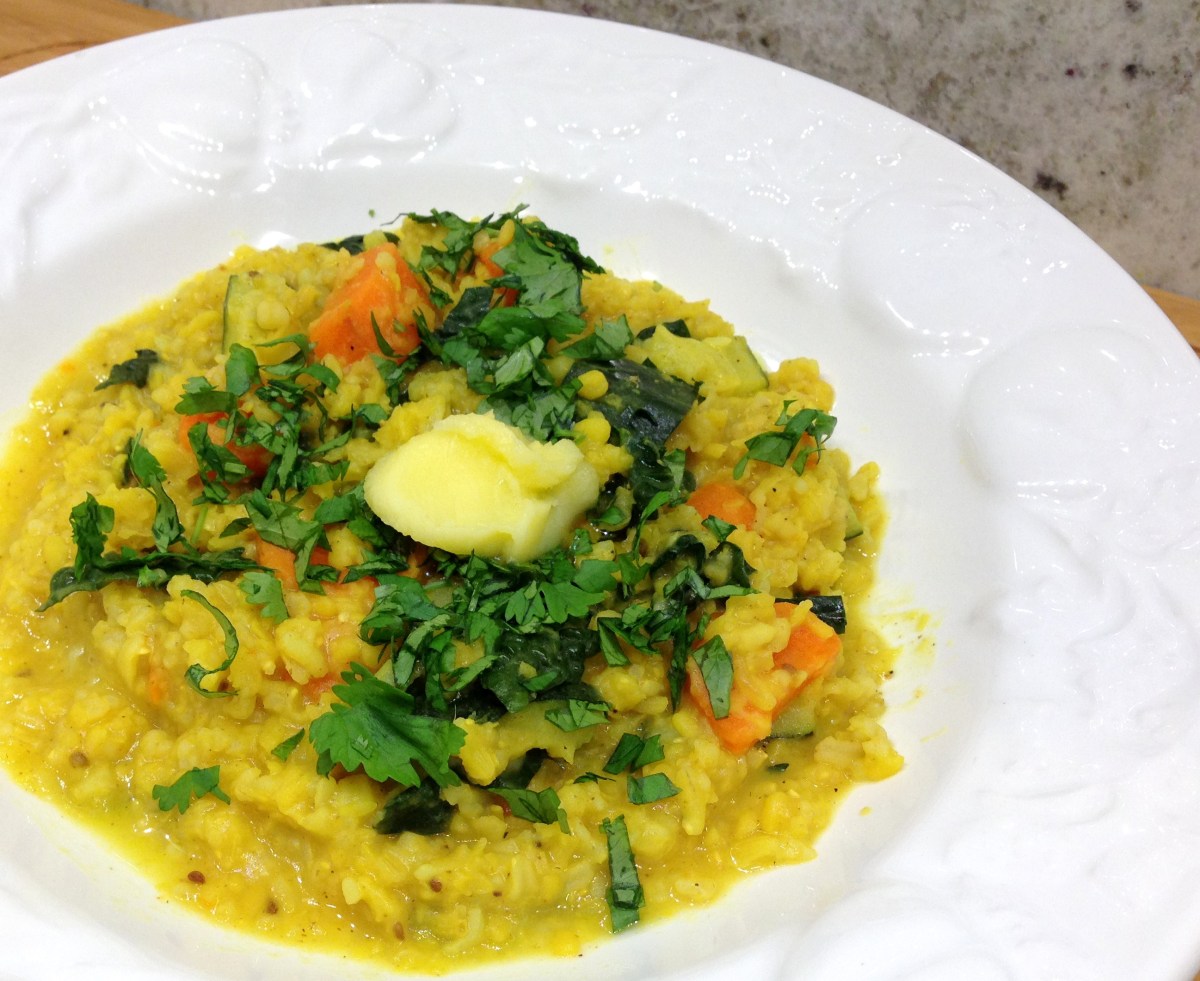
Kitchari! A nourishing vegetarian dish to make in the winter or the summer … whenever you are looking for something easy to digest.

Now that the holidays are over, our bodies want to have a little break from all the rich, heavy foods. However, spring isn’t here yet so we can’t eat all the lovely seasonal vegetables. In fact, spring is nowhere in site, just the past week it was -40F here in the Midwest. Even if the prediction of the groundhog is correct, spring won’t start until April here. Many people start dieting now, removing nourishing foods from their diet but most fail because it is just too early.  So what can we do?  

I like to turn to the ancient Ayurveda cooking, in other words Indian cuisine! Most people associate Indian foods with something exotic. Yes, some of their dishes can be foreign to us, but their nourishing dish, the Kitchari can be made any time, anywhere and surely by anybody.  Really, Indians make it on a regular basis, serve it during holidays with the rich foods to help their digestion and even give it to sick people to recover from an illness. It is an inexpensive dish that millions eat on a daily basis in India. I asked my Ayurveda teacher if we could eat it during the cold season. She said yes even when it is -40F – just add the warming spices like ginger, cumin, and hot pepper. You can serve local vegetables like carrots, spinach, kale, cauliflower, onions etc. Of course, it would go nicely with some Indian rice and roti. 

This is a very healthy dish. Usually, Ayurveda practitioners advice their clients to eat kitchari if they have any acute or chronic issues. It just does amazing things… The three spices turmeric, cumin, coriander are used along with the mung beans. The kitchari diet should last for 1 week when one is only allowed to eat kitchari, rice, grains and vegetables. Of course all the fried foods, fried vegetables, paneer have to be left out. Mung beans are used but if you can get the yellow split moong beans, they are even better as they are easier to digest.

Recipe

Kitchari Ingredients
  • 2 tsp of ghee (I use home-made)
  • 1 tsp turmeric powder
  • 1 tsp of coriander powder
  • 1/2 tsp of cumin powder
  • 1 tsp of whole cumin seeds
  • 1 cup of split mung dal (yellow) – soak for at least 4 hours
  • ½ tsp salt
  • about 4 cups of water or chicken stock
  • 1 inch of fresh minced ginger root, finally chopped
  • black pepper
  • cilantro to taste
  • yogurt
  • lemon
Indian rice Ingredients
  • 1 cups of white Basmati rice
  • 2 cups of water or meat stock
  • 2 tsp ghee (homemade the best)
  • 1 tsp cumin seeds
  • little piece of cinnamon
  • pinch of  saffron (8-10 strings)
  • 1/2 tsp salt
  • ¼ tsp little turmeric

Preparations
  • Clean and soak mung beans overnight but soak at least for 2 hours.
  • Discard water and use fresh cold water to cook the beans. Cook for 1 hour.
  • Making the gravy. Saute the onions on medium high heat. When you smell the nice aroma of the onion, add the ginger, cumin seeds stir and cook for about 5 minutes.
  • Add the garlic and the powders (turmeric, cumin, coriander), stir for 1 minute.
  • Add 1/4 cup of cold stock or water. Stir.
  • Add 1 cup chopped tomato and cook for about 5-10 minutes until it becomes saucy.
  • Add chopped carrots and other vegetables.
  • Bring to a boil, turn down and cook for 30 minutes.
  • Add in the cooked mung beans and cook for 15 more minutes or until done.
  • Add salt and pepper to taste.
  • Serve with rice, roti, cilantro and lemon.

Indians cook the dish with the rice. I personally like to serve the rice on the side and prepare separate.

Enjoy!